
What types of courts can be resurfaced by a Spokane concrete contractor?
Our crews stay busy all year in Spokane Valley. Three types of courts keep us on the go. Tennis courts, basketball courts, and pickleball courts. Every one gets hammered by our brutal freeze-thaw cycles, sun, and heavy foot traffic. But concrete resurfacing works wonders when cracks or flaking start.
Tennis Courts
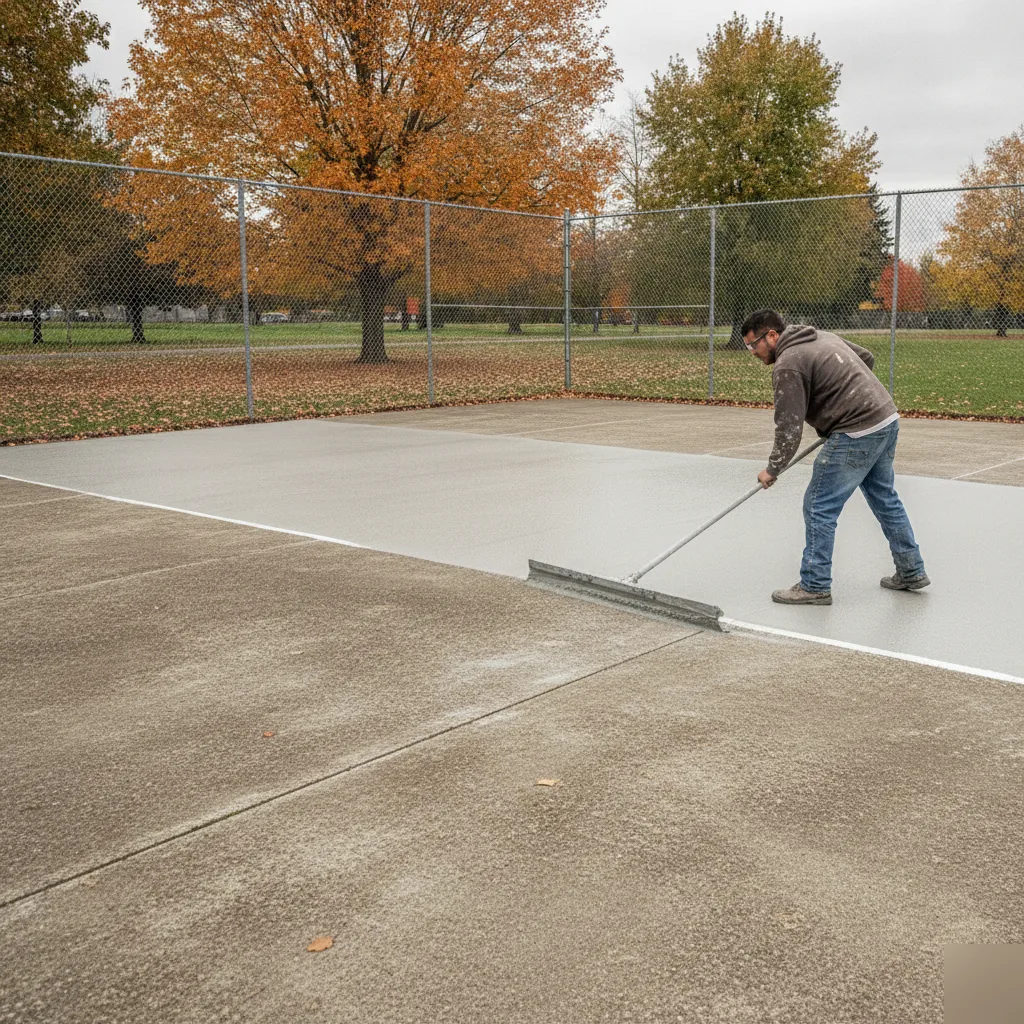
Tennis courts need a smooth, even surface. Even small cracks mess up how the ball bounces. After a few Spokane winters, water sneaks into hairline fractures. It freezes, pushes, then thaws, leaving behind rough spots and spider-web cracking., this is the part most people overlook until it's too late. We see this nonstop on residential courts out near the Sullivan Road corridor. A concrete contractor in Spokane can grind down that worn layer. Then we apply a resurfacing overlay. It brings the court right back to play. You get a slick, sealed surface. It handles our wild temperature swings a lot better than the original pour ever did.
Basketball Courts
Basketball courts take a different kind of beating. Hard impacts from running and jumping. Constant pivoting. Thousands of ball bounces in the same spots. Outdoor courts here in Spokane Valley deal with all that. And then there's ice, snow, and deicing salt goo. The concrete gets pitted, turns rough. No one's ankles appreciate that. We've noticed this causes a lot of minor injuries.
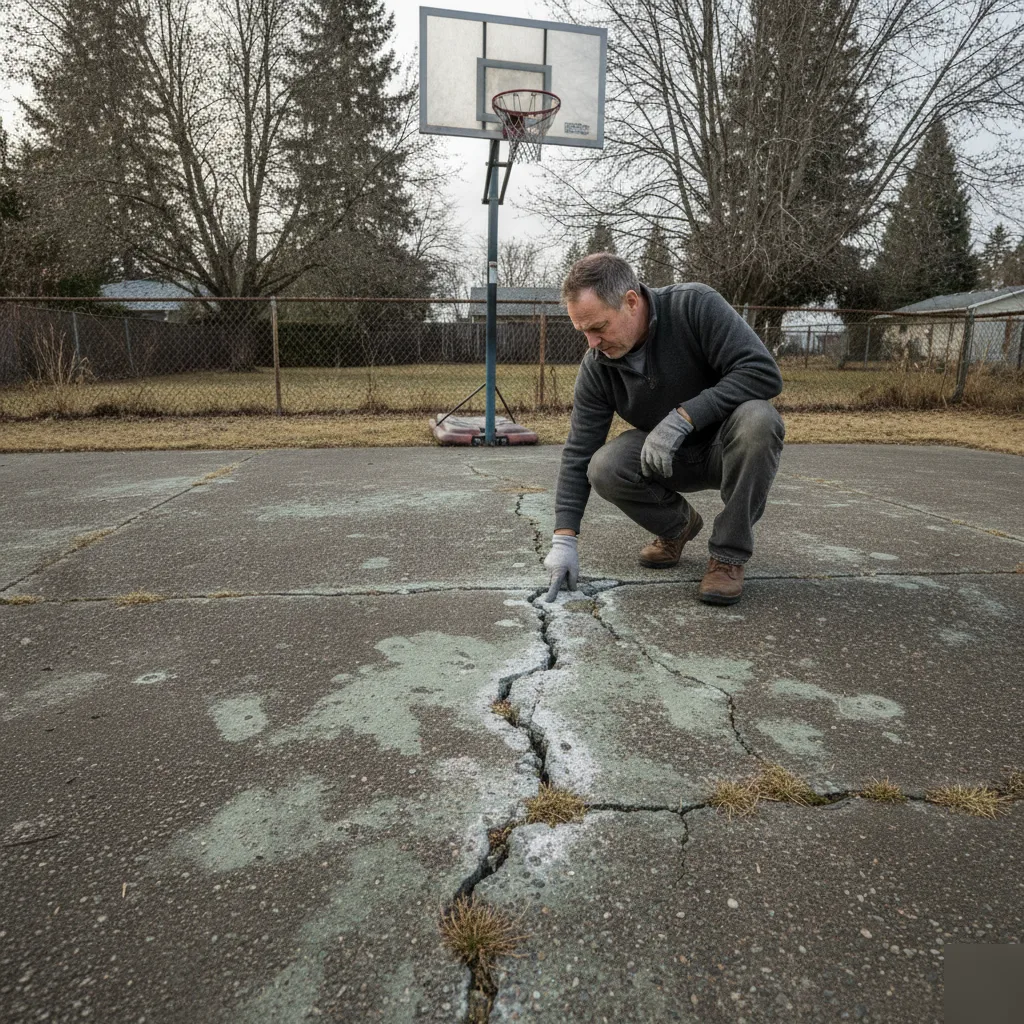
Resurfaced concrete fixes the problem. No need to rip out the whole slab. A professional concrete contractor takes off the damaged top layer. Any deep cracks get filled with our concrete crack repair methods. Then a fresh surface coat goes down. Most folks don't get this until it's too late, but ignoring surface damage on a basketball court turns a small fix into a full replacement job. Catching it early saves real money. It saves a lot of headaches, too.
Pickleball Courts
Pickleball just keeps growing. The Sports and Fitness Industry Association reported over 48 million players in the U.S. in 2023. This means more courts going up, and more existing courts needing resurfacing. Spokane Valley parks, places like the ones near Dishman Hills, community centers, and private homes are all adding pickleball lines or converting old tennis courts. It’s a boom.
Pickleball courts are smaller than tennis courts. Their surface needs are just as strict. Players gotta have good footing. The ball needs a true bounce. Cracked or uneven concrete ruins both. Resurfacing gives these courts a fresh start. All without the big cost or downtime of a full tear-out.
What All Three Have in Common
From our side, here’s what ties these courts together:
- They all need a level, crack-free surface for safe play.
- Spokane's brutal freeze-thaw cycles damage all three in similar ways.
- Resurfaced concrete overlays add years to the existing slab's life.
- We can add color and line markings during resurfacing.
We've put in 11 years on concrete surfaces across Spokane Valley. Court projects are some of the most satisfying jobs. The change is obvious the second you step on them. A rough, cracked court goes smooth. It's ready for action in a few days. And that’s a good feeling for everyone involved.
But not every court is right for resurfacing. If the base slab has shifted or settled bad, resurfacing alone won't do it. That’s something a local concrete contractor needs to check out on-site. Before any work starts. If you’re wondering if your court qualifies, our resurfaced concrete page lays out the full process. You’ll see what to expect.
Multi-Use and Recreational Slabs Can Also Be Resurfaced With the Right Coating
Not every outdoor slab fits a neat category. Some Spokane Valley homeowners have a big concrete pad behind the garage. It’s a basketball court in summer, a parking spot in winter. Community centers along the Sullivan Road corridor use flat slabs for everything. Shuffleboard, outdoor yoga, you name it. These multi-use surfaces take a beating. They need a resurfacing approach that handles it all.
A professional concrete contractor can resurface these slabs. Just like a dedicated sport court. The big thing is picking the right coating for mixed activity.
What Counts as a Multi-Use Slab
You'd be surprised how many properties have one. We’ve resurfaced concrete pads that pull triple duty depending on the season. Here are the common setups we see:
- Backyard slabs for basketball, bike riding, and general play.
- Church or school pads for games, gatherings, and parking overflow.
- HOA common areas with painted game lines for multiple sports.
- Residential patios that turn into practice courts for kids.
Every one of these surfaces gets foot traffic. Wheeled equipment hits it. UV exposure beats it down. And then there are Spokane’s freeze-thaw cycles. That’s a lot of stress on bare concrete. Without proper resurfacing, cracks just spread when winter rolls around.
Coatings That Handle Mixed Activity
The wrong coating peels. I’ve seen homeowners just roll on some floor paint. It flakes off after one winter. Multi-use slabs need a coating that sticks to the concrete. It needs to flex with temperature swings. Spokane Valley can see a 30-degree swing in a single spring day. That expansion and contraction destroys coatings. That’s just a fact of living here.
Epoxy floor coating works for enclosed or semi-covered slabs. For fully exposed outdoor pads, acrylic resurfacing compounds handle UV and moisture better. And for slabs that get heavy foot traffic plus rolling loads, think scooters or bikes, a textured overlay adds grip. It isn’t rough on skin. But the concrete contractor services you pick matter a lot.
The right concrete contractor services include prep work. Most people skip this stuff. Grinding the surface down. Filling cracks with proper concrete crack repair materials. Priming before the topcoat goes down. Skip any of those steps, and that coating won't last a year.
Real-World Example From a Local Project
We resurfaced a 30-by-40 slab for a family near Greenacres. They wanted basketball lines. A small four-square area for the kids. And it needed to be durable enough to park a trailer on during off-season. The existing concrete had spider cracks covering about 40 percent of it. It looked rough.
We ground it down first. Did concrete crack repair on every fissure we found. Applied a bonding agent. Then we put down two coats of textured resurfacing compound. The whole slab looked brand new. But more important, it laughed at the next two winters. Not a single peel or pop. That’s 11 years of knowing what works in this climate. And what doesn’t.
Most people don’t realize a multi-use slab can look and perform just as well as a dedicated sport court. It just takes the right prep. And the right material. But you gotta use a pro.
So if you've got a concrete pad that does double or triple duty, don't write it off. A local concrete contractor who understands resurfaced concrete can bring it back. It will hold up through everything Spokane throws at it. Check out our resurfacing services. See what’s possible for your slab. You might be surprised.
Spokane Valley's Freeze-Thaw Climate Makes Court Resurfacing Both More Necessary and More Time-Sensitive
Most people don't truly grasp how brutal Spokane Valley winters are on outdoor concrete. We’re not talking about normal wear and tear. We’re talking about water getting into tiny cracks. Freezing solid overnight. Expanding. Then thawing the next afternoon. That cycle repeats dozens of times every winter. The National Weather Service says Spokane averages over 100 freeze-thaw cycles each year, by the way. Every single one chips away at your court surface. It’s relentless.
Here’s how that plays out in real life. A basketball court near the Sullivan Road corridor might show hairline cracks in October. By March, those cracks are a quarter-inch wide. The edges start flaking off. The surface gets rough, uneven. Players trip. The ball bounces unpredictably. And if you wait another season, you’re not looking at a simple resurfacing. You’re facing a much bigger concrete repair job. Trust me, it happens too often.
Why Timing Matters More Here Than Other Regions
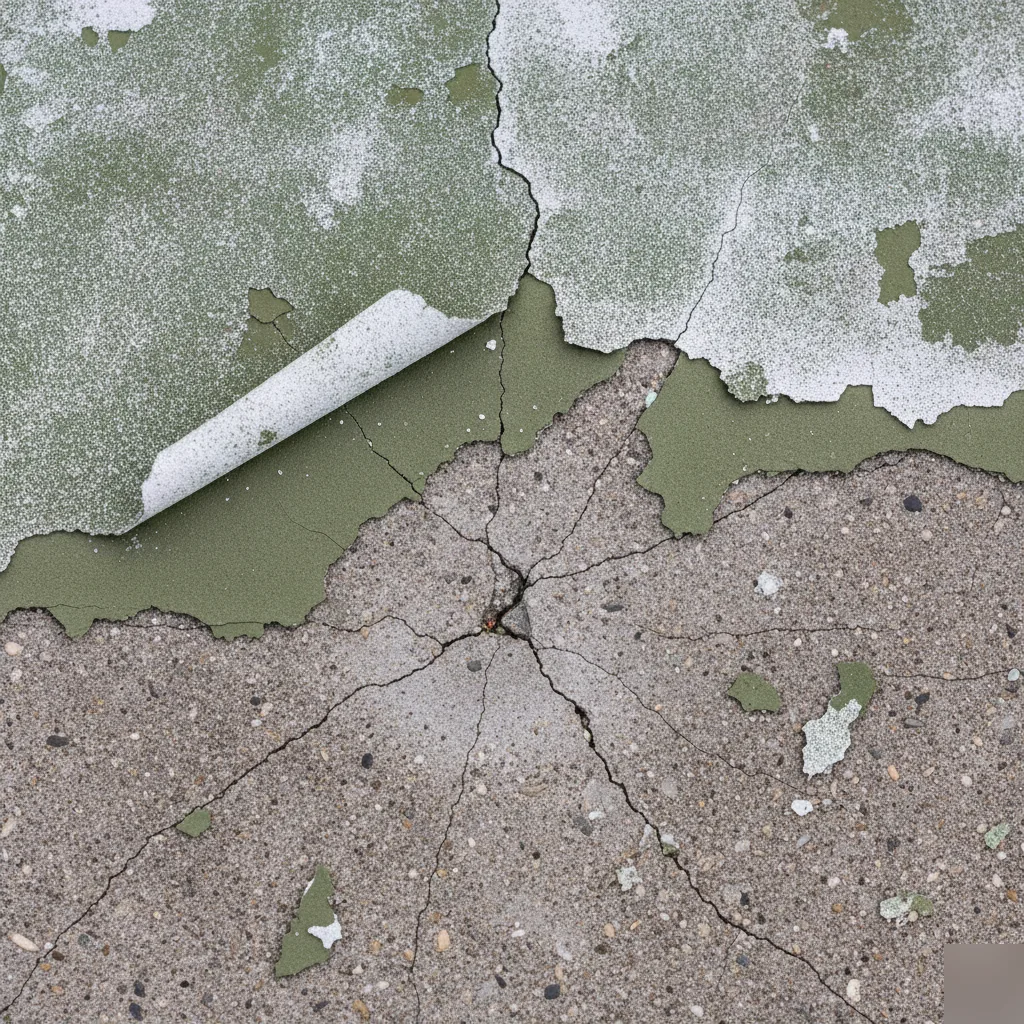
In warmer places, a court with minor surface damage can sit for a year or two. No big deal. Not here. Spokane Valley’s temperature swings punish folks who drag their feet. Water gets into every little imperfection. It freezes. It makes things worse. What starts as cosmetic damage quickly becomes structural damage. You’ll be replacing, not repairing.
The time for court resurfacing in our area? Late spring through early fall. Ground temperatures need to stay above 50 degrees. That’s for proper curing. So you’ve got roughly May through September. Depends on the year. Miss that window, and you’re waiting until next season. All while the damage gets worse through another brutal winter., you're just asking for trouble.
We’ve seen tennis courts in Spokane Valley go from “needs resurfacing” to “needs full demolition and replacement” in just two winters. That’s not an exaggeration, it’s what happens. The freeze-thaw cycle is that aggressive on neglected concrete surfaces.
Signs Your Court Can't Wait
Not sure if your court needs attention now? Or can it hold off? Look for these warning signs before winter hits:
- Surface spalling where the top layer peels off in patches.
- Cracks wider than a credit card edge, especially near joints.
- Low spots where water pools after rain instead of draining.
- Rough texture that catches shoes or messes with ball bounce.
Any one of those issues will get worse over winter. Two or more means you need to talk to a concrete contractor in Spokane. Before the first hard freeze. Don’t delay.
If you’ve got a court showing early damage, the smart move is getting it assessed during the warm months. A professional concrete contractor can tell you if resurfaced concrete will fix it. Or if concrete crack repair needs to happen first. Either way, acting before November saves you money. It extends your court’s life by years. Spokane Valley’s climate isn’t getting any gentler. But a properly resurfaced court can handle those freeze-thaw cycles. If the work is done right, and done on time. If you’re curious about what resurfacing involves for your specific court type, check out our concrete contractor services page. It has a full breakdown. And a free estimate, of course.
Frequently Asked Questions
Can a concrete contractor resurface a court that has deep cracks, not just surface ones?
It depends on how deep and widespread the damage is. Surface cracks and shallow fractures can be filled and resurfaced successfully. But if the base slab has shifted or settled badly, resurfacing alone won't hold. A contractor needs to inspect the slab in person before any work begins. Catching damage early is the key. Small cracks are fixable. A slab that has moved or broken apart underneath usually needs more than a fresh coat on top.
How does Spokane Valley's climate affect how often a court needs resurfacing?
Spokane Valley's freeze-thaw cycles are hard on outdoor concrete. Water gets into small cracks, freezes, expands, then thaws. That cycle pushes cracks wider every winter. Spring can bring a 30-degree temperature swing in a single day. That kind of expansion and contraction breaks down coatings and surface layers faster than in milder climates. Courts here typically show wear sooner than courts in warmer regions. Staying ahead of surface damage before winter hits makes a big difference.
What's a common mistake people make when trying to fix a cracked court surface themselves?
The most common mistake is rolling on regular floor paint and skipping the prep work. It looks fine at first. Then one Spokane winter hits and it flakes right off. Proper resurfacing means grinding the surface down, filling cracks with the right concrete crack repair material, and priming before any topcoat goes down. Skipping those steps means the coating won't bond. You end up with peeling, slipping hazards, and the same cracks reopening fast. A quick fix usually turns into a bigger repair job.
What's the difference between resurfacing a tennis court and a pickleball court?
The process is similar, but the court size and line layout are different. Tennis courts are larger and need a very smooth, even surface for consistent ball bounce. Pickleball courts are smaller, but the surface standards are just as strict. Players need solid footing and a true bounce on both. During resurfacing, a contractor can apply the right color coating and paint fresh boundary lines for whichever sport the court is built for.
Is a backyard concrete slab the same as a sport court, or does it need different resurfacing?
A backyard slab can absolutely be resurfaced like a sport court. Many Spokane Valley homeowners use the same pad for basketball, bike riding, and general play depending on the season. The coating choice matters more on a multi-use slab. Outdoor slabs exposed to UV and moisture do better with acrylic resurfacing compounds. Slabs that also take rolling loads, like scooters or bikes, benefit from a textured overlay for grip. The prep work underneath, grinding, crack repair, and priming, stays the same no matter the surface type.
How do I know if my court needs resurfacing or a full concrete replacement?
Resurfacing works when the base slab is still solid and stable. If you see surface cracks, rough patches, or flaking, resurfacing is usually enough. If sections of the slab have shifted, sunk, or broken apart at the base, a full replacement may be needed. You can't always tell just by looking at the top. That's why an on-site inspection matters before any work starts. For a full breakdown of what the resurfacing process looks like, the concrete contractor services parent page walks through each step in detail.
Ready to Experience the Concrete Revival Difference?
Complete Service Area Coverage
- Spokane and Spokane Valley
- Coeur d'Alene metro area
- Deer Park and Newport
- Liberty Lake and Otis Orchards
- Cheney and Medical Lake
- Post Falls and Rathdrum