Sports Court Surfacing in Spokane: Built for Freeze-Thaw, Built to Last
Outdoor courts in Spokane take a beating. Hard winters crack surfaces. Dry summers fade coatings. We handle new court surface installation, resurfacing, and crack repair for tennis, pickleball, and basketball courts. Every project starts with a site assessment. Most work is scheduled spring through early fall. As a concrete contractor, we prep the base correctly before any surface goes down.
How to Tell When a Spokane Sports Court Needs Resurfacing
Cracks, standing water, and uneven bounce are early warning signs. Homeowners and facility managers in Spokane should watch for these before small problems become big ones. Catching damage early prevents base failure and far more costly reconstruction.
Spokane's freeze-thaw cycles are hard on court surfaces. Water works into small cracks each winter, expands when it freezes, and widens the damage by spring. Once cracking begins, surface wear accelerates fast.
Courts in the South Hill area show some of the most common aging patterns we see. Older residential courts there often have surface cracking that looks minor but has already allowed water to reach the base. A quick assessment tells you whether resurfacing is enough or if more work is needed.
Signs your court may need attention:
- Visible cracks wider than a hairline
- Water pooling after rain or snowmelt
- Faded or peeling color coat
- Uneven or dead spots affecting ball bounce
- Line markings that are no longer visible
Choosing the Right Surface Material for Outdoor Courts in Spokane
Not every coating works the same way on every court. The right surface depends on the sport, the players, and the conditions the court faces. Matching surface hardness and texture to your use reduces injury risk and improves playability for everyone on the court.
Spokane sits in a high-desert climate. UV intensity here is stronger than in wetter parts of the Pacific Northwest. That sun exposure fades and dries out coatings faster, so UV-stable products matter more than they might elsewhere.
Common outdoor court surface options include:
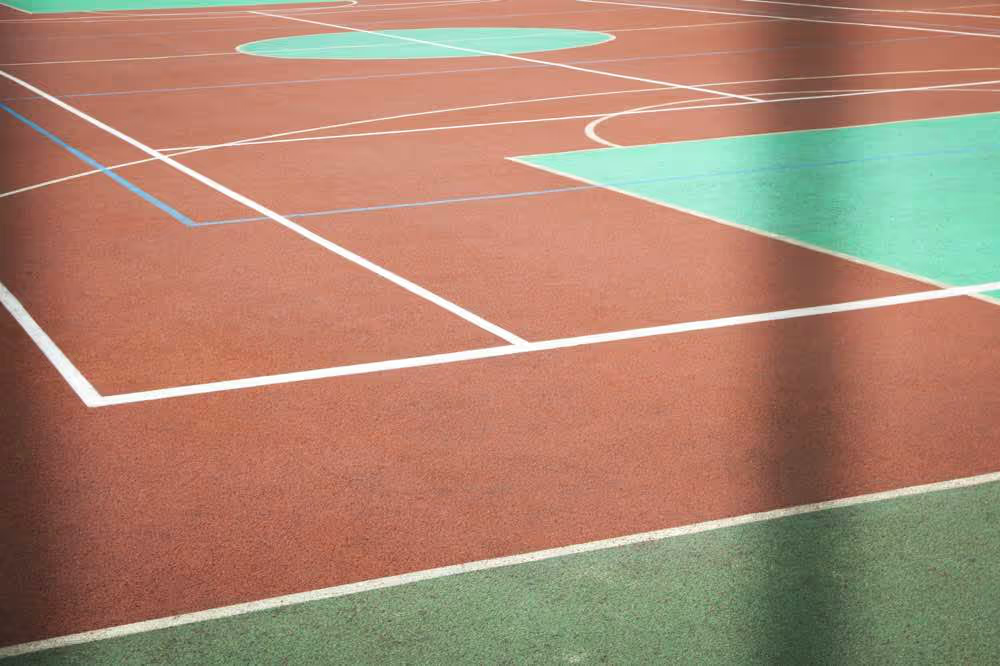
- Acrylic coatings — durable, low-maintenance, available in cushioned or hard finishes; good for tennis and pickleball
- Cushioned surfaces — layered systems that reduce joint stress; popular for older players or high-use courts
- Multi-sport coatings — designed for courts used for basketball, pickleball, and tennis on the same surface
We help you match the right product to your sport, your players, and Spokane's climate before any coating goes down.
What to Expect During Sports Court Surface Installation
Building a new court in Spokane means understanding the full sequence before work begins. First-time court builders often underestimate how many steps happen before the color coat goes down. Knowing the process sets accurate timeline expectations and prevents surprises.
The installation sequence runs in this order:
- Base pour — concrete slab installed and graded for drainage
- Curing period — concrete must fully cure before any coating is applied
- Crack fill and prep — any surface imperfections addressed before coating
- Color coat application — surface coating applied in multiple passes
- Line striping — court lines marked to sport-specific dimensions
Scheduling matters in Spokane. The spring shoulder season is short, and overnight temperatures in April and October can drop low enough to affect concrete curing. As a local concrete contractor, we plan project timelines around those windows to avoid coating failures caused by cold nights.
Community court installations in the North Side and Hillyard area follow the same sequence. Public courts there often involve additional coordination around park access and existing drainage infrastructure.
How the Resurfacing Process Works on an Existing Court
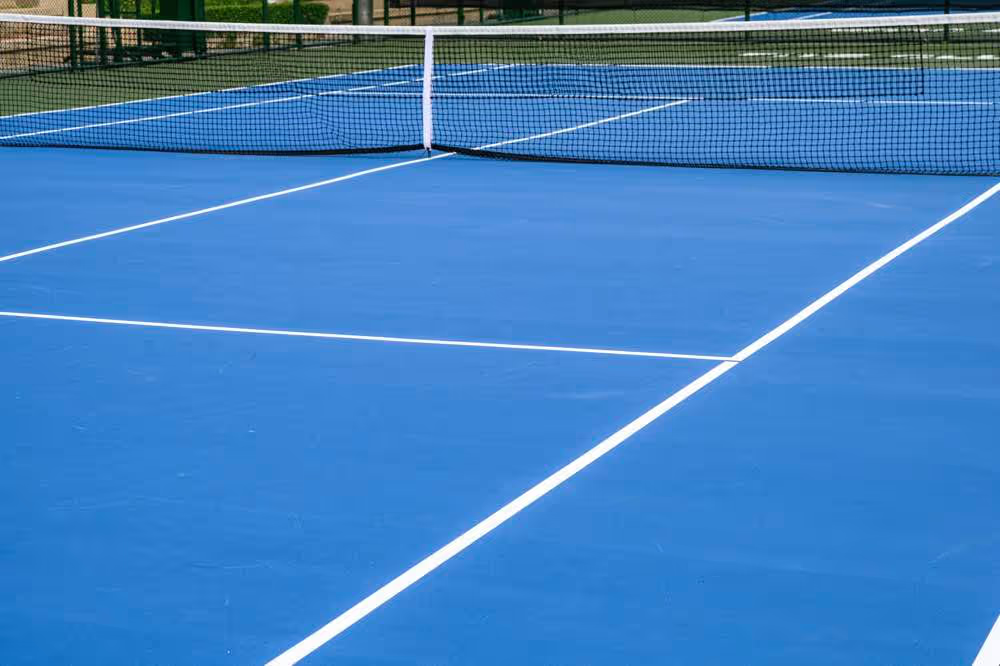
Resurfacing extends the life of a court without tearing everything out. Tennis and pickleball players in Spokane with visible surface wear but a sound base are good candidates. It causes less disruption than full reconstruction and gets your court back in play faster.
The process starts with a base evaluation. Volcanic ash soil is common throughout Eastern Washington. Over time, it can shift sub-bases and create stability problems beneath the surface. We check base integrity before any overlay work begins.
If the base is sound, resurfacing follows this sequence:
- Clean and prepare the existing surface
- Fill and repair cracks in the base layer
- Apply resurfacing compound to level the court
- Install color coat in the specified finish
- Re-stripe all court lines
Skipping the base evaluation is where resurfacing projects fail. A new surface over a compromised base will crack again quickly. We assess first so the work lasts.
How to Verify Your New Court Surface Is Ready for Play
A finished court is not always a ready court. Cure time matters, and rushing it causes premature wear and surface damage. Before you schedule your first game, a post-installation walkthrough confirms everything is set.
Spokane's dry summer heat speeds up surface drying, but it can also cause flash-cure problems. When the top layer dries faster than the layers beneath it, bonding weakens. Your contractor should confirm actual cure time based on conditions during your specific installation window.
During a walkthrough, look for:
- Consistent color coat with no thin or missed areas
- Clean, accurate line striping with correct sport dimensions
- No soft spots, bubbling, or surface separation
- Proper drainage slope away from the court surface
Courts in the Perry District and Browne's Addition often have limited sun exposure due to surrounding structures and mature trees. Shaded urban courts take longer to cure. We account for that before signing off on any installation in those areas.
Protecting Spokane Sports Court Surfaces Between Seasons
A little maintenance between seasons goes a long way. Court owners who stay on top of simple seasonal habits extend surface life significantly. Neglecting a court through a Spokane winter is one of the fastest ways to shorten it.
Before winter sets in, check drainage around the court perimeter. Standing water that freezes on or near the surface works into the coating and causes cracking. Clear debris from the surface and inspect for any new cracks that need sealing before temperatures drop.
When snow removal is needed, tool choice matters:
- Use rubber or plastic snow removal tools only
- Never use metal shovels or scrapers on acrylic court surfaces
- Avoid ice-melt chemicals — they degrade surface bonding and accelerate coating breakdown
When courts reopen after snowmelt, walk the surface before play begins. Look for new cracking, frost heave, or areas where the coating has lifted. Catching those early means a repair, not a full resurface.
Frequently Asked Questions About
Sports Court Surfacing in Spokane
How do I know if my Spokane court needs resurfacing or full replacement?
Base integrity is the deciding factor when determining whether your Spokane court needs resurfacing or full reconstruction.
Surface cracks alone typically indicate resurfacing is sufficient, but if the base shows heaving, significant drainage failure, or structural movement, full reconstruction may be the right call. A professional site assessment of your Spokane sports court gives you a definitive answer before any work or budget is committed.
What time of year is best to schedule sports court surfacing in Spokane?
Late spring through early fall is the ideal window for sports court resurfacing in Spokane, when overnight temperatures consistently stay above 50°F.
Coatings applied outside that temperature range risk bonding failures that significantly shorten surface life. Scheduling your Spokane court resurfacing project during the warmer months ensures proper curing and a longer-lasting result.
What happens during a sports court surface assessment in Spokane?
During a sports court assessment in Spokane, a contractor inspects the base for cracking, drainage problems, and frost heave to determine whether crack repair, resurfacing, or full reconstruction is needed.
You receive a clear picture of your court's condition and the recommended path forward before any work begins or costs are committed. No guesswork — just a straightforward evaluation from an experienced Spokane court resurfacing professional.
What types of courts can be resurfaced by a Spokane concrete contractor?
Tennis, pickleball, basketball, and multi-sport courts built on concrete or asphalt bases are all candidates for sports court resurfacing in Spokane.
The base material and its current condition determine which resurfacing approach is the right fit. A qualified Spokane concrete contractor will evaluate both factors before recommending a specific surface system.
How long does a resurfaced outdoor court last in Spokane's climate?
Lifespan varies based on base condition, surface type, and seasonal maintenance, but freeze-thaw cycles are the primary driver of wear on resurfaced courts in Spokane.
Courts that receive regular inspections and off-season preparation consistently outlast those left unattended through winter. Proper maintenance after your Spokane sports court resurfacing is the single biggest factor in maximizing surface life.
Can a pickleball court be added to an existing tennis court surface in Spokane?
Yes — adding pickleball lines to an existing tennis court surface in Spokane is a straightforward conversion that can be completed as part of a resurfacing project.
A contractor evaluates the current surface condition first, then handles accurate line striping to dual-sport specifications. It's one of the most cost-effective ways to expand court use without a full rebuild.
Same-Week Response Guarantee
Serving All of Greater Spokane
- Spokane and Spokane Valley
- Coeur d'Alene metro area
- Deer Park and Newport
- Liberty Lake and Otis Orchards
- Cheney and Medical Lake
- Post Falls and Rathdrum
Two Easy Ways to Get Started
Text for Quick Response Send us photos of your driveway damage to (509) 608-3211 and we can often provide preliminary recommendations and ballpark pricing within hours.