
What time of year is best to schedule sports court surfacing in Spokane?
Spokane Valley challenges concrete. We see brutal winters, temps below zero. Summers can bake at triple digits. Those freeze-thaw cycles from October to March? They wreck any sports court surface around here.
That temperature swing matters.
Sports court surfacing needs precise conditions to cure. The coatings won't stick if the ground is too cold, or if it's too wet. Most acrylic systems need air and surface temps over 50°F for at least a full day after we put them down. The American Sports Builders Association says coatings put on too cold delaminate, sometimes in the first year.
Here in Spokane Valley, we get a real window. It usually starts late April or early May, depends on the year. It shuts down by mid-October. That’s five or six months of working weather. But not all months are the same.
Why Spring and Fall Are Tricky
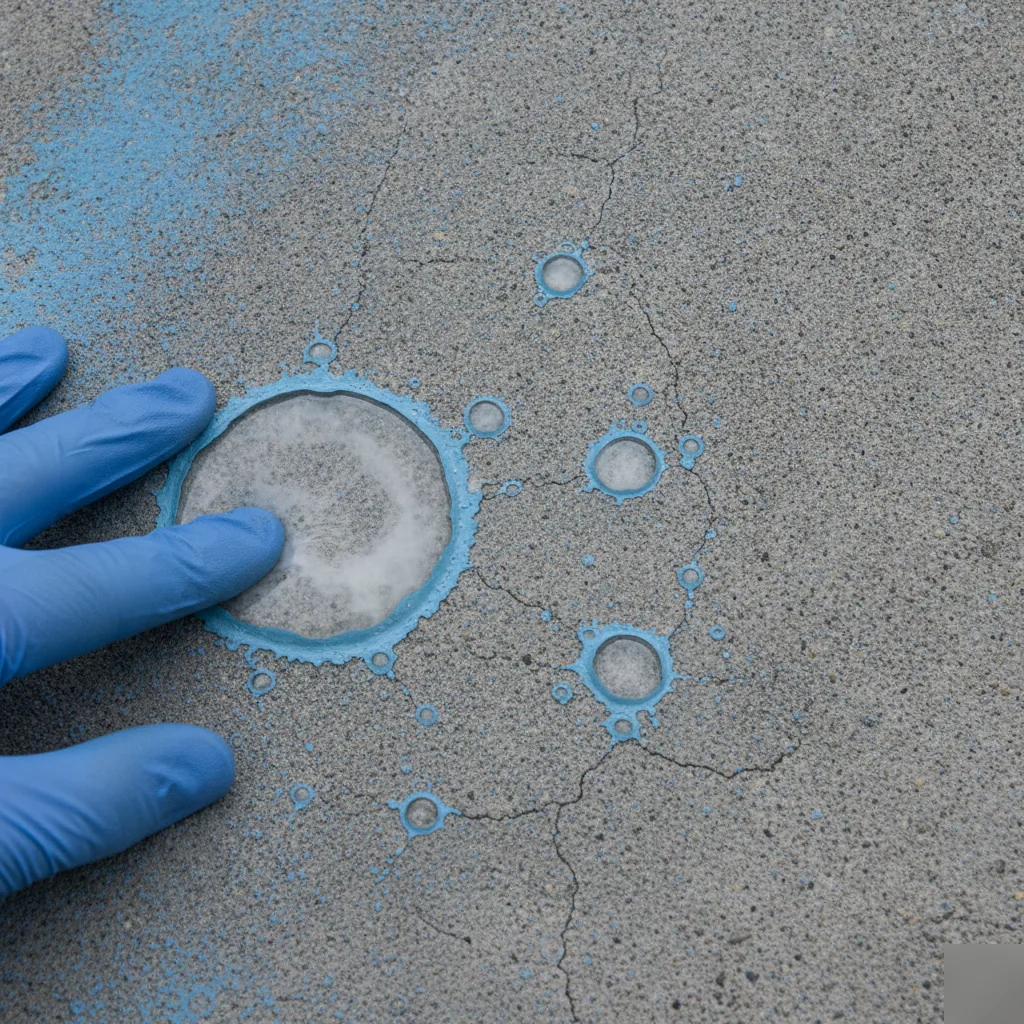
Spring feels right. Snow melts, days stretch out. But ground moisture hits its peak in March and April across the Valley floor, and neighborhoods like Liberty Lake, too. Concrete slabs soak it up. You can’t always see the dampness. Put sports court surfacing over a wet slab, and you get bubbles, then peeling.
Fall brings different headaches. September generally works. October's a real gamble. We've seen jobs out near Greenacres and Opportunity get pushed back by early frost (nobody sees that coming). Nighttime temps below 40°F, you're just hoping the cure holds.
The Sweet Spot: Late May Through September
We've been doing concrete work here for 11 years. The pattern for sports court surfacing is plain. Late May through September offers the most dependable window. Here's why that stretch works so well in Spokane Valley:
- Snowmelt moisture is gone by late May.
- Daytime highs reliably stay over 65°F. Coatings cure perfectly.
- Nights rarely dip under 50°F, June to August.
- Less humidity helps drying. It makes for a stronger bond.
June and July are prime. No argument there. But every contractor in the Valley is slammed then. So, if you're planning sports court surfacing, book in late winter or early spring. Get that summer install locked in. It’s just smart.
We see this too often, someone calls in July. They want a court done by August. Our schedule, and everyone else's, is full. They push it to October. They hope the weather hangs on. Sometimes it does, sometimes they pay for concrete repair the next spring because the coating just didn't cure before that first hard freeze hit.
Spokane Valley weather gives no breaks. Its freeze-thaw cycles punish shortcuts. A court surface done right lasts years. Put it down too late? It might not even survive one winter. If you're thinking about a project, visit our concrete contractor services page. We'll help lock in a timeline that works with our weather, not against it.
The calendar matters as much as the materials, plain and simple.
Temperature and Weather Conditions Determine Whether a Surface Will Cure Properly
Here's a common oversight, it usually hits people too late. Sports court surfacing isn't just painting. The material needs specific conditions to bond, to harden, and to stand up to play. Mess up the temperature? You’ll see peeling, bubbles, or a surface that falls apart after one Spokane Valley winter.
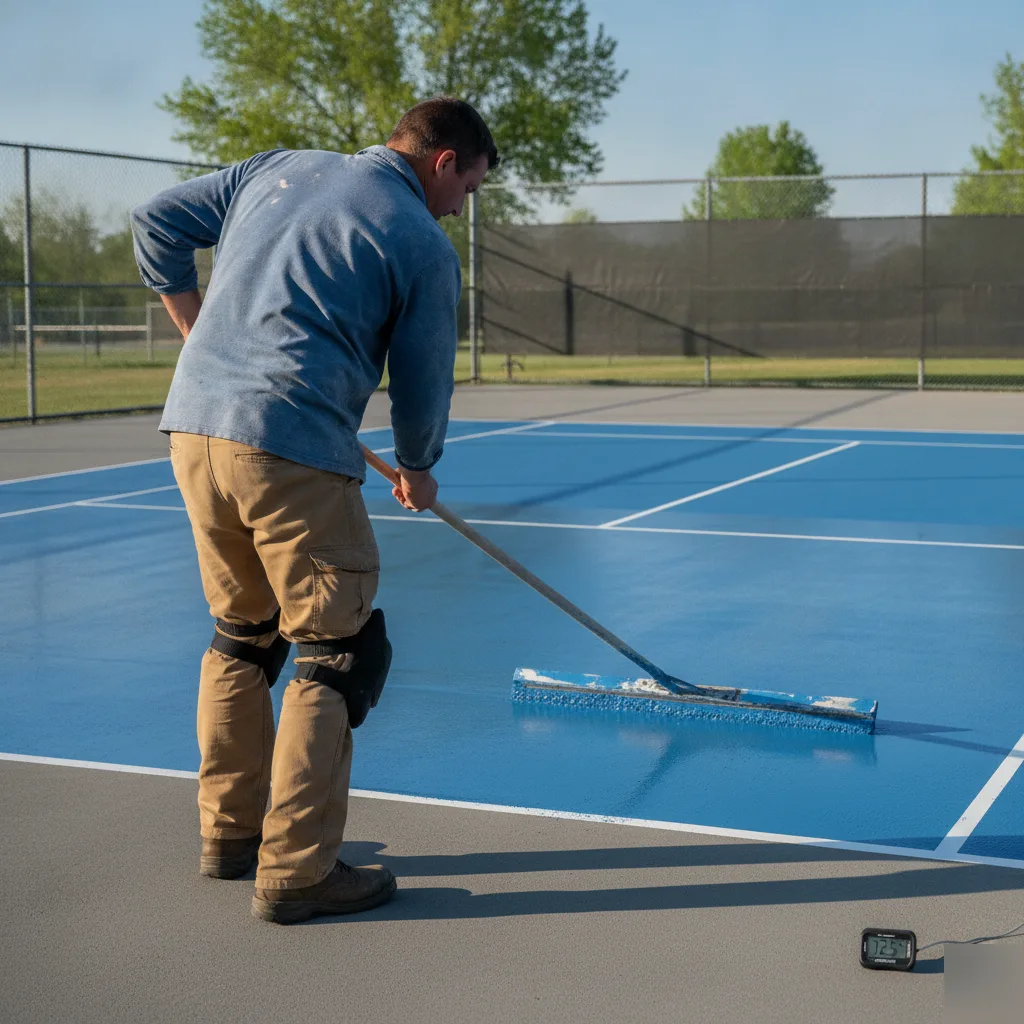
Most acrylic surfaces want air temps from 50°F to 85°F to cure. And the concrete surface temp matters just as much. Slab too cold? No bond. Too hot? It dries too to level. That's a tight window for us.
Why Spokane Valley's Climate Makes Timing Critical
Spokane Valley has wild temperature swings. The National Weather Service for Spokane shows average lows in the teens, December to February. Nights can freeze as early as October and late as April. This matters. Fresh surfacing can't take a freeze within 24 to 48 hours.
We've seen jobs go bad. Someone tries to squeeze in sports court surfacing on a warm October afternoon. It hits 60°F at 2 p.m., fine. But by 10 p.m., it's 34°F. The coating isn't cured. You’ve got micro-cracking before a single ball bounces.
Summer has its own headaches. July and August can blast past 95°F in the Valley's lower spots, like the Sullivan Road corridor. Direct sun on a concrete slab can make the surface hit 140°F. At that point, the surfacing material flash-dries, it won't level. It won't stick right. You get rough patches and poor adhesion.
The Conditions That Actually Work
We’ve done concrete work here for 11 years. Here's what works for sports court surfacing:
- Air temperature stays 50°F to 85°F, for at least two days after we put it down.
- No rain forecast for a full day before and after.
- Concrete slab surface is above 50°F when we coat it.
- Humidity below 85% helps keep moisture from getting trapped.
- Moderate wind speeds keep dust out. No grit in the wet coating.
That perfect mix shows up most in late spring, early fall, around Spokane Valley. Late May through mid-June is good. Mid-September through early October works too, if you watch the weather.
What Happens When You Ignore the Weather
Bad timing means concrete crack repair later. We get calls to fix courts that failed in a year. The root cause? Almost always wrong application conditions. The surface peels. Water gets under it. Spokane’s freeze-thaw cycles finish the job.
A homeowner by Dishman had a basketball court resurfaced in late November. By March, big chunks of coating lifted off. The concrete underneath needed concrete repair. We couldn't even think about resurfacing until then. That job cost way more than building it once, building it right would have.
But when conditions line up, when the work is right, a sports court surface lasts for years. The concrete slab does the structural heavy lifting. The surfacing keeps out UV, moisture, and wear. Both layers need proper application, proper cure, to do their jobs.
Planning a court project? Check our sports court surfacing page. It shows how we handle prep and application. Getting the timing right is half the battle.
Eastern Washington's Diurnal Temperature Swings and Smoke Season Add Local Complexity
Most people miss this. Spokane Valley doesn't just have hot summers, cold winters. It gets wild daily temperature swings. We see 85°F at 3 p.m. and 48°F by sunrise. That big shift stresses fresh sports court surfacing materials. They haven't cured yet.
Concrete and acrylic coatings need stable temperatures. The surface expands in the heat, shrinks overnight. If the coating isn't locked in, you get micro-cracks. They start small. But after a Spokane freeze-thaw cycle or two, those little cracks become big problems.
Why Daily Temperature Gaps Matter More Than You Think
Most coating makers say 50°F to 90°F is the cure window. Sounds easy. But it's about surface temperature, not air temp. A concrete slab in a sunny Spokane Valley spot hits 130°F on a July afternoon, even if the air is 88°F. That’s too hot for adhesion.
Then that slab dips below 50°F by dawn. So you get maybe 8 good hours in midsummer. Some of those hours are still risky. The American Sports Builders Association says coatings put on wrong wear 40% faster, that's a huge difference.
We see this problem often. Someone books sports court surfacing for late July. They think warm weather equals ideal conditions. But the swing from baking afternoon to cold morning fights the cure. Late spring and early fall offer tighter daily ranges, usually 55°F to 78°F. That keeps the coating happy all day.
Smoke Season Is the Hidden Wrecker
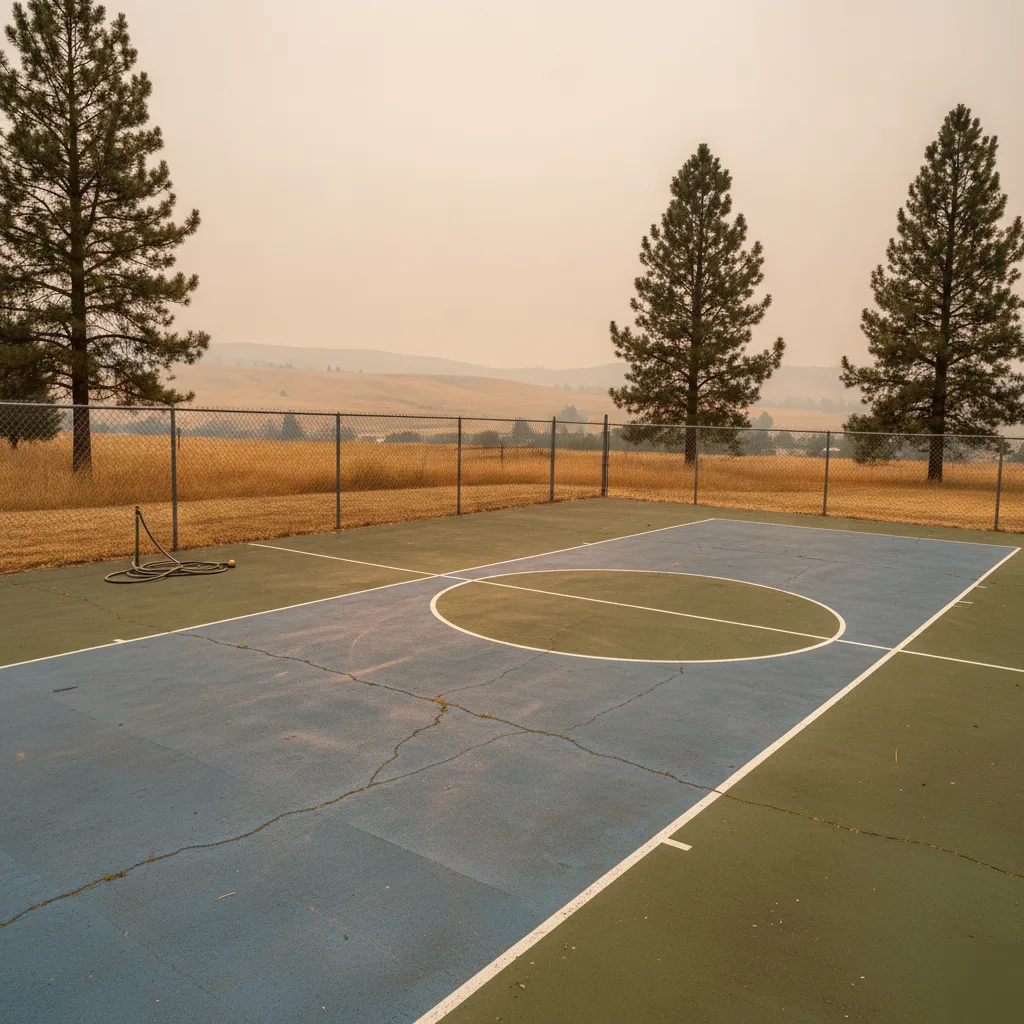
Then, wildfire smoke. August and early September in Spokane Valley often bring thick smoke. It can hang around for weeks. Everyone knows it’s bad to breathe. But it hurts sports court surfacing, too.
Smoke carries tiny particles. It lands on wet coatings like grit on paint. You get a rough, uneven texture. It won't work right. It won't last. You can't just blow it off once it's in there.
Smoke also blocks UV light. Some acrylic court coatings need UV exposure to cure. Less sun slows things down. That makes the surface stay open longer to dirt and foot traffic damage.
A client out by Greenacres a few years back pushed for their backyard basketball court in mid-August. Smoke hit on day two of curing. The finish was rough and patchy. We did concrete repair and resurfacing the next spring. That’s a job done twice, it needed one shot.
So, what’s the point? The sports court surfacing window in Spokane Valley avoids both extremes. You want mild daily swings, clear skies. That means late May through mid-June, or mid-September through early October, are your bets. Skip the smoke. Skip those big daily temperature swings. Your court will last.
Not sure when to schedule? Call us for a free estimate. We’ll look at your site conditions and figure out the timing.
Frequently Asked Questions
What temperature is too cold to apply sports court surfacing in Spokane Valley?
Below 50°F is too cold for sports court surfacing to cure properly. That rule applies to both the air temp and the concrete slab itself. In Spokane Valley, nights can drop below 40°F as early as October. Even a warm afternoon won't save you if the temperature crashes after the coating goes down. The American Sports Builders Association warns that coatings applied in cold conditions delaminate — sometimes within the first year. Don't gamble on fall weather here.
Can I schedule sports court surfacing in early spring when the snow melts in Spokane Valley?
Early spring is usually too soon for sports court surfacing in Spokane Valley. March and April bring peak ground moisture across the Valley floor, including areas like Liberty Lake. Concrete slabs absorb that moisture even when the surface looks dry. Coating a wet slab causes bubbles and peeling — sometimes fast. Late May is a much safer starting point. By then, snowmelt moisture has cleared, daytime highs are reliable, and nights stay above 50°F. Patience in spring saves you from concrete repair costs later.
Does summer heat cause problems for sports court surfacing in Spokane Valley?
Yes, extreme summer heat can cause real problems for sports court surfacing. In Spokane Valley, July and August can push past 95°F. Direct sun can heat a concrete slab surface to 140°F or higher — especially along lower corridors like Sullivan Road. At that temperature, surfacing material flash-dries before it can level or bond correctly. You end up with rough patches and poor adhesion. Mid-morning application on the hottest days, or choosing a slightly cooler stretch in late May or early September, helps avoid this problem entirely.
Why does Spokane Valley's freeze-thaw cycle matter so much for court surfacing?
Spokane Valley's freeze-thaw cycle is one of the harshest conditions a sports court surface faces. From October to March, temps swing hard — sometimes freezing and thawing multiple times a week. If a coating isn't fully cured before that first hard freeze, water gets underneath it. Then it expands, contracts, and lifts the surface right off the slab. We've seen courts near Greenacres and Opportunity fail this way after just one winter. Timing your project right is what separates a lasting surface from an expensive repair job.
What is the biggest mistake homeowners make when timing a court surfacing project?
The biggest mistake is waiting too long to book and then rushing the project into bad weather. Most homeowners call in July wanting a court done by August. By then, every contractor in Spokane Valley is fully booked. So the project gets pushed to October — right into frost season. We've seen this lead to coatings that never cured properly, followed by cracking and lifting after the first winter. Book in late winter or early spring instead. Lock in a summer install date before the schedule fills up. Our sports court surfacing page explains how we plan projects around Spokane Valley's weather calendar.
How far in advance should I plan a sports court surfacing project in Spokane Valley?
Plan at least two to three months ahead to get a summer install date in Spokane Valley. The best weather window — late May through September — is short, and contractors fill up fast. June and July are the most in-demand months. If you wait until summer to call, you may not get scheduled until fall, when weather conditions are a gamble. Starting your planning in February or March gives you the best shot at a prime installation date and the right curing conditions for a surface that lasts.
Ready to Experience the Concrete Revival Difference?
Complete Service Area Coverage
- Spokane and Spokane Valley
- Coeur d'Alene metro area
- Deer Park and Newport
- Liberty Lake and Otis Orchards
- Cheney and Medical Lake
- Post Falls and Rathdrum