
How long does a resurfaced outdoor court last in Spokane's climate?
Most online sources claim a resurfaced outdoor court lasts 4 to 8 years. That number comes from mild climates, you know? It misses the real Spokane Valley story completely.
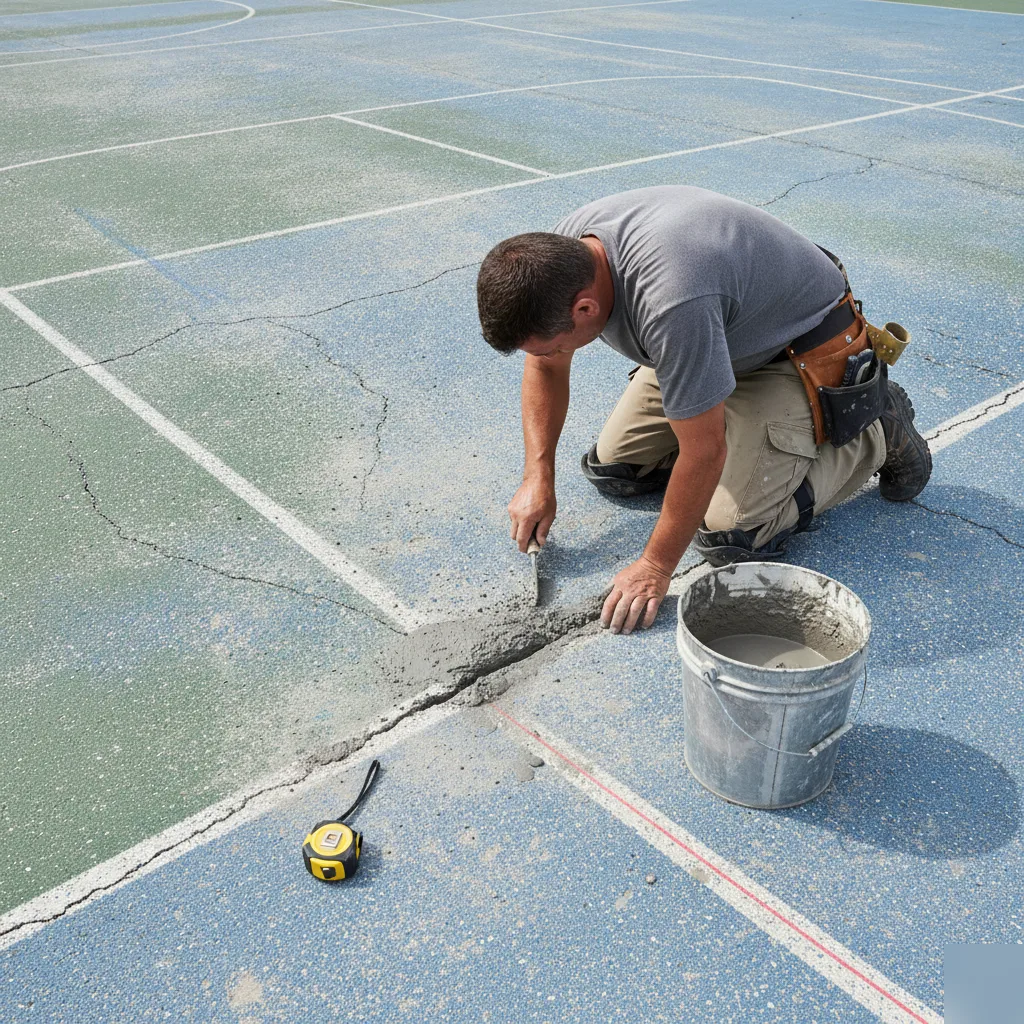
Here's the truth. Spokane battles around 200 freeze-thaw cycles every year, the Portland Cement Association says. Each one shoves moisture into tiny surface cracks. That water freezes solid, it expands, and rips the bond between the new resurfacing layer and the old concrete underneath. Do that 200 times in a season, and you see why surfaces here wear out faster than in Phoenix.
We've been working concrete in this area for 11 years now. Most resurfaced courts we check along the Sullivan Road corridor and right through Spokane Valley show real wear by year three or four. Not a total breakdown, but you'll see cracking, flaking edges, color fading where people play hard. That national average of 8 years? That's a dream number for somewhere without brutal winters.
Why Cold Climate Courts Age Faster
It’s never just one thing that tears down your court. Several factors pile up in our climate, pushing surfaces past their limits (and homeowners often don't see it coming). Freeze-thaw cycles force moisture to expand inside the new layer, dozens of times each winter. Temperature changes make the overlay and base slab grow and shrink at different rates, leading to stress fractures. Shovels or plows for snow and ice removal can gouge and chip a surface already weakened by the cold. Spring moisture saturation keeps the slab wet for weeks on end. This gives water more time to get into tiny cracks before the next cold snap hits.
And most folks don't see this until the damage is plain to see. By the time you notice flaking or peeling on your court, the bond underneath has been failing for months.
So what does this mean in real numbers for you? For a properly done resurfaced concrete court right here in Spokane Valley, figure on 3 to 6 years of solid use. That's an honest number. A court in San Diego might get 8 or 10 years from the same product. But our brutal winters are a completely different fight.
A Real Example From the Field
Last spring we looked at a basketball court near Pines Road, just off the main drag. It had been resurfaced only four years earlier. The owner thought the original work was bad. It wasn't. The resurfacing went down right, over a clean, prepped slab. But four Spokane winters did what they always do. The edges lifted, spider cracks webbed across the key, and the color wore through where kids play hard every day.
That's not the product failing. That's freeze-thaw damage meeting heavy use on a thin overlay. The fix? We did some concrete crack repair on the base slab, then a fresh resurfaced concrete application. We also added better drainage grading around the court edges.
Here's the real takeaway. If you're looking at resurfacing an outdoor court, plan for Spokane's climate from day one. That lifespan you see online? It’s probably two or three years longer than what you'll actually get here. This doesn't mean resurfacing isn't worth it, it absolutely is, when done right. But having real expectations means you can plan for future maintenance and recoating before the surface completely gives out. Want to see what resurfacing options actually hold up in our tough freeze-thaw conditions? Our resurfaced concrete page lays out the process and what your specific slab needs.
Freeze-Thaw Cycles Are the Biggest Threat to Outdoor Court Surfaces Here
Spokane Valley gets brutalized by temperature swings. We're not talking about a slow slide into winter. We see days where it hits 40°F at noon, then drops to 15°F by midnight. That kind of rapid back-and-back demolishes outdoor court surfaces faster than anything else out there.
Here's what goes on inside your concrete. Water seeps into tiny pores and hairline cracks when things warm up during the day. Then the temperature falls hard at night, and that water freezes solid. Frozen water expands by about 9 percent, says the Portland Cement Association. That pushes against the concrete from the inside. One cycle won't wreck it. But Spokane Valley typically sees 80 to 100 freeze-thaw cycles every winter season.
Eighty to a hundred times, water pushes in and expands.
That's the kind of constant stress that turns a tiny surface crack into a real issue (and homeowners often miss the early signs). It’s exactly why resurfaced concrete in this climate demands proper prep work and the right sealing to survive. Most people don't even realize their court started failing months before they saw any damage. The breakdown always begins underneath.
What Freeze-Thaw Damage Looks Like on a Court
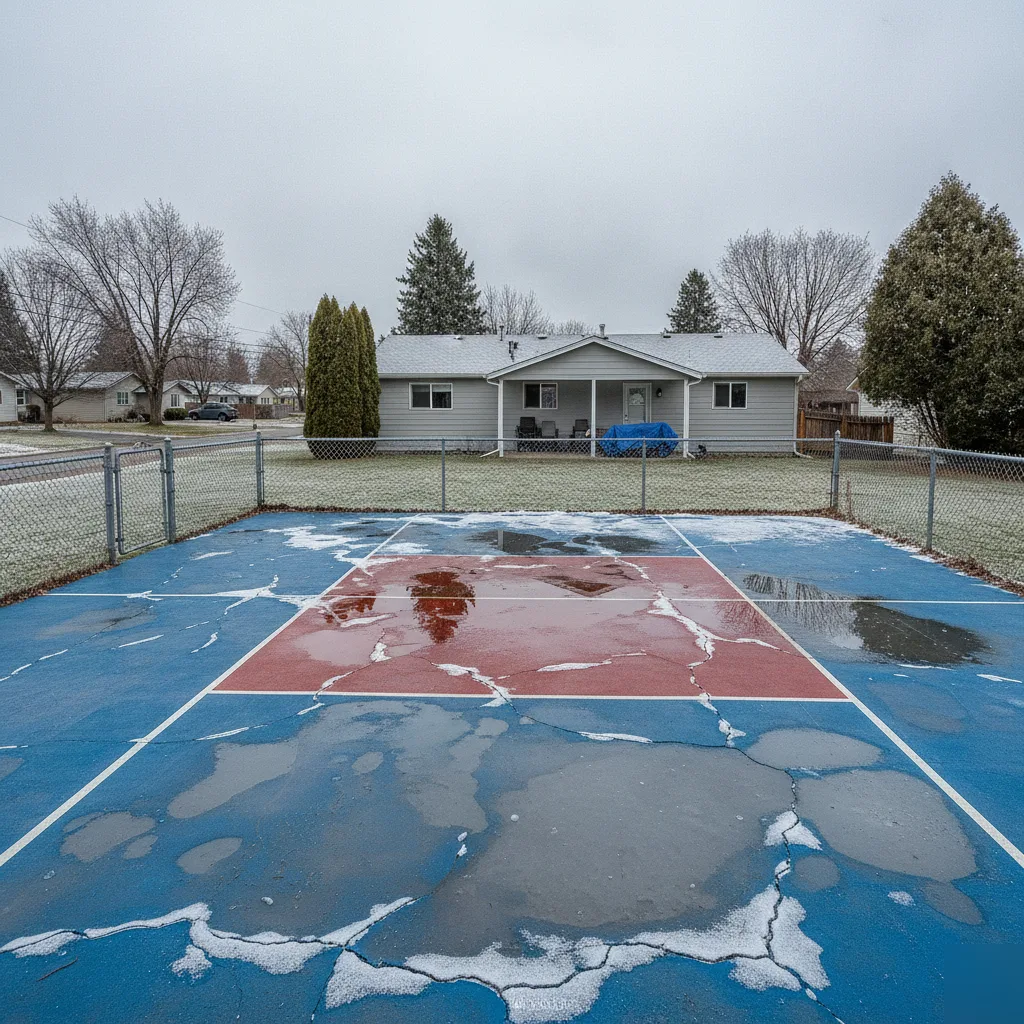
You won't always see a giant crack right away. The early signs are sneaky. Watch for these things: surface flaking or spalling where the top layer peels off like thin sheets. Rough patches that weren't there last spring. Small pop-outs where bits of gravel push through. Hairline cracks that seem to multiply after every cold snap. We've seen basketball courts along the Sullivan Road corridor that looked perfect in September. By March, they had visible spalling. That's just one winter.
The freeze-thaw cycle doesn't care how new your surface is. It cares if the concrete was sealed right. It cares if the resurfacing used the right materials for this climate.
Why Spokane Valley Courts Take More Abuse Than Most
Our valley sits in a unique spot. Cold air often pools here overnight because of how the terrain sits. So, while Spokane proper might hold at 25°F, parts of Spokane Valley can plunge into the teens. That means harsher freezing, more expansion, and more stress on your court every winter night.
But it's not just winter. Spring is brutal too. March and April bring those classic days, warm enough to melt snow on the court, then cold enough to refreeze it before sunrise. We see some of the worst concrete crack repair calls come in April. Homeowners finally notice what winter really did.
A resurfaced outdoor court, when it's properly sealed and put down by a professional concrete contractor, can handle these cycles. One done with shortcuts, or the wrong sealant? It won't make it through three winters, I've seen it happen too many times over 11 years in this business.
The lesson is simple. Freeze-thaw cycles here are a fact of life. But the damage they cause isn't. Good resurfaced concrete work plans for this climate from the beginning. If you're wondering if your court surface is holding strong or secretly falling apart, our concrete resurfacing page lays out exactly what makes a surface built to survive Spokane Valley winters.
Base Condition Determines Lifespan More Than the Coating Material Does
Here's what most people don't realize until it's too late. The surface you put on top of a court only works as well as what's underneath. We've seen resurfaced concrete courts near the Sullivan Road corridor fail in two years flat. Not because the coating was bad, but because the base was already ruined before anyone touched it.
Think about painting over rotten wood. You can use the most expensive paint out there. It won't change a thing. The same principle applies to outdoor court resurfacing here in Spokane Valley. If your existing concrete slab has deep cracks, it's settling, or it has water damage underneath, that new resurfaced layer is fighting a battle it can't win from day one.
What "Bad Base" Actually Looks Like
Most homeowners can't tell a slab needing minor concrete crack repair from one that's about to collapse. Here's what our crew looks for before we touch any resurfacing project: cracks wider than a quarter inch that run through the whole slab. Sections where one side of a crack sits higher than the other, that's a clear sign of settling. Soft or crumbling edges along the expansion joints. Standing water that pools in the same spot every time it rains, never drying out. Or spalling across big areas where the top layer has already peeled away., this part is more critical than most people realize.
Any one of those issues can cut a resurfaced court's lifespan in half. Two or three together? You'll see peeling and cracking within a couple of seasons. Spokane's brutal freeze-thaw cycles will find every weak point in that base. They'll make it much, much worse.
Why Prep Work Is the Real Investment
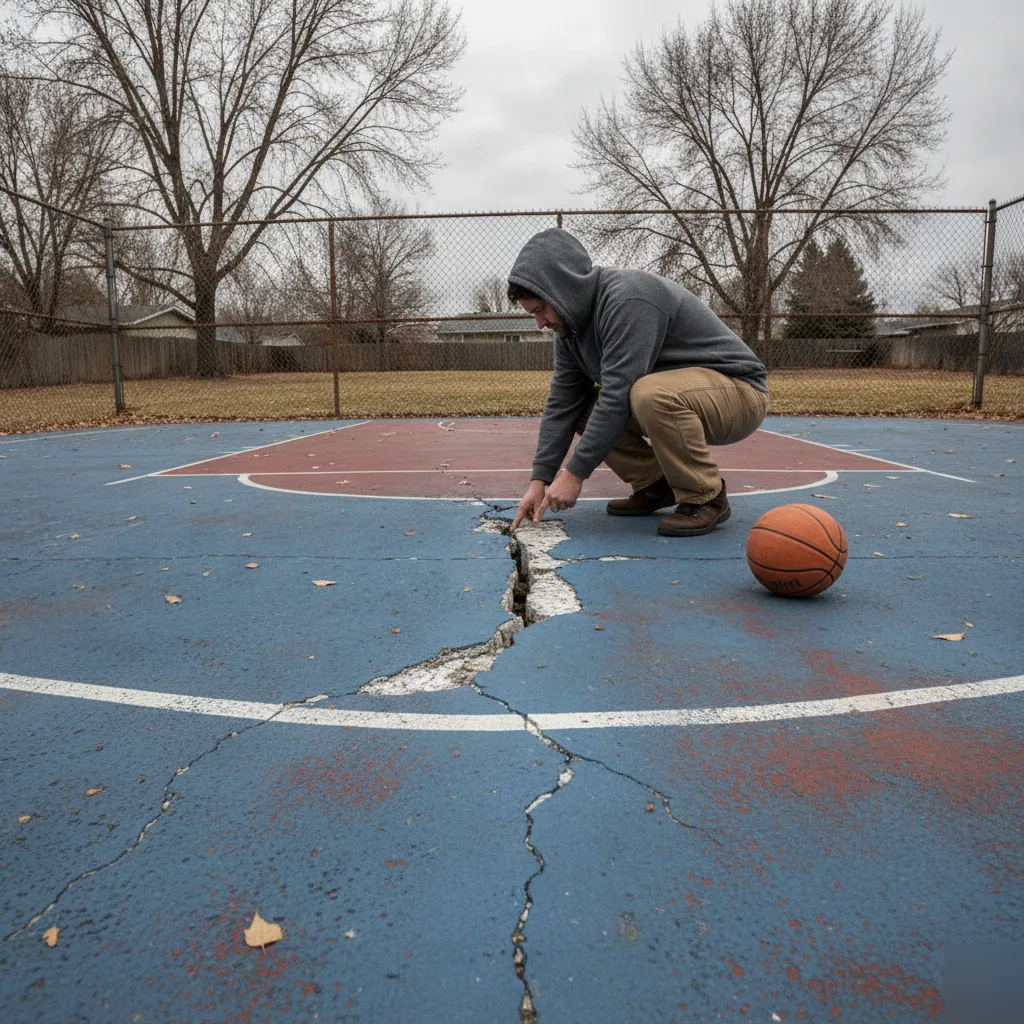
After 11 years doing concrete contractor services in this area, I can tell you the prep phase is where we build real longevity. Grinding down high spots. Filling voids. Doing proper concrete repair on structural cracks before any coating goes down. That work isn't flashy, but it's the difference between a court that lasts eight years and one that falls apart in three.
We had a customer near Greenacres with a backyard basketball court. A previous contractor resurfaced it without dealing with a network of hairline cracks running through the slab. One winter did the damage. Water got in, froze, expanded, and the new surface buckled in three spots. We had to strip the whole thing and start over.
And that's the frustrating part. The fix always costs more the second time around.
So, how do you know if your slab is truly ready? Get someone out there who does concrete repair to look at it. Not just someone who wants to slap a coating on and move to the next job. A professional concrete contractor Spokane will tell you what needs to happen underneath first. Before talking about what goes on top.
If you're thinking about resurfacing an outdoor court, start with the foundation. Our resurfaced concrete page walks through the complete process we use to evaluate and prep slabs here in Spokane Valley. That's where the real answers are. The coating matters. But the base matters more.
Frequently Asked Questions
How many years should I realistically expect from a resurfaced outdoor court in Spokane Valley?
In Spokane Valley, plan on 3 to 6 years of solid use from a properly resurfaced outdoor court. That's shorter than the 4 to 8 years you'll read about online. Those numbers come from mild climates. Our freeze-thaw cycles — up to 200 per year according to the Portland Cement Association — push moisture into the surface repeatedly every winter. A court in a warmer city will simply outlast the same product here. Knowing this upfront helps you plan for recoating before the surface fully breaks down.
What are the early warning signs that freeze-thaw damage is starting on my outdoor court?
The first signs are easy to miss. Watch for thin sheets of surface material peeling away — that's called spalling. Look for rough patches that weren't there last spring. Small pop-outs where bits of gravel push through the surface are another red flag. Hairline cracks that seem to multiply after cold snaps are a sign the bond underneath is already stressed. By the time you see these things clearly, the damage has usually been building for months. Catching it early means a simpler fix than waiting until full breakdown.
Does snow removal damage a resurfaced court faster in cold climates like ours?
It can, yes. Shovels and snow plows can gouge and chip a surface that's already been weakened by repeated freezing. A resurfaced court is a relatively thin overlay bonded to the base slab. When that bond is stressed from freeze-thaw cycles, even a metal shovel scraping across it can cause chipping at the edges or surface pops. Using a plastic shovel and avoiding heavy plow blades directly on the court surface can help extend its life. Small habits like this add up over several winters.
Does Spokane Valley's terrain make freeze-thaw damage worse than in other parts of the region?
Yes, it does. Cold air pools in the valley floor overnight because of how the terrain sits. That means parts of Spokane Valley can drop into the teens when Spokane proper holds at 25°F. Harsher overnight freezing means more expansion pressure inside your court surface every single night. Spring makes it worse too. Warm days melt snow on the court, then cold nights refreeze that water right inside tiny cracks. That cycle repeats for weeks every spring. It's one reason courts here wear faster than national averages suggest.
Is it a common mistake to assume the resurfacing job was done wrong when a court starts failing after a few winters?
Yes, that's one of the most common misconceptions we hear. A court can be resurfaced perfectly — clean prep, right materials, proper application — and still show cracking or flaking by year four in Spokane Valley. The freeze-thaw cycle doesn't care how well the job was done. It attacks every outdoor surface here. The real issue is usually climate wear meeting heavy use on a thin overlay, not bad workmanship. Understanding what actually causes failure helps you make smarter decisions about timing, prep, and maintenance going forward.
When should I call a professional instead of just sealing my court myself?
Call a professional when you see spalling, spider cracks across the playing surface, or edges that are lifting. Sealing a court yourself can slow minor surface wear, but it won't fix a failing bond between the overlay and the base slab. Applying a new sealer over damaged concrete just traps moisture underneath and speeds up the breakdown. If your court is showing real structural cracking or flaking through the color layer, the base slab likely needs concrete crack repair before any resurfacing goes back down. Our resurfaced concrete page walks through what that process looks like and what your slab actually needs.
Ready to Experience the Concrete Revival Difference?
Complete Service Area Coverage
- Spokane and Spokane Valley
- Coeur d'Alene metro area
- Deer Park and Newport
- Liberty Lake and Otis Orchards
- Cheney and Medical Lake
- Post Falls and Rathdrum