
When Should You Resurface Your Driveway? Key Signs It's Time to Act in Spokane Valley
Surface Cracks Are One of the First Signs Your Driveway Needs Attention
You walk across your driveway every single day. So it's easy to miss the small stuff. A thin line here. A tiny gap there. But those hairline cracks? They're your driveway talking to you. And it's saying something important.
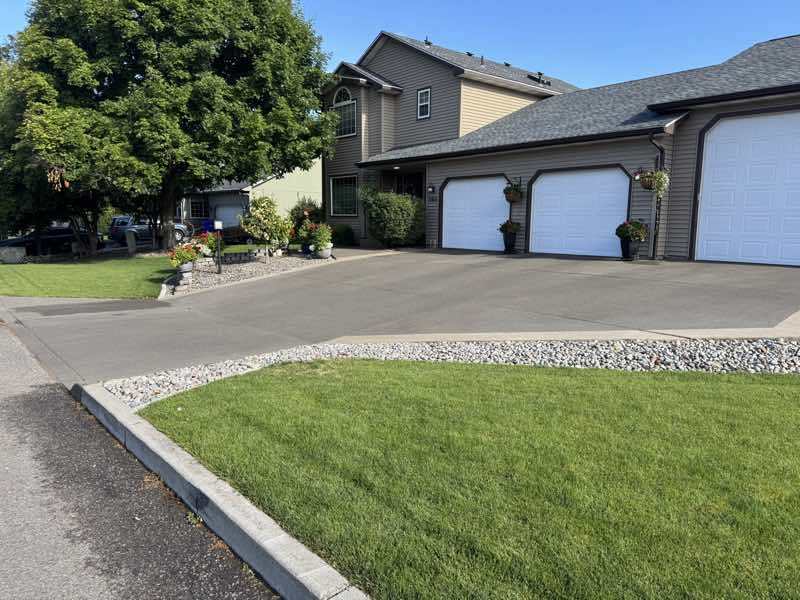
If you've been wondering when should you resurface your driveway and what key signs mean it's time to act, cracks are the place to start looking. They're almost always the first visible clue that your surface is breaking down — and exactly why homeowners in Spokane Valley reach out to restore and resurface a worn driveway before the damage gets worse. Not next year. Right now.
Let's break down what different types of cracks actually mean, why they matter so much in Spokane Valley, and what you should do about them before a small fix turns into a big project.
Why Cracks Form in the First Place
Your driveway sits outside 365 days a year. It handles your car, the sun, rain, snow, and ice. Over time, that constant exposure wears down even the toughest surfaces. gets brittle. Concrete shifts. The base underneath settles unevenly.
Here's what most people don't realize. Cracks rarely happen because of one event. They're the result of years of slow stress. Temperature swings expand and contract the material. Water seeps into tiny pores. Freeze-thaw cycles push those pores apart from the inside.
Spokane Valley sees some serious temperature swings. Summers can push past 95 degrees. Winters regularly drop well below freezing. According to the National Weather Service, the region experiences over 100 freeze-thaw cycles in a typical year. That kind of repetitive stress is brutal on driveways.
So when you see a crack forming, it didn't just appear overnight. It's been building for a while. The crack is just the moment the surface finally gives in.
Hairline Cracks vs. Structural Cracks
Not all cracks are created equal. Some are cosmetic. Others are warning signs of deeper problems. Knowing the difference saves you time, money, and stress.
Hairline cracks are thin. Usually less than a quarter inch wide. They sit on the surface and don't go deep. You'll often see them in driveways that are five to ten years old. They look minor. And, they are minor. At first.
But here's the thing. Hairline cracks don't stay hairline cracks. Water gets in. It freezes. The crack widens. Dirt and debris fill the gap, preventing it from closing back up when temperatures warm. Each season, the crack grows a little more.
We see this pattern constantly on driveways near the Spokane River and throughout the Greenacres area. Moisture levels tend to be slightly higher there. That extra moisture accelerates crack growth in ways homeowners don't expect.
Structural cracks are different. They're wider. Deeper. Sometimes you can see the base material underneath. They often run in patterns. Alligator cracking, where the surface looks like reptile skin, is a classic example. That pattern means the base layer has failed. Resurfacing alone might not be enough at that point.
One quick test you can do yourself. Take a flathead screwdriver and gently press it into the crack. If the material crumbles easily around the edges, the surface has deteriorated beyond just the crack itself. That's a sign resurfacing should happen soon.
The Real Danger: What Happens When You Ignore Cracks
Most people don't realize this until it's too late.
A crack that costs a simple repair today can become a full driveway replacement in just two or three seasons. The progression isn't gradual. It accelerates. Once water penetrates below the surface, the base layer starts to erode. And once the base goes, the surface has nothing to sit on.
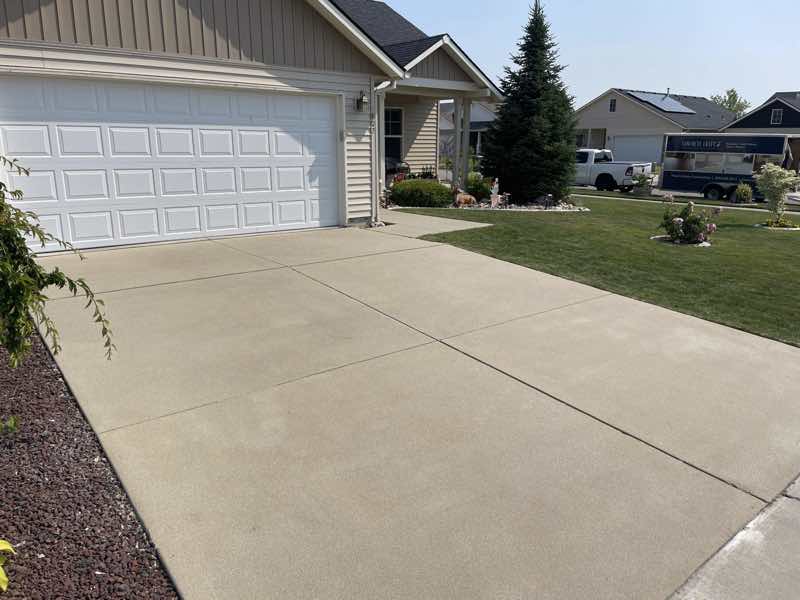
Think of it like a cavity in a tooth. A small filling now prevents a root canal later. Your driveway works the same way. Early intervention through resurfacing seals everything up and gives you a fresh, stable surface.
Here's a scenario we run into regularly. A homeowner in the Ponderosa neighborhood noticed a few cracks two summers ago. They figured they'd deal with it eventually. By the following spring, water had undermined a section near the garage. The surface had sunk about an inch. What could have been a straightforward resurfacing job now involved base repair too.
That's not unusual. It's actually the most common situation we encounter.
Cracks That Follow Specific Patterns Tell You More
Where cracks appear on your driveway matters just as much as how big they are. Random cracks scattered across the surface usually indicate age-related wear. That's normal. Resurfacing handles it well.
But cracks that follow the edges of your driveway? Those suggest the base wasn't properly supported along the borders. Cracks running parallel to the direction cars drive often point to heavy load stress. And cracks forming in a web or spider pattern near the center typically mean the base underneath has compressed unevenly.
Longitudinal cracks running the full length of the driveway deserve special attention. They sometimes indicate that the ground beneath has shifted. In parts of Spokane Valley with clay-heavy soil, this is more common than you'd think. Clay expands when wet and shrinks when dry. That constant movement puts enormous pressure on your driveway from below.
So don't just count your cracks. Look at where they are and what direction they run. That information helps determine whether resurfacing will solve the problem or if additional prep work is needed first.
How Wide Is Too Wide?
Good question. And there's a practical answer.
Cracks under a quarter inch wide are generally surface-level issues. Resurfacing covers them completely and prevents further growth. This is the ideal time to act. You're catching the problem early.
Cracks between a quarter inch and half an inch need attention soon. They're past the cosmetic stage. Water is definitely getting in. But resurfacing can still work if the base layer is intact. A professional assessment at this stage is smart.
Anything over half an inch wide needs a closer look. At that width, the crack likely extends through the full depth of the surface material. The base may be compromised. Resurfacing might still be an option, but only after proper crack repair and base evaluation.
And cracks wider than an inch? Those are telling you the driveway has significant structural issues. Resurfacing alone probably won't cut it.
We always tell homeowners to grab a tape measure. Literally measure your widest cracks. It takes thirty seconds and gives you real information instead of guessing.
Seasonal Timing Matters in Spokane Valley
When you notice cracks matters almost as much as the cracks themselves. Spring is the most revealing season. After months of freezing and thawing, winter damage shows itself clearly. Cracks that weren't visible in October might be obvious by April.
That's why we recommend doing a simple driveway walkthrough every spring. Just take five minutes. Walk the entire surface. Look at the edges. Check near the garage apron where water tends to pool. Inspect any areas where you park regularly since those spots bear the most weight.
Summer is the best time for resurfacing in our area. Warm, dry conditions help new surface material bond properly and cure evenly. If you spot cracks in spring, scheduling resurfacing for summer gives you the best results.
Waiting until fall is risky. You're racing against the first freeze. And if the new surface doesn't fully cure before cold weather hits, you could end up with problems right out of the gate.
What About Filling Cracks Instead of Resurfacing?
Crack filling is a legitimate repair method. For isolated cracks in an otherwise healthy driveway, it makes sense. You clean out the crack, apply a filler or sealant, and you're done.
But here's where people get tripped up. If you're filling more than a handful of cracks, you're putting bandages on a surface that needs real treatment. Filling ten or fifteen cracks across your driveway doesn't fix the underlying problem. The surface has aged. It's oxidized. It's lost flexibility. New cracks will keep appearing right next to the ones you just filled.
Resurfacing addresses the whole surface at once. It creates a new, uniform layer that seals existing cracks and prevents new ones from forming. It's the difference between patching a leaky roof shingle by shingle or putting on a new roof layer.
If you're spending time every year filling cracks, that's actually a clear sign resurfacing is overdue. Your driveway is telling you it needs more than spot repairs.
A Quick Self-Assessment You Can Do Today
Go outside and look at your driveway. Really look at it. Here's what to check:
- Count the visible cracks. More than five or six scattered across the surface suggests widespread wear.
- Measure the widest crack. Under a quarter inch is early stage. Over half an inch is urgent.
- Check the edges. Crumbling or chipping along the sides often accompanies surface cracking.
- Look for low spots where water collects after rain. Pooling water accelerates crack growth.
- Run your hand across the surface. If it feels rough, gritty, or sandy, the top layer is breaking down.
If you checked two or more of those boxes, your driveway is a strong candidate for resurfacing. And the sooner you act, the simpler the job will be.
Want to understand all the signs that point toward resurfacing and what the process actually involves? Our driveway resurfacing page walks you through everything, from assessment to finished surface. It's worth a look, especially if today's driveway inspection raised some concerns.
Don't Wait for Cracks to Connect
Here's the mental shift that saves homeowners the most trouble. Stop thinking of cracks as individual problems. Start thinking of them as symptoms of one bigger issue: your driveway surface is aging out.
Individual cracks are manageable. Connected cracks create sections. Sections start to shift independently. And once that happens, you're looking at removal and replacement instead of a clean resurface.
The sweet spot for resurfacing is when you have noticeable cracking but the base is still solid. That window doesn't stay open forever. In Spokane Valley's climate, a driveway can go from "should probably resurface soon" to "needs major repair" in just one bad winter.
So if you're seeing cracks, take them seriously. They're not just cosmetic flaws. They're the earliest and most reliable signal that your driveway surface needs attention. Acting now keeps the job straightforward and protects your driveway for years to come.
Frequently Asked Questions About Driveway Resurfacing
How do I know if my driveway needs resurfacing or a full replacement?
Your driveway needs resurfacing when cracks are surface-level and the base underneath is still solid. If cracks are wider than half an inch, or if sections have sunk or shifted, the base may have failed. A simple test helps: press a screwdriver into a crack. If the edges crumble easily, deterioration runs deeper than the surface.
Is it a mistake to wait until cracks get bigger before resurfacing?
Yes, waiting is one of the most common mistakes homeowners make. Small cracks under a quarter inch wide are easy to address with resurfacing. But once water gets in and reaches the base layer, the damage accelerates fast. What looks like a minor issue in fall can become a sunken or broken section by spring. Catching cracks early saves you from more involved repairs later. The longer you wait, the fewer options you have.
When should I call a professional instead of trying to fix driveway cracks myself?
Call a professional when cracks are wider than a quarter inch, when sections have sunk, or when you see alligator-style cracking across a large area. DIY crack fillers work for very small, shallow cracks. But they don't fix base problems. If the surface crumbles when you press into a crack, or if damage covers more than a small section, a professional can tell you whether resurfacing will hold or if base repair is needed first. Getting that assessment early protects your investment.
Does Spokane Valley's climate make driveway damage worse than other areas?
Yes, Spokane Valley's climate is especially hard on driveways. The region sees over 100 freeze-thaw cycles in a typical year, according to the National Weather Service. Summers push past 95 degrees. Winters drop well below freezing. That back-and-forth causes surfaces to expand and contract constantly. Water seeps into small cracks, freezes, and pushes them wider each season. If you wait too long to act, one or two winters can turn a minor crack into a serious problem.
Does the soil type in Spokane Valley affect how quickly driveways crack?
It does, especially in areas with clay-heavy soil. Clay expands when it gets wet and shrinks when it dries out. That constant movement puts pressure on your driveway from below. Over time, that pressure causes cracks to form in web or spider patterns near the center of the surface. Longitudinal cracks running the full length of the driveway can also signal ground movement. If you live in parts of Spokane Valley with clay soil, your driveway may show wear sooner than you expect.
What does alligator cracking mean for my driveway?
Alligator cracking means your driveway's base layer has likely failed. The surface looks like reptile skin, with a web of connected cracks spread across a section. This pattern does not come from surface wear alone. It means the material underneath has compressed or shifted unevenly. Resurfacing alone may not be enough at this stage. The base may need repair before a new surface layer is applied. If you see this pattern, get a professional look at it before the damage spreads further.
Ready to Experience the Concrete Revival Difference?
Complete Service Area Coverage
- Spokane and Spokane Valley
- Coeur d'Alene metro area
- Deer Park and Newport
- Liberty Lake and Otis Orchards
- Cheney and Medical Lake
- Post Falls and Rathdrum