

When Should You Repave Your Driveway? Key Signs to Watch For
A hairline crack shows up. You ignore it. Six months later, that crack's three inches wide, water pooling underneath. We see this play out every single spring in Spokane Valley.
Most homeowners miss this. Surface cracks are just symptoms. Not the actual problem.
What truly matters? What's below the slab. And in our freeze-thaw climate, that's where the real, deep damage lives.
What's Really Going On Under the Surface
Spokane Valley winters are rough. Temperatures often dip under 20°F, then jump above freezing the same day. The Portland Cement Association states concrete handles over 100 freeze-thaw cycles yearly in cold spots. Each cycle shoves water into tiny pores and cracks. The water freezes, expands, then thaws. Again and again. This repeated stress just destroys concrete from the inside out, making it weaker with every temperature swing.
That small surface crack? It hints at bigger issues. Maybe the subbase moved. Or moisture's been getting in for two, even three winters. What you see on top is often nothing compared to the structural damage below.
Cracks That Look Minor But Aren't
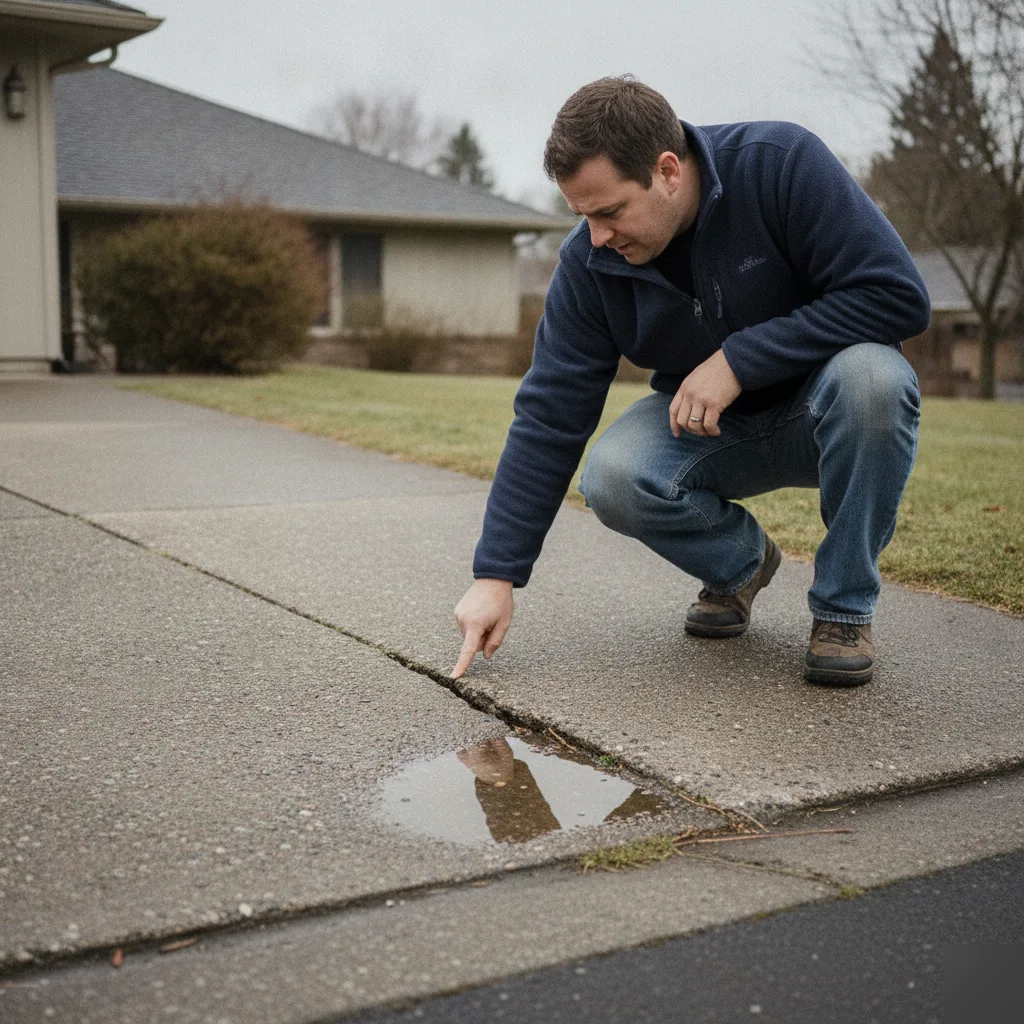
Not every crack means you need a full repave. But certain patterns tell a bigger story. Here’s what to watch for:
- Spider-web cracking over a big area. This usually means subbase failure, not just a surface issue.
- Cracks that return after patching. Repeated concrete crack repair in the same spot signals a deeper problem.
- Uneven sections. One slab sits higher than another. The ground underneath likely heaved or settled.
- Cracks wider than a quarter inch. Water gets in easy. Freeze-thaw damage speeds up.
We've seen it along the Sullivan Road corridor. Homeowners patched the same cracks three years straight. Every spring, the damage came back worse. The surface looked fine after each fix, the foundation underneath told a completely different story.
When Repair Works and When It Doesn't
Concrete crack repair and driveway resurfacing work for surface stuff. A good contractor fills cracks, smooths rough spots, and helps restore your concrete driveway. It will look good, last several more years. But only if the base is solid underneath.
Multiple failures? Patching won't hold. Seriously. Would you paint over a crumbling foundation? It's the same deal here.
After 11 years doing driveway repair in Spokane, I've seen it all. The biggest mistake? Waiting too long. A crack might be a few hundred bucks to fix in year one. By year three, that's a full repave. The freeze-thaw cycle never quits.
If your driveway has cracks that keep returning or sections that feel uneven underfoot, get a professional look. Forget internet guesses. You need a real assessment from a local concrete contractor. Someone who gets what Spokane Valley winters do to a slab. We offer free estimates. Sometimes the fix is much simpler than you think.
Repair or Repave? A Scenario-by-Scenario Guide
Not every cracked driveway needs tearing out. And not every crack gets patched and forgotten. The trick is knowing your situation. After 11 years of concrete driveway repair in Spokane Valley, we've walked hundreds of driveways. We give straight answers, even if it's not what a homeowner wants to hear.
Here's how we break it down, scenario by scenario.
Scenario 1: A Few Hairline Cracks
Mostly flat driveway? You see thin cracks, maybe two. None wider than a quarter inch. No slab shift. No sinking. This is an easy call. Concrete crack repair works here. A professional concrete contractor seals those cracks. This stops water getting in, it stops freeze-thaw cycles from making things worse. You don't need a full repave. You just need to act before winter gets here.
Scenario 2: Wide Cracks With Uneven Edges
Cracks now half an inch or wider. The edges don't meet up anymore. One side sits higher than the other. This means the base underneath is failing. The slab is moving. Driveway repair and restoration can sometimes help. Especially if it's just one section. But if this covers most of the surface? Patching won't last long term. The foundation issue will just keep coming back.
We see this often near the Sullivan Road corridor. Soil conditions there shift more than people realize.
Scenario 3: Pitting, Flaking, and Surface Erosion
Your concrete's top layer is coming apart. Small chunks pop off when you scrape it. The surface looks rough, pitted. That's spalling. Spokane's freeze-thaw cycles cause it quicker than other places. The Portland Cement Association highlights repeated freezing and thawing as a top cause of concrete's surface wear, and their driveway resurfacing FAQ explains how homeowners can spot this early.
Spalling covering less than 25 percent? Driveway resurfacing can restore that surface. No full tearout needed. But if it's everywhere, then you're looking at repaving. No way around it.
Scenario 4: Large Sunken Areas or Heaving Slabs
This one always surprises people. A whole section of driveway dropped two inches. Or a slab pushed up, making a trip hazard. That subgrade failed. Surface repair won't fix a broken foundation. You need to repave. Build it once, build it right.
People don't see this until it's too late. They patch surfaces three, four times. Keep spending money. Then they repave regardless, it’s a waste of good money,.
Scenario 5: The Driveway Is 20+ Years Old With Multiple Problems
Here's the truth. Driveway has wide cracks? Surface damage? Drainage issues? Plus it's 20+ years old in Spokane Valley weather? Repair won't pay off. You'll just fix symptoms. The real problem gets worse below. A full repave means a clean start. Proper grading, a fresh base. That's how you get 20-year concrete that laughs at Spokane winters.
So how do you decide? Use this quick framework:
- Check crack width. Under a quarter inch? Usually repair.
- Look for slab movement. Sections shifted or sunk? The base needs work.
- Check surface condition. Spalling in spots can be resurfaced. Everywhere? No.
- Count repairs. Patched the same driveway three or more times? Repave.
- Age matters. A slab over 20 years old here in our climate? It's taken a beating.
Not sure where your driveway fits? That's normal. Every slab is unique. Get a professional driveway repair assessment. It's smart. Don't spend money on the wrong fix. We offer free estimates. We'll tell you straight: repair makes sense or it's time to start fresh.
How Spokane Valley Winters Speed Up Driveway Damage
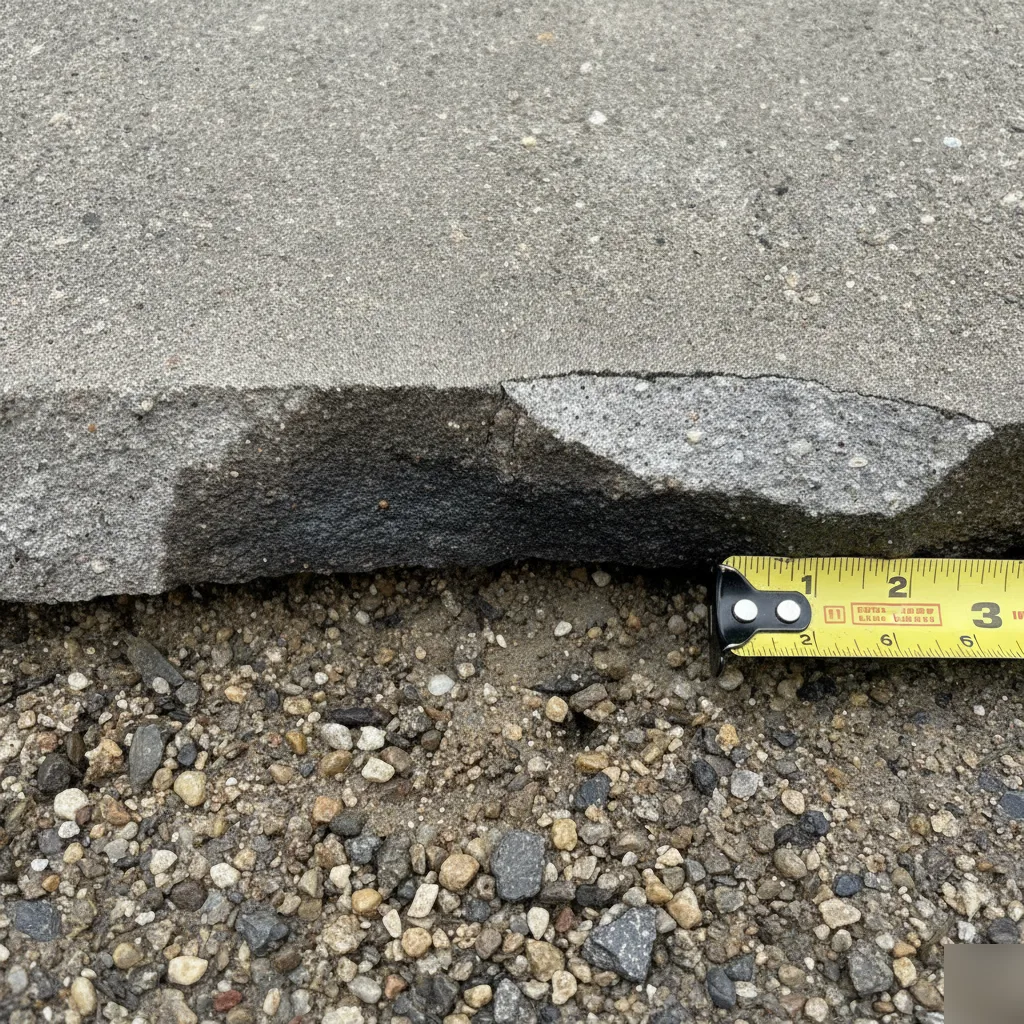
Freeze-thaw cycles. They're the biggest reason driveways fail in Spokane Valley. Not just age. Our weather does the real, heavy lifting.
Here's the deal. Water gets into tiny cracks and pores. This happens during rain or snowmelt. Then temperatures drop below freezing overnight. That water expands by about 9 percent as it turns to ice, a fact confirmed by Portland Cement Association research. This expansion shoves against the concrete from the inside. It thaws the next day. Water settles deeper. Freezes again. This cycle repeats dozens of times every brutal winter in Spokane Valley, grinding concrete down.
We see this damage every spring. Homeowners near the Sullivan Road corridor or Sprague call us up. They wonder why their driveway looked good in October but has new cracks by March. The answer? Almost always freeze-thaw. Over 11 years of concrete driveway repair here, that pattern hasn't changed once.
Why Spokane Valley Gets Hit Harder
Not every climate punishes concrete like ours does. Spokane Valley sits where winter temperatures swing wild. You might see 40 degrees by day. Then 18 degrees that night. That's a full freeze-thaw cycle in 24 hours. Some winters, we hit 50 or more cycles from November to March. That's a lot of abuse for a concrete slab to take.
Think steady cold. Northern Minnesota. A driveway freezes in November, stays frozen 'til spring. One freeze, one thaw. Spokane Valley's constant back-and-forth is way worse. It grinds concrete down. Over and over again.
What Freeze-Thaw Damage Looks Like
You don't need to be a professional concrete contractor to spot freeze-thaw damage. But you do need to know what you're looking at. Here are the most common signs we find on Spokane Valley driveways each spring:
- Surface flaking. The top layer peels away in thin sheets.
- Spalling. Rough, pitted patches where chunks have popped out.
- Hairline cracks. Not there last fall. Now spreading every which way.
- Uneven sections. A slab lifted or sunk because ground frost pushed it.
Any one of these can turn into a bigger problem. A hairline crack in December? It's a quarter-inch gap by April. And that gap? It's just inviting more water in next winter.
De-icing salts? They make everything worse. Salt lowers water's freezing point on top. But it also ups the freeze-thaw cycles happening inside the concrete. Most homeowners don't get this. Not until the damage is done. If you've used rock salt on your driveway for years, your concrete has been taking extra hits every winter.
So, what's the move? Early freeze-thaw damage? Concrete crack repair or driveway resurfacing can stop it. Get ahead of the cycle. But if the surface is scaling everywhere, or slabs have shifted? You're probably past repair. A full repave just makes sense then. Don't patch something that'll just break apart again next brutal winter.
Catch it early. That's the key. Not sure about your driveway after this past winter? Our driveway repair page shows the options. Options that work for Spokane Valley's climate. Worth a look. Before the next freeze hits.
Frequently Asked Questions
How long should a concrete driveway last before it needs full replacement?
A concrete driveway can last 20 to 30 years with proper care, but Spokane Valley winters often cut that shorter. Freeze-thaw cycles stress the slab every year, weakening it from the inside out. A driveway showing wide cracks, sunken sections, or repeated repair failures before hitting 20 years is aging faster than normal. If your driveway falls into this pattern, it may be time to stop patching and plan for a repave instead.
Is it normal for a driveway to have a few small cracks?
Yes, a few thin hairline cracks are common and usually not a red flag. Most concrete develops some minor cracking as it cures and settles over the years. The concern starts when cracks widen past a quarter inch, spread in a spider-web pattern, or keep reopening after repair. Those patterns point to subbase movement, not just surface wear, and they signal it's time for a real inspection.
Does soil movement near Sullivan Road affect driveway cracking?
Yes, soil conditions near the Sullivan Road corridor tend to shift more than in other parts of Spokane Valley. This ground movement can cause uneven slab sections, where one side sits higher than the other. Homeowners in this area often see cracks return even after patching, since the real issue is happening below the surface. If this sounds like your driveway, our guide on when to repair vs. repave your driveway walks through how to tell the two apart.
Should I try to fix a cracked driveway myself before calling a contractor?
Small hairline cracks are fine to seal yourself with a basic filler kit. But once cracks return after patching, or you notice uneven slab sections, self-repair won't fix the real problem underneath. A local concrete contractor can check the subbase and tell you whether you're dealing with a surface issue or a foundation failure. Guessing wrong wastes time and money, so a professional look is worth it once cracks keep coming back.
Why do driveways crack more in Spokane Valley than in warmer climates?
Spokane Valley driveways crack more because of repeated freeze-thaw cycles each winter. Water gets into small pores, freezes, expands, then thaws again, and this cycle can happen over 100 times a year in cold regions, according to the Portland Cement Association. That repeated stress weakens concrete from the inside, even when the surface still looks fine. It's why a driveway that seems okay in fall can show serious cracking by spring.
What's the difference between spalling and a normal surface crack?
Spalling is when the top layer of concrete flakes or pits away, while a surface crack is just a line or split in the slab. Spalling happens faster in Spokane's freeze-thaw climate and often means water has been soaking into the concrete for a while. If spalling covers less than a quarter of your driveway, resurfacing can usually fix it. Once it spreads further, a full repave becomes the more reliable option.
Ready to Experience the Concrete Revival Difference?
Complete Service Area Coverage
- Spokane and Spokane Valley
- Coeur d'Alene metro area
- Deer Park and Newport
- Liberty Lake and Otis Orchards
- Cheney and Medical Lake
- Post Falls and Rathdrum