
Best Time to Repair Your Driveway in Spokane | Guide
Freeze-thaw cycles destroy more driveways in Spokane Valley than heavy traffic ever will. Not opinion. It's what 20-plus years of concrete driveway repair work has taught us firsthand.
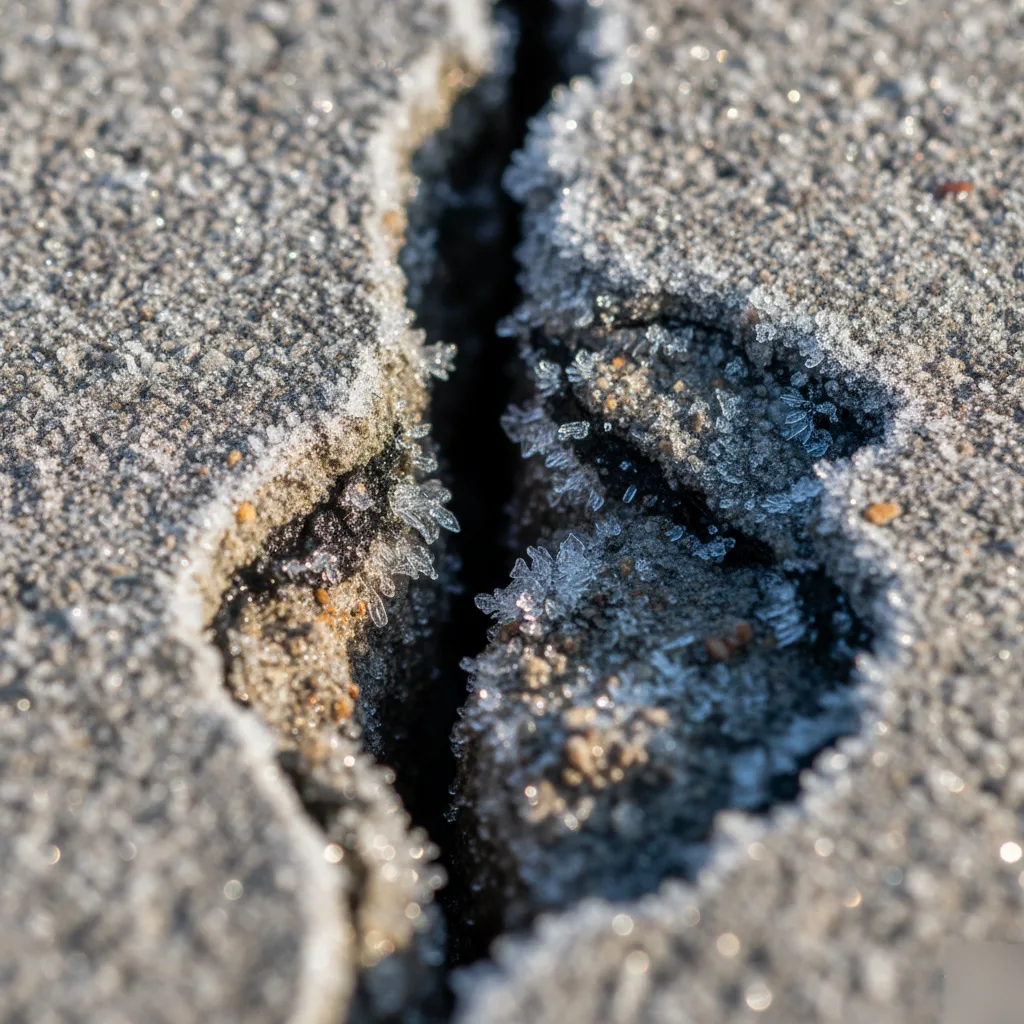
Here's what happens. Water seeps into small cracks during fall rain. Temperatures drop below freezing overnight. That water expands by about 9 percent as it turns to ice, the crack gets wider. Then daytime temps rise, the ice melts, and water pushes even deeper. This cycle repeats dozens of times between November and March, and one hairline crack in October becomes a chunk of missing concrete by April.
Spokane Valley sits in a climate zone that averages over 100 freeze-thaw cycles per year. Brutal on concrete. Most people don't realize how damage compounds once it starts, they assume a small crack can wait another season. It can't.
Why Spokane Valley Gets Hit Harder Than You'd Think
The valley floor collects cold air. Neighborhoods near Sullivan Road and Mirabeau Point often see lower overnight temps than areas at higher elevation. More freezing events per winter. More expansion and contraction working against your concrete.
Spring runoff brings a different problem. Snowmelt saturates the ground underneath your driveway slab. Soft, waterlogged soil shifts. Slabs settle unevenly. That's how you end up with trip hazards and pooling water that sets up the following winter for even worse damage.
Summer brings its own stress. Spokane Valley regularly hits 95 degrees or higher in July and August. Concrete expands in that heat. If your control joints are already compromised from winter damage, summer expansion pushes cracks open from the other direction. It's a year-round damage cycle, and it doesn't take a break.
The Window Most Homeowners Miss
We see this mistake constantly. Someone notices their driveway cracking in March, figures they'll deal with it in summer. But by July, every concrete contractor in Spokane is booked out. The repair gets pushed to fall. Then winter hits again before the work gets done. What would've been a straightforward concrete crack repair in spring is now a full driveway resurfacing job.
Timing your driveway repair around Spokane Valley's climate isn't just smart. It's the difference between a small fix and a big one.
- Late fall cracks will grow 2-3 times larger over a single Spokane winter
- Spring soil saturation causes slab settling that worsens existing damage
- Summer heat expands concrete and widens compromised joints
- Waiting one extra season often doubles the scope of repair needed
So when should you actually schedule the work? The answer depends on what month you're reading this. But the short version is: the time to repair your driveway in Spokane is before the next freeze-thaw cycle catches up to you. If you've already spotted cracks, chips, or uneven sections, check out our driveway repair page to see how we handle repairs for Spokane Valley homeowners dealing with exactly this kind of climate damage.
The True Repair Window Is Shorter Than Most Homeowners Expect
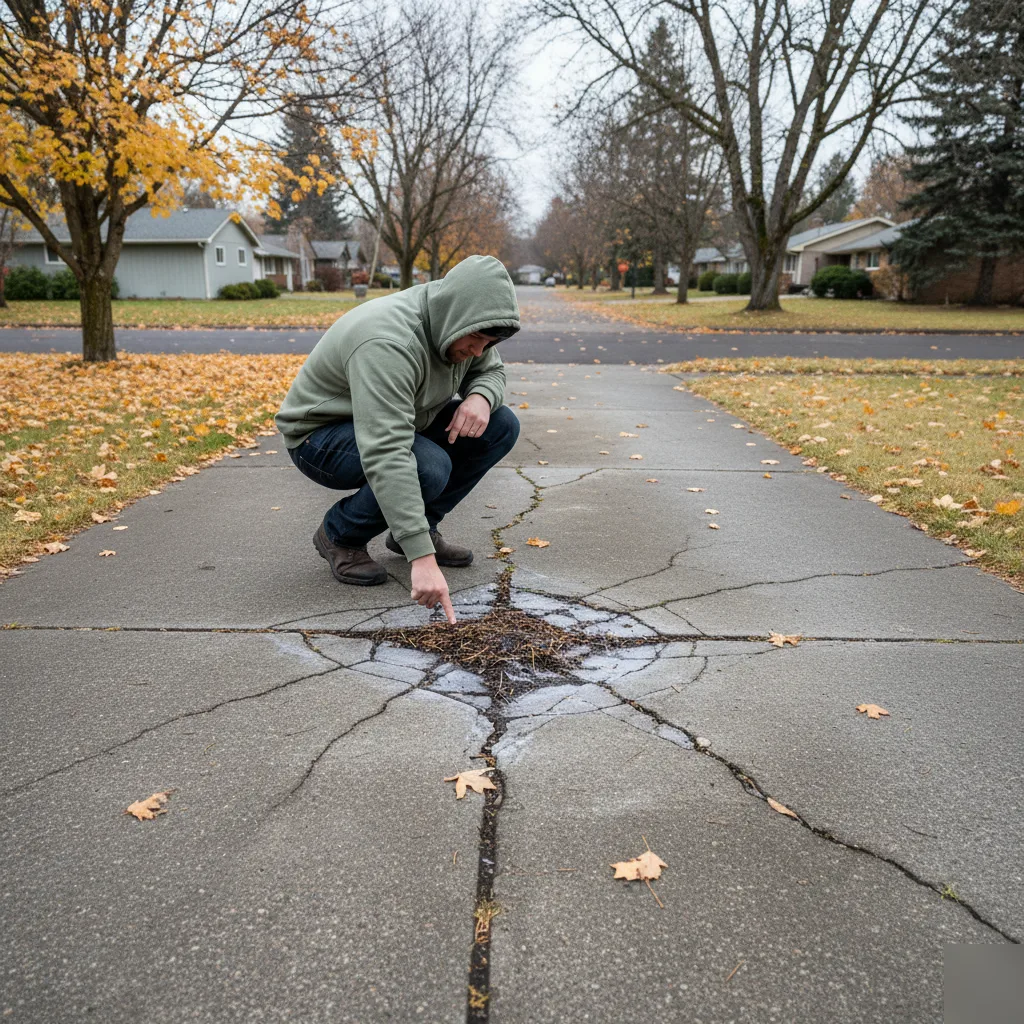
Here's what surprises most folks. Spokane Valley gets maybe four solid months for driveway repair. Not six. Not eight. Four months where conditions actually cooperate for concrete work that'll last.
We've been doing concrete driveway repair in Spokane for over 20 years. Every spring, homeowners call us in March thinking they're ahead of the game. But the ground is still frozen two inches down. Concrete needs stable soil temps above 50°F to cure right, the air needs to stay above freezing overnight. In Spokane Valley, those conditions don't reliably show up until late April at the earliest.
What Eats Into Your Repair Window
Think about what actually happens each year. March and early April bring freeze-thaw cycles that are still actively damaging concrete. You can't fix something while the weather is still breaking it. Then October rolls around and nighttime temps start dipping below 32°F again. The National Weather Service puts Spokane's average first fall freeze right around October 10th.
So your real window looks like this:
- Late April through May: ground thaws enough for proper concrete crack repair and surface prep
- June through August: prime conditions for driveway resurfacing and bigger repair jobs
- September through early October: last chance before freeze-thaw starts all over again
That's roughly mid-April to early October. Subtract the rainy weeks in spring and the smoky weeks in August, you're looking at even less usable time.
Why Waiting Until "Next Spring" Costs You
A small crack in September becomes a real problem by April. Water gets in. It freezes. Expands. Thaws. Repeats. Spokane sees around 100 freeze-thaw cycles per year, and every one of those cycles makes existing damage worse.
We see this play out every spring. A homeowner spots a crack in their driveway in October and decides to wait. By April that crack has doubled in size. What could've been a simple concrete crack repair job turns into a full driveway repair project, and the price goes up accordingly.
And here's the kicker. Spring is when every concrete contractor in Spokane is booked solid. You're competing with commercial jobs, new pours, and everyone else who waited through winter. Scheduling gets tight.
The smart move? Book your driveway repair in late summer or early fall. September is our sweet spot. Temps are still warm enough for proper curing. Humidity is low. And you're sealing up damage before winter does its worst, which in Eastern Washington, is saying something.
If you've already spotted cracks or surface damage, don't let another freeze-thaw season make it worse. Check out our driveway repair services page to see how we handle repairs built to survive Spokane winters.
Bottom line: the repair window is short, the demand is high. Plan ahead or pay more later.
Month-by-Month Driveway Repair Calendar for Spokane
Knowing what to do each month saves you money. It also saves your driveway. Here's a month-by-month breakdown based on 20-plus years of concrete driveway repair work across Spokane Valley and the surrounding area.
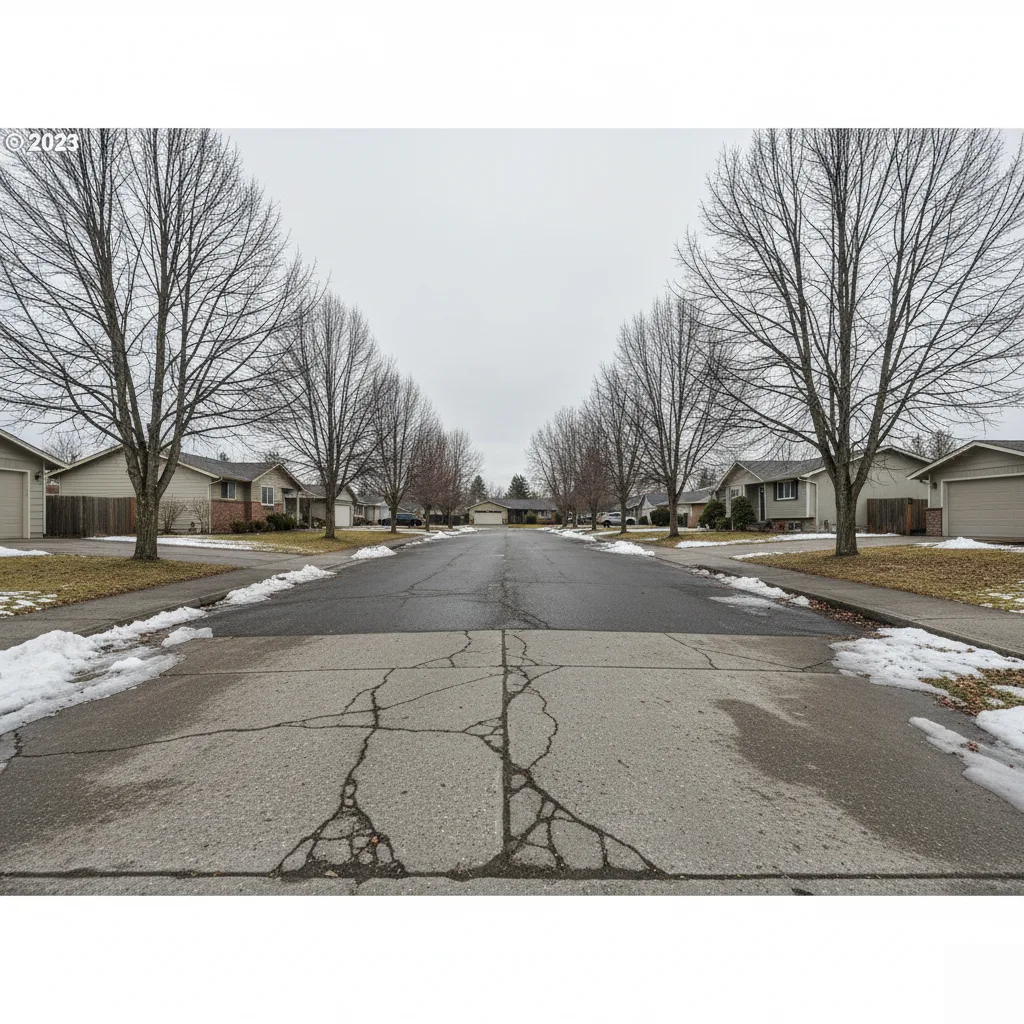
January Through March: Inspection Season
These are the coldest months. Temperatures throughout Spokane Valley regularly drop below 20°F. Concrete expands and contracts during freeze-thaw cycles, that's when small cracks become big ones. Don't schedule concrete crack repair during this window. The ground is frozen, and fresh concrete won't cure right.
Walk your driveway after each thaw. Look for new cracks, heaving, or spots where water pools. Take photos. Most people don't realize a crack can double in size over a single winter, documenting it in January tells you exactly how much damage the season added by March.
April and May: Prime Repair Window
This is when we get busy. April brings consistent daytime temps above 50°F, the minimum for most driveway repair work. Snow runoff reveals all the damage winter left behind. If you spotted cracks or spalling in February, now's the time to act.
May is the sweet spot. Ground temps stabilize. Rain tapers off. We can do concrete driveway repair, driveway resurfacing, and concrete sealing without weather delays. Book early. Every concrete contractor in Spokane fills up during May, and we're no different.
June Through August: Full Build Season
Summer is wide open for bigger projects. If your driveway needs a full tear-out and replacement, June through August gives us the longest cure windows and the driest conditions. Stamped concrete, colored concrete, and decorative finishes all need warm dry weather to set properly.
But here's something we see a lot. Homeowners wait until July thinking they have plenty of time. Then they call in August and we're booked through September. If you need professional driveway repair services during summer, call in May or early June to get on the schedule. Waiting costs you the window.
September and October: Last Call
September still works well for Spokane driveway repair. Daytime temps hover in the 60s and 70s. October gets tricky, nighttime lows start dipping below 40°F, and concrete needs at least 48 hours above freezing to cure correctly.
We treat October as the cutoff for most exterior concrete work. Concrete crack repair and small patch jobs can still happen in early October. Full pours and driveway resurfacing become a gamble after mid-month.
November and December: Prep and Protect
No concrete work. Period.
Use these months to apply concrete sealing products if you haven't already. A sealed driveway handles freeze-thaw damage far better than bare concrete. Proper sealing can extend a driveway's life by years in cold climates like Eastern Washington's, and it's a fraction of what repair costs later.
And skip the rock salt. It accelerates spalling faster than most people expect. Sand or kitty litter works for traction without eating your surface.
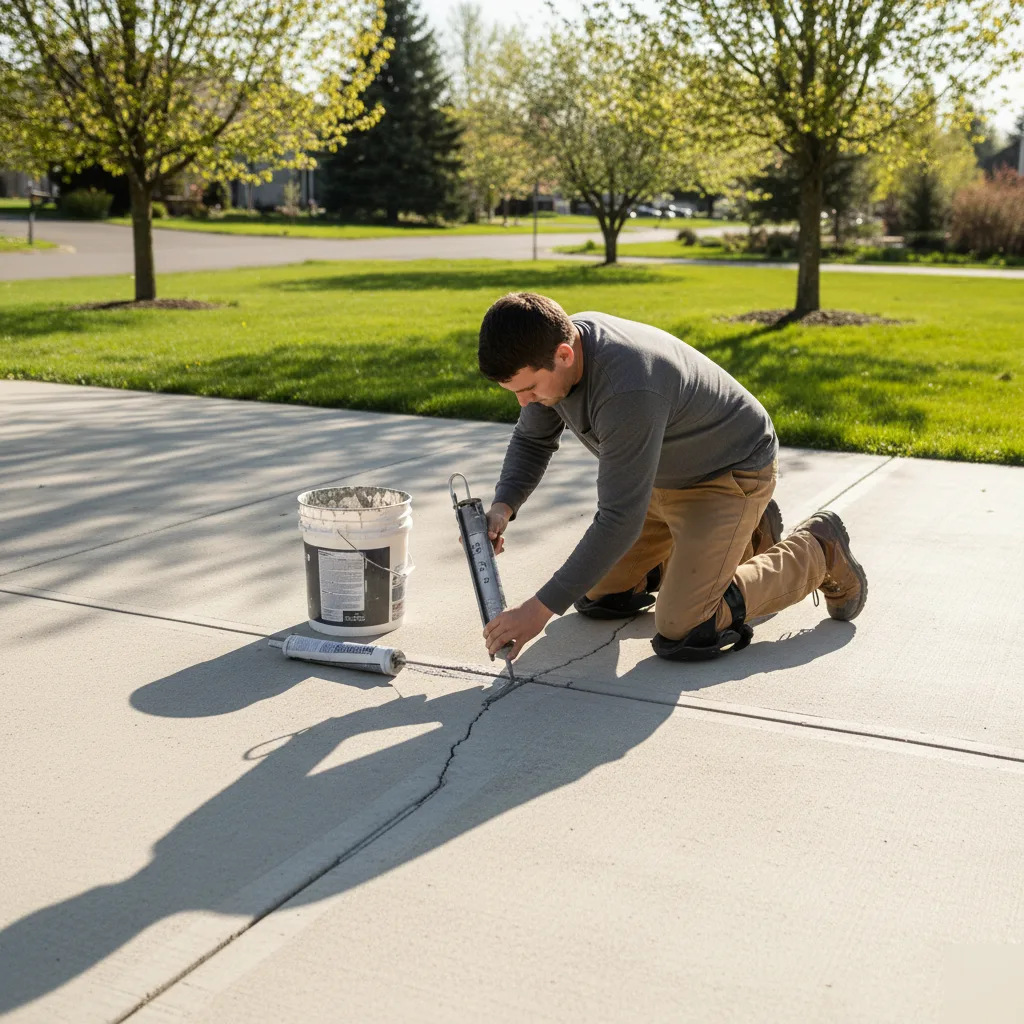
The Pattern That Matters
Here's the short version:
- January through March: inspect and document damage
- April through May: schedule repairs and get your free estimate
- June through August: tackle big projects like full replacement or decorative concrete
- September: last window for driveway repair and restoration
- October through December: seal, protect, and plan for spring
We've followed this calendar for over two decades in Spokane Valley. The homeowners who plan around these months spend less and get better results. The ones who wait until damage is obvious end up paying for work that could've been a simple fix six months earlier. If you're seeing cracks or surface damage right now, check out our driveway repair page and grab a free estimate before the schedule fills up.
Frequently Asked Questions
Can you repair a driveway in Spokane Valley during winter?
No — winter is the worst time to repair a driveway in Spokane Valley. Concrete needs soil temps above 50°F and overnight air temps above freezing to cure properly. From November through March, those conditions simply don't exist here. If you pour or patch concrete when it's too cold, the material won't bond right. You'll end up with repairs that fail before spring even arrives. The freeze-thaw cycles happening all winter will break down fresh repairs just as fast as they'd break down old ones.
What's the biggest mistake Spokane homeowners make about driveway crack timing?
The biggest mistake is assuming a small crack can wait another season. A hairline crack in October can double or triple in size by April after just one Spokane winter. Water seeps in, freezes, expands by about 9 percent, then thaws and pushes deeper — repeating dozens of times. What starts as a simple concrete crack repair becomes a much larger job by spring. And by spring, every contractor in Spokane is already booked. Waiting one season often means paying significantly more and waiting longer for an appointment.
How do you know if your driveway damage is from freeze-thaw cycles or something else?
Freeze-thaw damage usually shows up as cracks that run along the surface, spalling (where the top layer flakes off), or chunks of concrete that have broken away near the edges. If your damage gets noticeably worse each spring compared to the previous fall, freeze-thaw cycles are almost certainly the cause. Uneven slabs or sections that have settled lower than others are often caused by spring snowmelt saturating the soil underneath. Both types of damage get worse every winter you wait to fix them.
Why does Spokane Valley's climate cause more driveway damage than other areas?
Spokane Valley averages over 100 freeze-thaw cycles per year — that's a lot of stress on concrete. The valley floor also traps cold air, so neighborhoods near Sullivan Road and Mirabeau Point often see lower overnight temps than higher-elevation areas. More freezing events mean more expansion and contraction working against your slab. Add summer heat that regularly hits 95°F and spring snowmelt that saturates the soil underneath, and you've got a year-round damage cycle that's harder on driveways than most Pacific Northwest climates.
What is the best month to schedule driveway repair in Spokane Valley?
September is the sweet spot for driveway repair in Spokane Valley. Temps are still warm enough for proper concrete curing, humidity is low, and you're sealing up damage before winter freeze-thaw cycles start again. Late April through May works well too, once the ground has fully thawed. The real repair window runs roughly mid-April to early October — shorter than most homeowners expect. If you want to learn more about how repairs are handled for Spokane Valley's specific climate conditions, our driveway repair services page walks through the full process.
Does spring rain in Spokane Valley affect when driveway repairs can be done?
Yes — wet conditions in early spring can push your repair window back. Concrete needs dry, stable conditions to bond and cure correctly. Rainy weeks in March and April can make surface prep harder and slow down curing time. On top of that, spring snowmelt can leave the soil underneath your slab soft and waterlogged. Repairing a driveway over saturated soil risks uneven settling later. That's one reason late April to May is a safer start than early spring, even though the weather feels warmer by then.
Ready to Experience the Concrete Revival Difference?
Complete Service Area Coverage
- Spokane and Spokane Valley
- Coeur d'Alene metro area
- Deer Park and Newport
- Liberty Lake and Otis Orchards
- Cheney and Medical Lake
- Post Falls and Rathdrum