Cheapest Way to Resurface a Driveway | Concrete Revival
People mix these two up constantly. We hear it weekly from homeowners in Spokane Valley. They call asking for sealcoating, but what they really need is driveway resurfacing. The fix they choose makes a real difference.
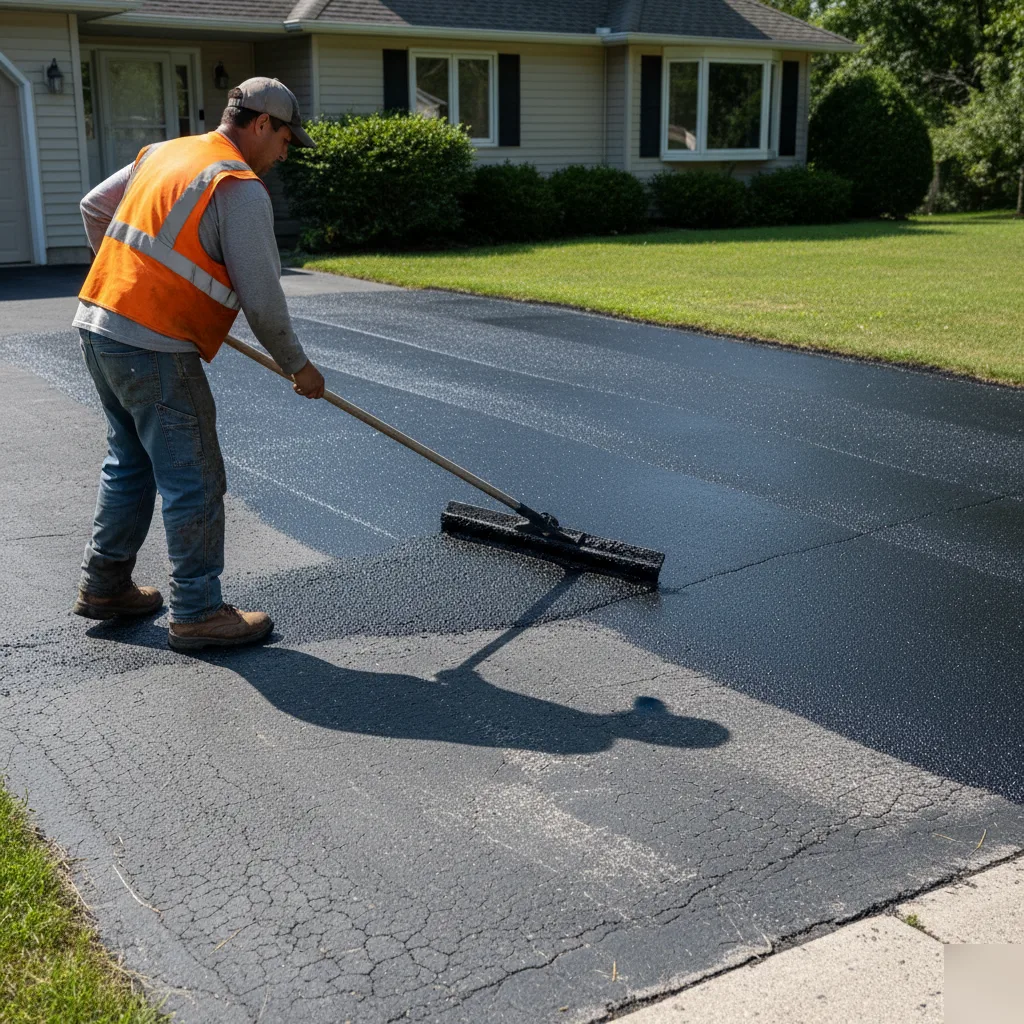
Here's the simple version. Sealcoating is a thin protective layer. It goes on asphalt that's still in decent shape. Think of it like a coat of paint, or sunscreen, for your driveway. It helps block UV rays, keeps water out, and fends off oil stains. But it won't fix cracks. It can't level uneven spots. And it certainly won't bring back a surface that's already crumbling.
Driveway resurfacing is a much bigger job. This adds a brand-new layer of material over your existing slab. That new layer bonds right to the old concrete or asphalt underneath. It covers existing damage, smooths out rough patches, and gives you a fresh surface that looks and performs like new again. This is where we shine.
When Each One Makes Sense
Knowing the difference saves you money. It also keeps you from having to do the wrong job twice. Here's what we tell folks:
- Sealcoating works best on asphalt driveways. They need minor wear only. No structural cracks.
- Driveway resurfacing handles surface-level damage. We're talking spalling, pitting, and those annoying hairline cracks on concrete.
- You'll need to reapply sealcoating every two to three years. It's a regular chore.
- A good resurfacing job lasts much longer. The new material is thicker, more durable. We guarantee our work for 10 years because we build it right.
Most people don't figure this out until it's too late, they've paid for sealcoating on a driveway that truly needed real repair. That thin coat peels off in months. It happens because the base underneath wasn't stable enough. It couldn't hold anything.
So, how do you know what your driveway needs?
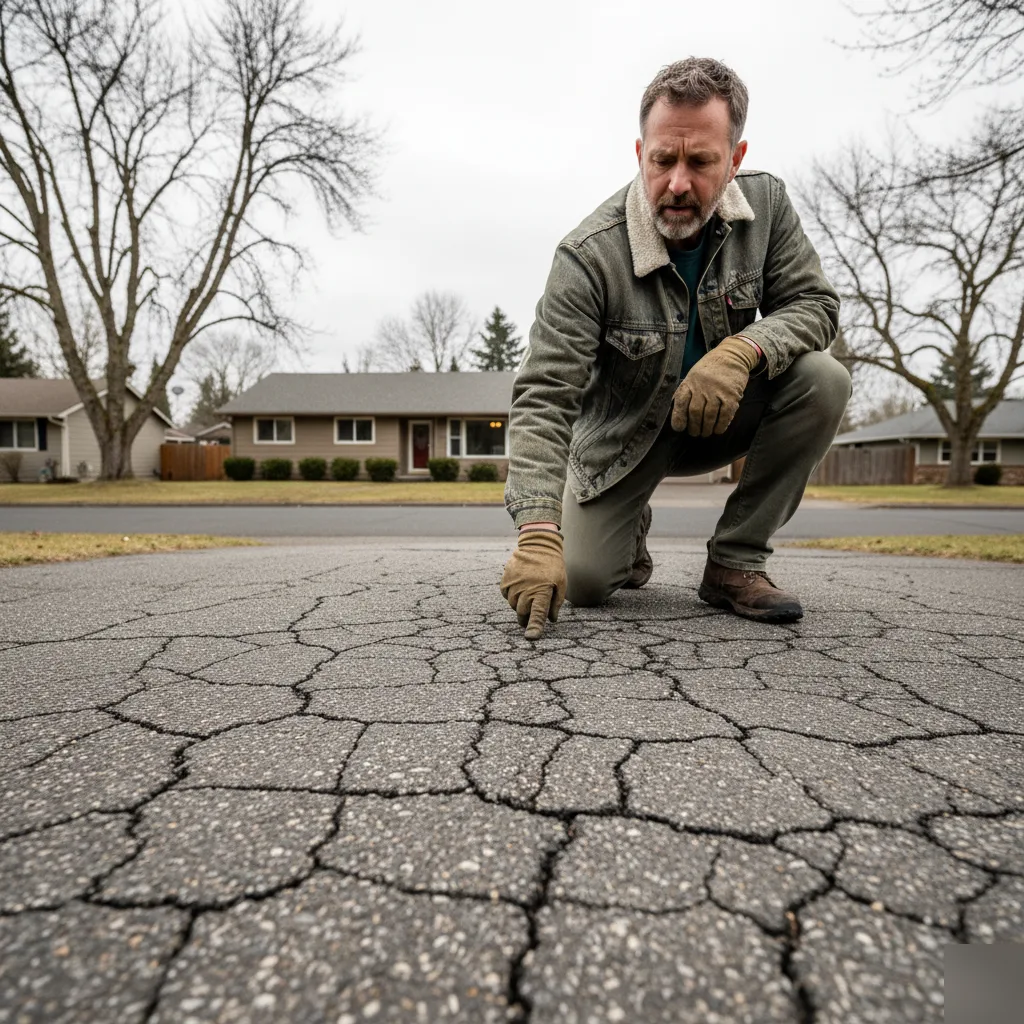
Walk your driveway. Look closely. If you see only small surface wear and the slab feels solid under your feet, sealcoating might be enough for an asphalt drive. But if there are cracks wider than a quarter inch, sunken spots especially near the garage, or big chunks missing along the edges — you're way past the sealcoating stage. That's when driveway resurfacing in Spokane becomes the right call, not the expensive one. Driveway resurfacing in Spokane done at the right time costs significantly less than waiting until the base fails completely and replacement is the only option left.
Why This Matters in Spokane Valley
Our freeze-thaw cycles are brutal. They destroy driveways. Water seeps into every tiny crack during fall rain. Then it freezes solid in winter. It expands, pushing those cracks wider. By spring, those tiny issues are serious problems. A sealcoat can't stop that destructive process once it's started, it just delays the inevitable. Only driveway resurfacing gives you a new surface thick enough. It handles another round of Spokane Valley winters like a champ.
We've seen driveways near the Greenacres area. They looked fine on the surface. But they had serious damage hiding underneath. One homeowner applied sealcoat two years in a row. Both times it failed within months. The real issue was concrete spalling, deep damage that needed a proper overlay. Once we resurfaced it the right way, the problem was gone.
And here's something else we want you to know. Sealcoating is really for asphalt. If your driveway is concrete, sealcoating isn't even the right product. You'd use concrete sealing products instead. Even those are just for maintenance, not for repair. Driveway resurfacing? That's the repair.
The bottom line is simple. Sealcoating protects what's already good. Driveway resurfacing fixes what's already broken. Choosing the wrong one wastes your time. It definitely wastes your budget. If you're not sure where your driveway stands, a quick look from our crew – people who do this work every day – can point you in the right direction. We're your neighbor's concrete guy, after all.
The Cheapest Driveway Resurfacing Options Ranked by Value
Not all driveway resurfacing methods cost the same. And, not all cheap options actually hold up. We see a lot of products that promise a quick fix but just don't stand up to Spokane's rough winters. Here's how the most common approaches stack up when you look at both the initial cost and the long-term results. Because lasting value is what truly matters.
- Concrete overlay. This is our go-to for most Spokane Valley homeowners. They want real results on a budget. A thin layer of new concrete goes right over your old slab. It bonds tight to the existing surface, covering cracks and stains. This gives you a fresh look, a truly renewed surface. We do more overlays than any other type of driveway resurfacing. It's the sweet spot: affordable, extremely durable. You can even add color or texture if you want something beyond plain gray – maybe a bit of character for your home built in the 70s.
- Concrete crack repair plus sealing. If your driveway only has a few problem spots, full resurfacing might not even be necessary yet. Targeted concrete crack repair followed by specific concrete sealing products can stretch your driveway's life by years. This is usually the least expensive route you can take. But it only works when the overall surface is still in decent shape. We're talking minor, isolated cracks, not widespread damage.
- Decorative concrete overlays. These cost a bit more than a basic overlay, sure. But you get a stamped or colored finish. It can look like natural stone, brick, or even tile. The base process is the same as a standard overlay. The decorative step just adds serious visual appeal. No tearing anything out. For homes near Greenacres or along Sprague Avenue, we've noticed decorative concrete overlays really boost curb appeal. People love the upgraded look without the crazy expense.
- Stained concrete. Already have a solid slab that just looks tired? Stained concrete transforms the color without adding any thickness. The stain soaks deep into the surface. The result is a rich, lasting color that won't peel or chip away. This works best on driveways with minimal cracking. We're talking cosmetic updates, not structural repairs. It's a great option if the "bones" of your driveway are still perfectly sound.
Why Overlays Beat Full Replacement
A full driveway tear-out means jackhammers. It means dump trucks. It means days of work, noise, and disruption. An overlay skips all of that. Your old concrete becomes the foundation for the new layer. Less labor. Less waste. Less time. Plus, it's easier to schedule and complete – remember, we've completed 847 consecutive projects on schedule.
Most people don't realize this until it's too late: pouring brand-new concrete over a torn-out base doesn't always last longer than a properly done overlay. The key is surface prep. If the old slab is cleaned, repaired, and profiled correctly, the overlay bonds tight. It performs for years. Our proprietary process ensures that bond.
We see this mistake often. Someone assumes their driveway needs a complete redo. Really, it just needs good resurfacing. That assumption can triple the project scope. And for no real benefit.
What Makes One Option Better Than Another for Your Driveway
The right choice always depends on your driveway's current condition. Here's a quick way to think it through:
- Mostly cosmetic damage? Discoloration or light surface wear? Stained concrete or sealing is your best bet for a refresh.
- Scattered cracks but a stable base underneath? Concrete crack repair plus an overlay handles that well, stopping winter damage in its tracks.
- Surface is rough, pitted, or spalling in several areas? A full concrete overlay or decorative concrete overlay makes the most sense. It gives you a clean slate.
- Large sections are heaving or sinking? That's a structural issue. Resurfacing alone won't fix it. You have bigger problems.
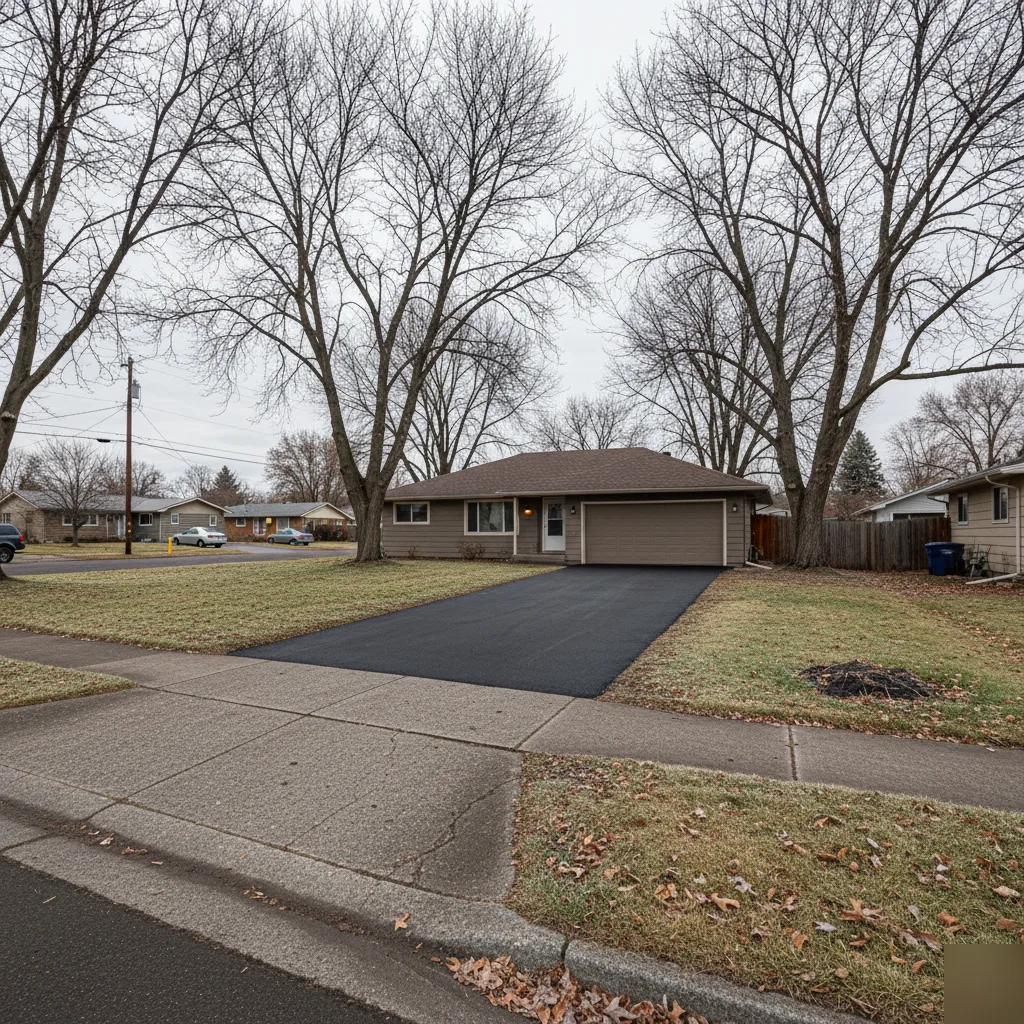
Spokane Valley's freeze-thaw cycles are tough on concrete. Water gets into small cracks in fall. It freezes over winter, pushing those cracks wider by spring. That's why catching things early matters so much here. A driveway that only needs crack repair this year might need a full overlay next year if you wait. Don't put it off.
So which option gives you the most for the least? For most driveways in our area, especially those older ones built in the 60s and 70s, a concrete overlay ranks first. It covers existing damage. It creates a brand new wearing surface. And it costs a fraction of full replacement. If you're curious whether your driveway is a good candidate, our driveway resurfacing page walks through what we look for during an evaluation. We're the winter-proof concrete specialists, what lasts here.
When Resurfacing Works, And When It Will Fail
Not every driveway is a good candidate for resurfacing. That's the honest truth. Most people don't hear it until they've already spent money on a failed attempt. Resurfacing works great on concrete that's still structurally sound. Hairline cracks, surface pitting, minor spalling, faded color. Those are all fixable with a proper overlay. We handle them all the time.
But if your slab has shifted. If it's heaved. Or if it's sunk more than a quarter inch in spots, resurfacing simply won't hold. You need a deeper fix.
Here's how we think about it after years of working on driveways across Spokane Valley. The surface is the skin. The slab underneath is the skeleton. You can fix damaged skin. You can't fix a broken skeleton just by covering it up. A resurfacing layer bonds to the existing concrete, so if that base is unstable, the new layer cracks right along with it. It’s like putting a bandage on a broken bone.
Signs Resurfacing Will Work
Before you commit to anything, walk your driveway slowly. Look for these specific things:
- Surface cracks are less than a quarter inch wide. There's no vertical displacement (one side isn't higher than the other).
- You see rough texture or pitting. This is common from Spokane's freeze-thaw cycles. But there's no deep erosion, no significant crumbling.
- There's staining or discoloration. And cleaning won't fix it. You want a fresh look.
- The slab feels solid when you tap it. No hollow spots underfoot. This is.
If your driveway checks those boxes, resurfacing is a smart move. You'll get a fresh surface that lasts years. And you won't need to tear out the old concrete. That saves a ton of hassle and cost.
Red Flags That Mean Trouble
Some damage simply goes too deep. We see this mistake all the time in neighborhoods near the Spokane River and along Sprague Avenue. Soil movement and drainage issues are common there. Homeowners resurface over serious problems. Then they wonder why the new layer failed within a season. It's predictable, really.
Watch out for these warning signs:
- Wide cracks where one side is clearly higher than the other. This indicates serious slab movement.
- Sections of concrete that rock. Or feel loose underfoot. That's a sign of a failing base.
- Large areas where the surface has crumbled down to the aggregate. The top layer is simply gone.
- Standing water that pools in the same spot every time it rains. Bad drainage destroys concrete fast.
Any of those usually means the base layer needs concrete repair first. Sometimes a section can be cut out and replaced. Then the whole driveway gets resurfaced to match. Other times, full replacement is the only real answer. We give it to you straight.
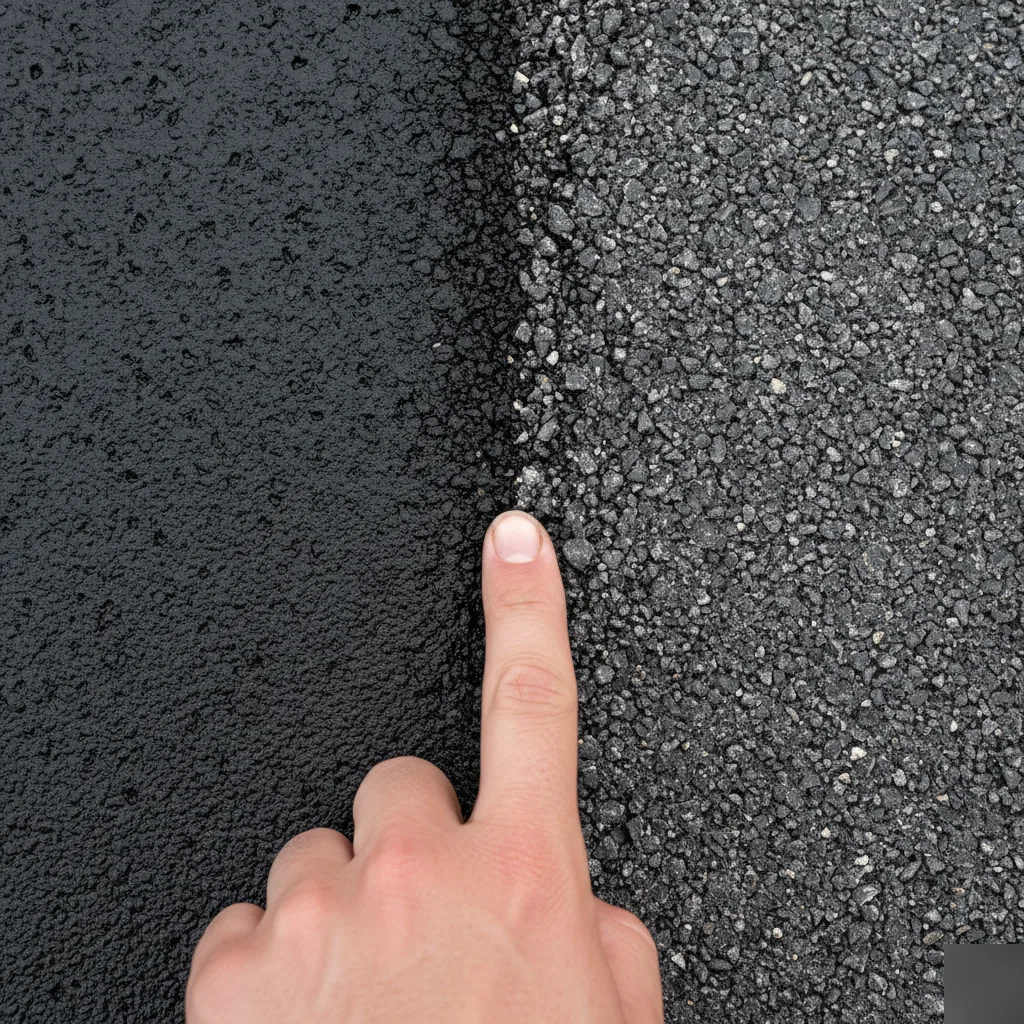
So how do you know for sure? Get someone to look at it. A quick, honest assessment of the slab's condition saves you from wasting money. Money spent on a fix that won't stick. We've had homeowners in the Greenacres area show us driveways where a previous resurfacing job peeled off in sheets. All because the underlying cracks weren't addressed first. Our winter damage prevention system starts with a thorough evaluation.
One thing people often overlook is drainage. Spokane Valley gets cold, wet winters. Water seeps into cracks, freezes, expands. That cycle destroys weak concrete fast. If your driveway doesn't drain properly, even a perfect resurfacing job will break down quicker than it should. Fixing the grade or adding a simple channel drain before resurfacing makes a huge difference. It's a step many contractors skip, but we won't.
And here's something worth remembering. Resurfacing isn't just cosmetic. A good driveway resurfacing job includes concrete crack repair on anything that could spread. It includes proper surface prep with grinding or shot blasting. It includes a strong bonding agent. That makes sure the new layer grips tight. Skip any of those steps? The whole thing fails. We don't skip steps.
The cheapest path forward is always the one that works the first time. If your driveway's bones are solid, resurfacing gives you a like-new surface. It’s a fraction of full replacement cost. If the bones are broken, though, no amount of overlay will save it. We're the concrete specialists who laugh at Spokane winters – but we have to build on a solid foundation.

Frequently Asked Questions
What is the cheapest way to resurface a driveway without sacrificing quality?
A concrete overlay is the most affordable option that still holds up long-term. It bonds directly to your existing slab and covers cracks, stains, and rough spots. You get a fresh surface without tearing anything out. If damage is minor and isolated, targeted crack repair plus concrete sealing costs even less. The key is matching the method to your driveway's actual condition — the wrong choice costs more in the long run.
Is sealcoating the same as resurfacing, or am I wasting money on the wrong fix?
Sealcoating and resurfacing are completely different things — this is one of the most common mistakes homeowners make. Sealcoating is a thin protective coat for asphalt that is already in good shape. It cannot fix cracks or level sunken spots. Resurfacing adds a full new layer of material over your existing slab. If your driveway has cracks wider than a quarter inch or sunken areas near the garage, sealcoating will fail fast. You need real resurfacing.
Do decorative concrete overlays actually hold up, or are they just for looks?
Decorative concrete overlays are just as durable as standard overlays — the decorative finish is added on top of the same solid base process. Stamped or colored finishes do not weaken the surface. Homeowners near Greenacres and along Sprague Avenue have used them to boost curb appeal without a full replacement. The color and texture are built into the material, so they do not peel or chip the way paint would.
How do Spokane Valley winters affect which resurfacing method I should choose?
Spokane Valley's freeze-thaw cycles are hard on driveways. Water gets into small cracks in fall, freezes in winter, and pushes those cracks wider. A thin sealcoat cannot stop that process once it has started. You need a resurfacing method that adds real thickness and bonds tight to the old surface. That is why concrete overlays work so well here — they give you a durable new layer that can handle another round of tough winters.
When should I call a professional instead of trying to resurface my driveway myself?
Call a professional when you see cracks wider than a quarter inch, sunken spots, or chunks missing along the edges. DIY patching products can fill small holes, but they rarely bond well enough to last through Spokane Valley winters. If the damage is widespread or the base feels soft underfoot, a professional overlay or repair is the smarter move. Getting it done right the first time saves you from paying twice.
Can I resurface a concrete driveway, or is resurfacing only for asphalt?
You can absolutely resurface a concrete driveway — in fact, concrete overlays are one of the best options available. Resurfacing works on both concrete and asphalt surfaces. What changes is the product used and how the surface is prepared. Sealcoating, on the other hand, is made for asphalt only. If your driveway is concrete and someone recommends sealcoating it, that is the wrong product for your surface.
Ready to Experience the Concrete Revival Difference?
Complete Service Area Coverage
- Spokane and Spokane Valley
- Coeur d'Alene metro area
- Deer Park and Newport
- Liberty Lake and Otis Orchards
- Cheney and Medical Lake
- Post Falls and Rathdrum