
What Is the Cheapest Way to Repair a Driveway? Budget-Friendly Options Explained for Spokane Valley Homeowners
Small Driveway Cracks Are the Cheapest Fix You Can Make
Here's something most homeowners don't realize until it's too late. That tiny crack in your driveway? It's not just cosmetic. It's an invitation for water, ice, and weeds to turn a small problem into a big one. And in Spokane Valley, where freeze-thaw cycles hit hard from November through March, a hairline crack can become a crumbling mess in a single winter which is exactly why timely Spokane driveway repair makes all the difference.
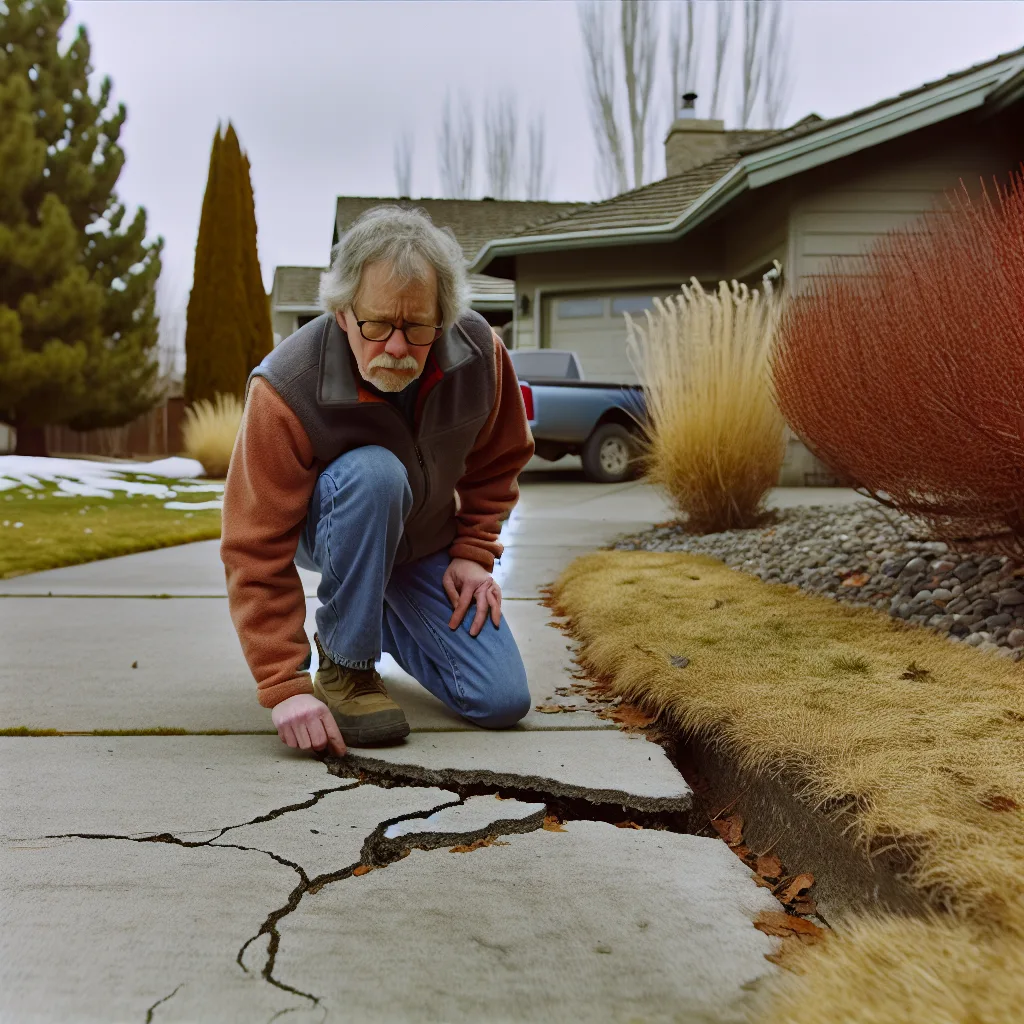
The good news is simple. Fixing small cracks is the cheapest driveway repair you can make. Period.
We're talking about cracks that are less than half an inch wide. These are surface-level fractures that haven't reached the base layer of your driveway yet. They show up for all kinds of reasons. Settling soil underneath. Tree roots pushing from below. Years of sun exposure drying out the surface. Normal wear from cars pulling in and out every day.
So what actually works for these small cracks? Crack filler or sealant applied directly into the gap. For concrete driveways, you'd use a concrete crack filler. For, a rubberized crack sealant does the job. The process is straightforward. Clean out the crack, remove any loose debris, and apply the filler according to the product directions. Most fillers cure within 24 hours.
But here's the part people skip. Cleaning the crack properly matters more than the filler itself. We see this mistake all the time. Someone squeezes filler into a dirty crack full of sand and old debris. It peels out within weeks. You need to use a wire brush or even a pressure washer to get that crack completely clean before you fill it. Dry it out. Then apply.
For cracks that are deeper than half an inch but still narrow, you'll want to use a backer rod first. That's a foam rope you push into the crack to create a base. Then you apply filler on top. This keeps you from wasting product and gives the sealant something to bond against. It's a small step that makes a real difference in how long the repair holds up.
Think about it this way. Imagine you've got a driveway near the Centennial Trail area with a few cracks running across the surface. Nothing dramatic. Just those spiderweb lines that show up after a few years. If you catch them now and fill them, you've spent an afternoon and a minimal amount on materials. Ignore them through another Spokane Valley winter, and water seeps in, freezes, expands, and breaks those cracks wide open. Now you're looking at patching or even resurfacing.
The U.S. Department of Housing and Urban Development notes that regular maintenance like crack sealing can extend pavement life compared to surfaces left unrepaired. That's not surprising when you think about what water damage does over time.
Timing matters too. The best window for crack repair in our area is late spring through early fall. You want dry conditions and temperatures above 50 degrees for most fillers to cure properly. Trying to seal cracks in November when overnight temps drop below freezing? That filler won't bond right. Plan ahead.
One scenario we run into often. A homeowner notices cracks in spring after the snow melts. They think, "I'll get to it this summer." Summer comes and goes. By the time they remember, it's October and the window is closing. Don't let that be you.
And what about those cracks that are wider than half an inch? Or ones where the edges are raised or sunken? Those have moved beyond the simple fill-and-seal category. They usually signal a deeper issue with the base or subgrade underneath. You can still address them affordably, but the approach changes. That's where professional driveway repair assessment helps you avoid spending money on a fix that won't last.
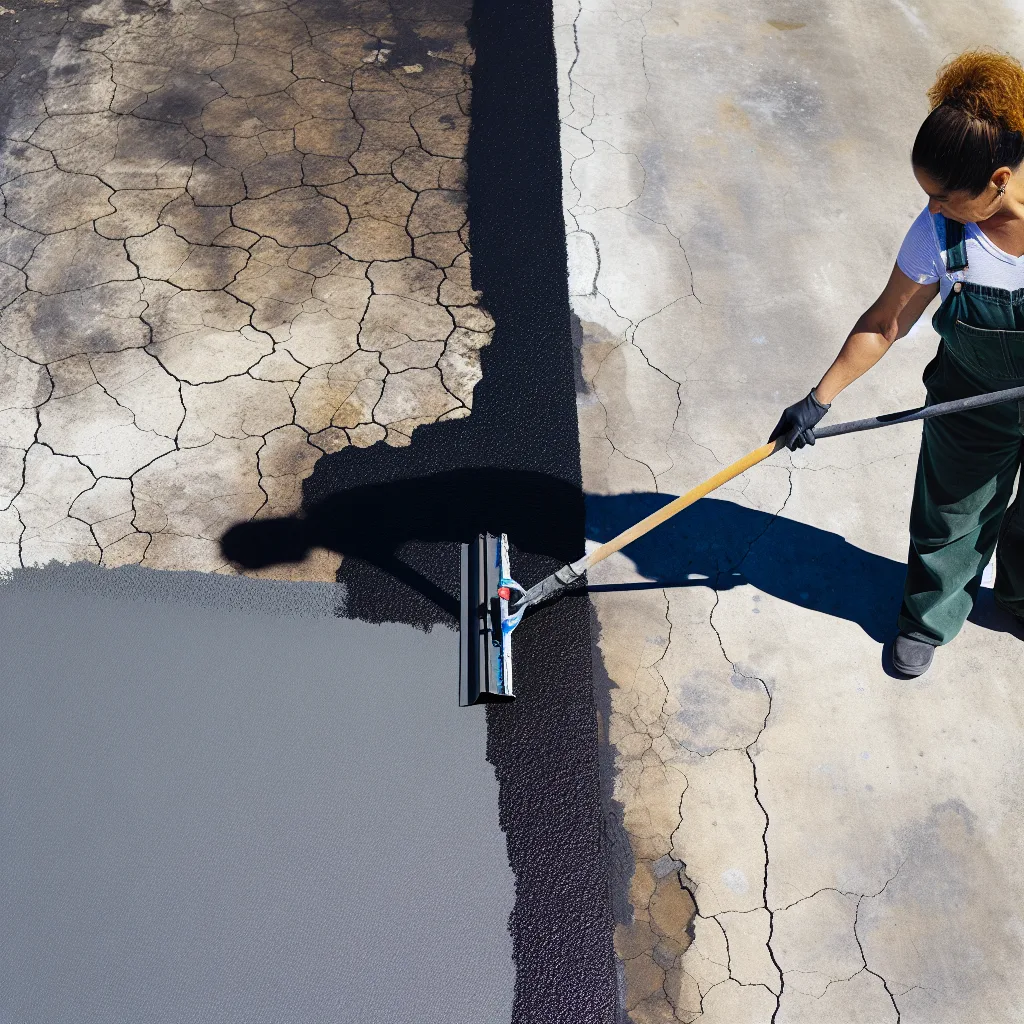
Here's a quick way to evaluate your cracks. Grab a quarter. If the crack is thinner than the quarter's edge, you're in DIY territory. If it's wider, or if the concrete or around it is crumbling, flaking, or sinking, the damage has progressed past what surface filler can handle.
One more thing worth knowing. Filling cracks isn't just about the crack itself. It's about protecting everything around it. Water that enters through a crack doesn't just sit there. It travels underneath, softening the gravel base and eroding the soil. Over time, this creates voids. Those voids lead to sinking, potholes, and structural failure. A five-minute crack repair today prevents a much bigger headache next year.
Small cracks are your driveway giving you a warning. Listen to it.
Driveway Resurfacing Costs Less Than Replacement and Lasts for Years
Here's something most homeowners don't realize until it's too late. A full driveway replacement tears out everything down to the base layer. Resurfacing? It keeps that existing base intact and adds a fresh layer right on top. The difference in labor, materials, and time is massive.
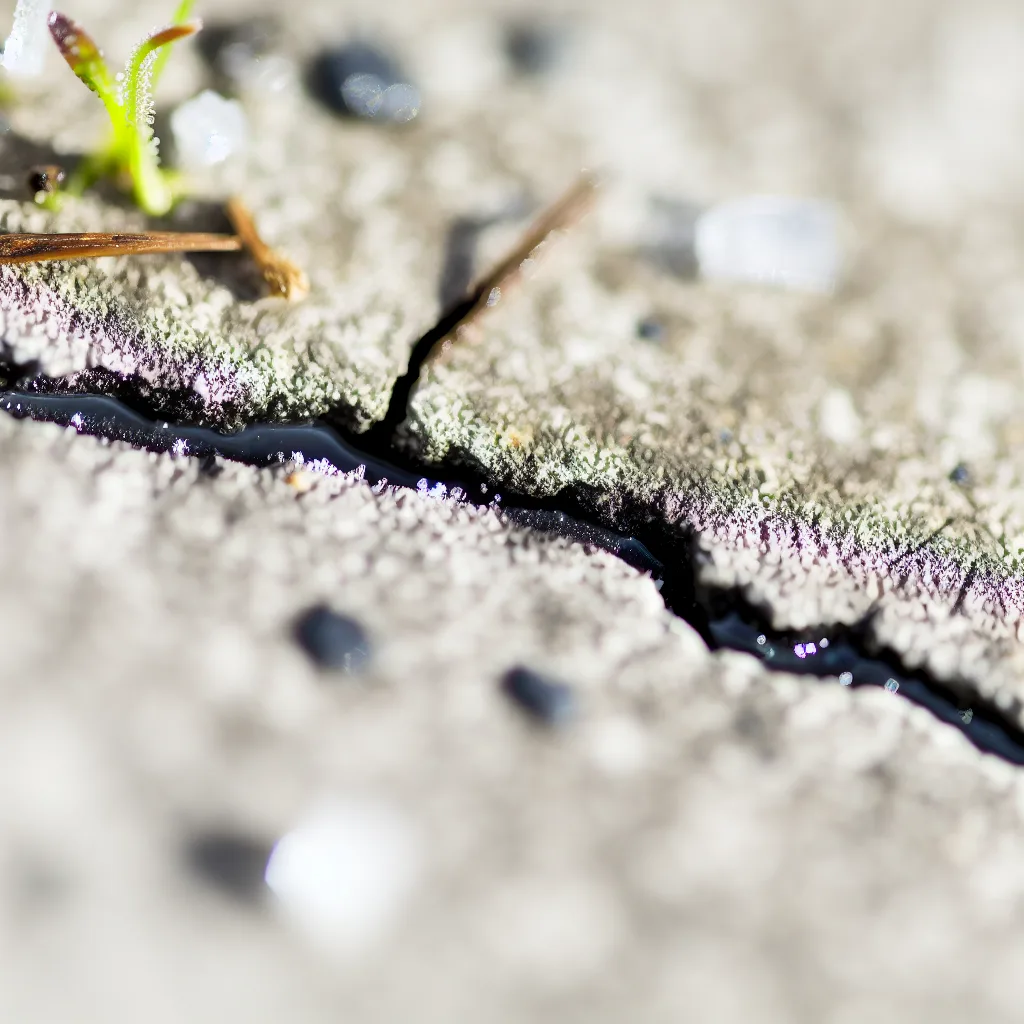
Think of it like refinishing hardwood floors instead of ripping them out. The foundation underneath is still solid. You're just giving the surface a new life.
Resurfacing works best when your driveway has surface-level damage. We're talking about shallow cracks, minor pitting, faded color, or rough texture. If the base underneath hasn't shifted or crumbled, there's a very good chance resurfacing will handle everything you need. And it can add years of usable life to a driveway that looks like it's on its last legs.
We see this mistake all the time in Spokane Valley. A homeowner looks at their cracked, worn-out driveway and assumes the whole thing needs to go. They start getting quotes for full removal and replacement. But once we take a closer look, the sub-base is perfectly fine. The damage is only skin deep. That changes everything.
So what does resurfacing actually involve? For concrete driveways, the process starts with a thorough cleaning. Power washing removes dirt, loose material, and any flaking concrete. Then a bonding agent gets applied so the new layer sticks properly. After that, a thin overlay of fresh concrete or a polymer-modified resurfacer goes down. The result looks brand new.
For driveways, the process is similar but uses different materials. Crews clean the surface, fill any existing cracks, and then apply a new overlay. This overlay bonds to the old surface and creates a smooth, uniform finish. It's the same approach road crews use on public streets throughout the Spokane Valley area, just on a smaller scale.
One important thing to understand. Resurfacing isn't a magic fix for every situation. If your driveway has deep structural cracks, large sunken areas, or tree root damage pushing up from below, resurfacing won't solve those problems. It'll just cover them temporarily. The issues will come back through the new surface within a season or two.
How do you tell the difference? A quick test. Look at the cracks in your driveway. Are they less than a quarter-inch wide and mostly on the surface? Resurfacing should work great. Are they wider than half an inch, deep enough to see the gravel base, or causing sections to shift at different heights? That's structural damage, and resurfacing alone won't cut it.
But here's the good news. Most driveways we evaluate in neighborhoods like Greenacres and the areas near Mirabeau Point fall into the "resurfacing will work" category. Spokane Valley's freeze-thaw cycles cause a lot of surface deterioration, but the compacted base layers hold up surprisingly well over time. The top layer takes the beating so the foundation doesn't have to.
If you're weighing whether to resurface or replace, it helps to understand how different driveway surface materials perform over time. Cornell University's resource on how to choose a driveway surface for your home breaks down the key factors that affect durability and long-term maintenance costs across material types.
According to the National Association of Home Builders, a properly resurfaced concrete driveway can perform well for eight to fifteen years depending on climate and maintenance. That's a significant return for a fraction of the cost and disruption of full replacement.
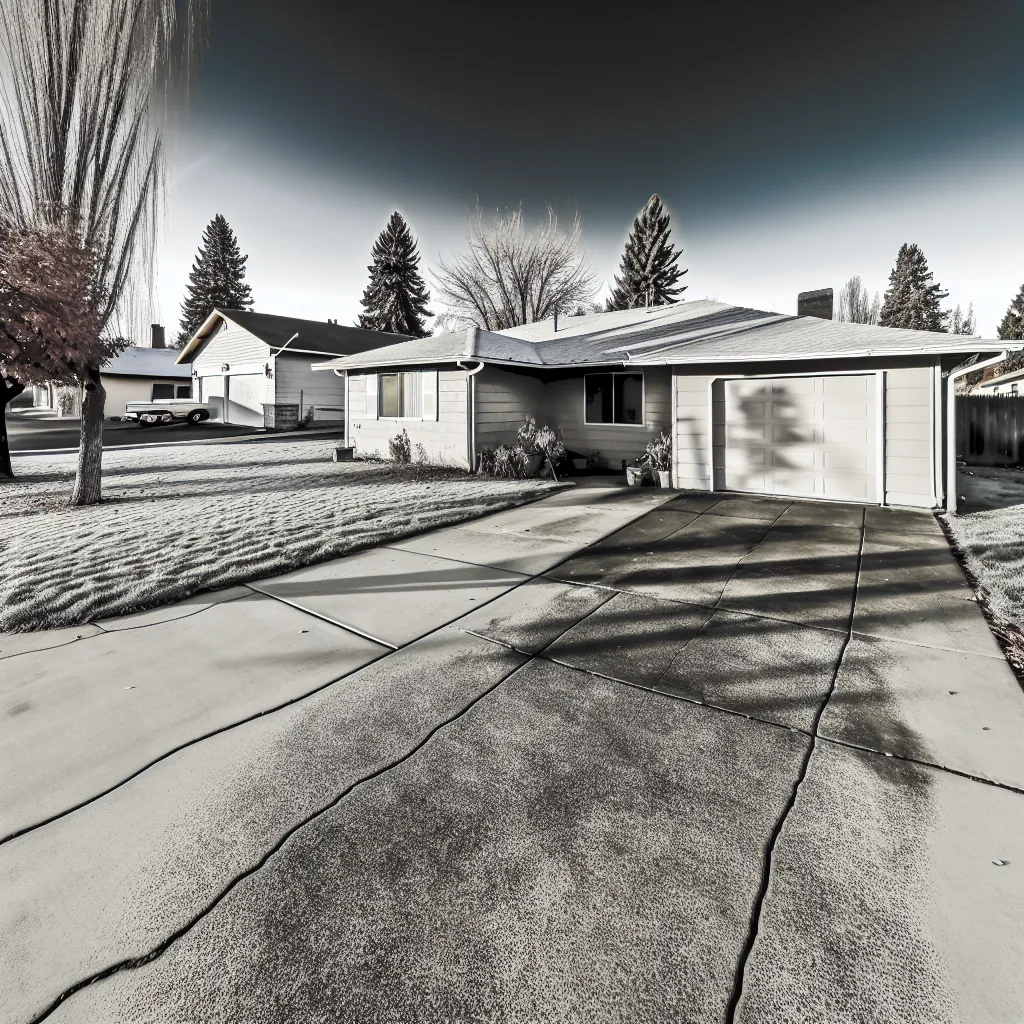
The time savings matter too. A full driveway replacement can take several days between demolition, hauling away debris, preparing the base, and pouring new material. Resurfacing often wraps up in a single day for an average-sized driveway. Less time means less disruption to your daily routine and fewer days with your vehicles parked on the street.
Most people don't realize this until it's too late, but timing matters for resurfacing projects. You want temperatures consistently above 50 degrees Fahrenheit for the materials to cure properly. In Spokane Valley, that typically means scheduling between late spring and early fall. Trying to resurface during cold snaps leads to poor adhesion and premature failure.
If you're looking at your driveway right now and wondering whether resurfacing could work for your situation, our driveway repair page walks through the options we offer and how to get started. Sometimes a quick assessment is all it takes to save yourself thousands compared to a full replacement.
One more thing worth mentioning. Resurfacing also gives you a chance to change the look of your driveway. Stamped overlays, colored finishes, and textured surfaces are all possible during the resurfacing process. You're not just repairing damage. You're upgrading the curb appeal of your entire property at the same time.
Frequently Asked Questions
What is the cheapest way to repair a driveway in Spokane Valley?
Can I repair my driveway myself or should I call a professional?
What is the biggest mistake homeowners make when filling driveway cracks?
How does Spokane Valley's climate affect driveway repairs?
Does driveway resurfacing actually work, or is it just a temporary fix?
Are cracks near the Centennial Trail area in Spokane Valley a sign of serious driveway damage?
Ready to Experience the Concrete Revival Difference?
Complete Service Area Coverage
- Spokane and Spokane Valley
- Coeur d'Alene metro area
- Deer Park and Newport
- Liberty Lake and Otis Orchards
- Cheney and Medical Lake
- Post Falls and Rathdrum