
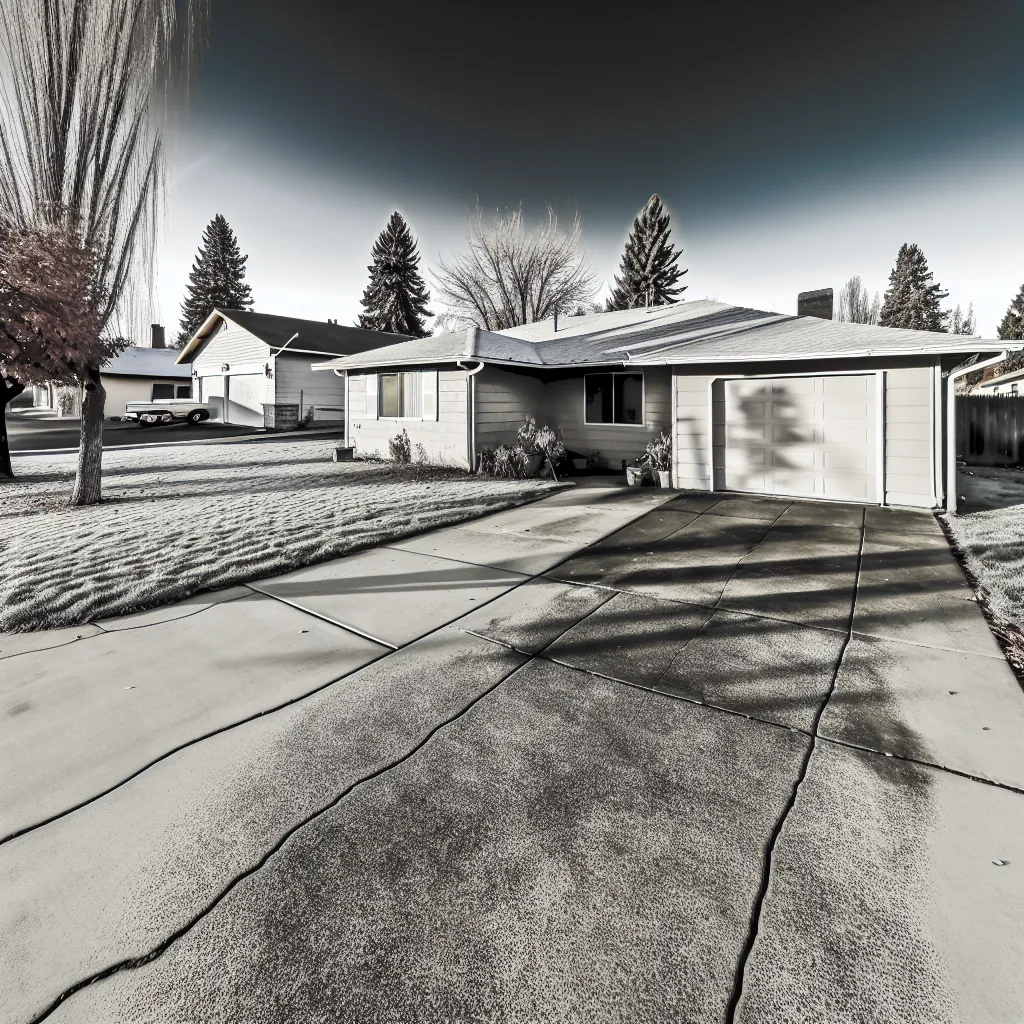
Resurface vs Replace: Which Is Better for Your Spokane Valley Driveway?
Driveway resurfacing puts a fresh layer of asphalt over your existing driveway and keeps the old base underneath. Replacement tears everything out down to the dirt and rebuilds from the ground up. The real question is whether the base under your driveway is still solid.
What Resurfacing and Replacement Mean
Most homeowners hear these two words thrown around like they mean the same thing. They don't. And mixing them up is how people end up paying for the wrong job.
Driveway resurfacing is a top-layer fix. We clean the old surface and repair the worst cracks. Then we lay a new coat of hot asphalt right over the top. Most overlays run about one and a half to two inches thick. Your old driveway stays put underneath. It becomes the foundation for the new surface.
Replacement is a whole different animal.
With a full replacement, the old asphalt gets broken up and hauled away. So does any bad base material below it. The crew regrades the ground for drainage. Then they bring in fresh crushed gravel and compact it hard. Only after that does new asphalt go down. You're getting a brand new driveway, top to bottom.
Here's how the two jobs stack up side by side:
- Resurfacing keeps your existing base and adds a new asphalt layer on top
- Replacement removes the old asphalt and rebuilds the gravel base underneath
- A resurfacing job usually wraps up faster with less tear-out and mess
- Only replacement can fix drainage problems or soft spots hiding below the surface
See the pattern? It all comes back to the base. A new top layer can only be as strong as what's holding it up.
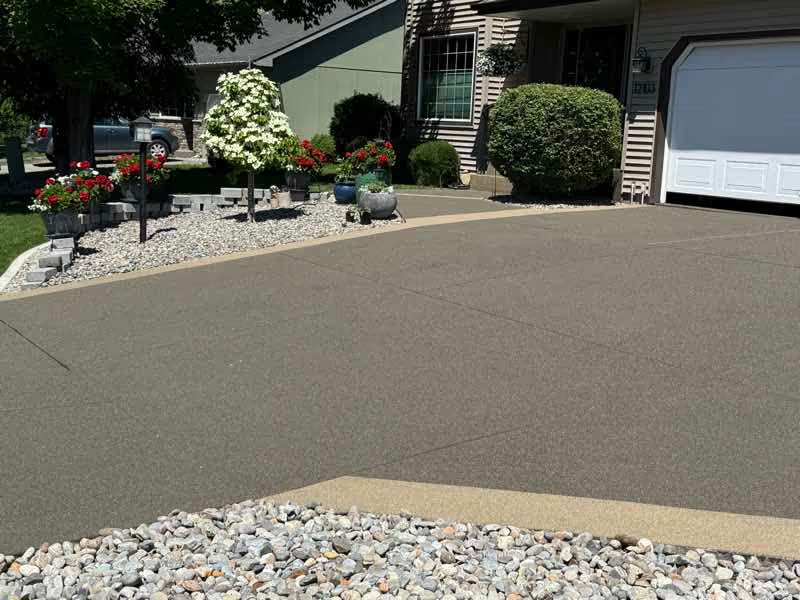
That's where Spokane Valley weather makes things tricky. Our winters swing above and below freezing over and over. Water sneaks into cracks, freezes, and expands. Then it thaws and the cycle starts again. Over a few winters, that pushes the asphalt apart and can wash out the gravel below. Once the base gets soft or uneven, a fresh overlay won't save it.
We've seen this play out a hundred times. A homeowner off Sullivan Road had a driveway resurfaced a few years back by another crew. It looked great that first summer. But by the second spring, the same old cracks were showing right back through the new layer. Nobody checked the base, the problems just got buried for a while.
That's called reflective cracking. Old damage shows through new asphalt. It's the most common resurfacing failure we run into around here.
So before we quote either job, we walk the whole driveway. We push on low spots. We look at where water pools after a rain. We check if cracks run in one line or spread out like a spider web. Spider-web cracking, sometimes called alligator cracking, is often a sign of a base problem. Long single cracks are often just surface wear.
Not glamorous work. But it tells you which job you need.
Neither option is better across the board. Resurfacing is a smart move when your base is solid and the damage is only skin deep. Replacement makes sense when the problem runs deeper than the surface. Knowing what each one really does is the first step to picking the right one for your driveway.
Why the Base Matters More Than the Surface Cracks
Here's the truth most homeowners don't want to hear. The cracks on top usually aren't the real problem. They're the symptom. Not the root cause.
Your asphalt driveway sits on a layer of packed gravel. That base carries the weight of every car you park. If the base is solid, a new top layer can hold up for years. But if the base is failing, fresh asphalt on top won't save it.
Driveway resurfacing fixes the surface, not what's under it.
Spokane Valley winters are rough on that base. Water slips into cracks and soaks the gravel below. Then it freezes overnight and expands. It thaws by afternoon, the cycle starts again. We see that back-and-forth from November well into March. Over time, the gravel shifts and loses its grip. That's how a thin crack turns into a soft, sinking spot.
So how do you know what's going on down there? You can't dig up your driveway to check. But the surface gives you clues. Here's what we look for on every walk-through:
- Alligator cracking, a web of small linked cracks that looks like reptile skin
- Low spots where water still sits a day after rain
- Ruts or dips right where your tires always roll
- Edges crumbling off into the lawn
- Potholes that keep coming back no matter how often you patch them
One or two of these in a small area? That's often a fixable spot. If they show up across the whole driveway, the base is likely shot.
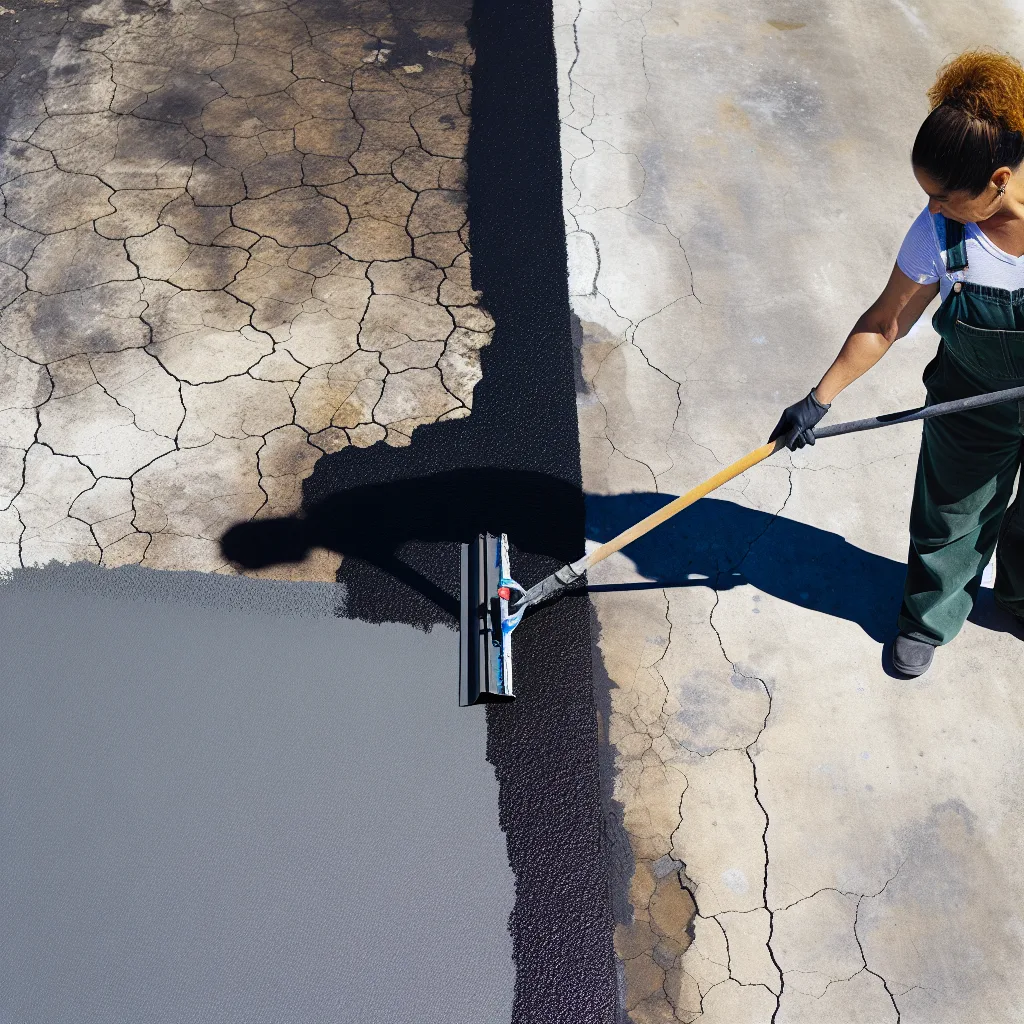
We worked with a homeowner off Sullivan Road who'd resurfaced three years earlier with another crew. The new layer looked great for one season. By the second spring, the old cracks were back in the exact same places. That's called reflective cracking. The base had been soft the whole time. The new asphalt just copied what was underneath.
We've seen this pattern a hundred times. Most homeowners wait too long, then end up doing the job twice.
Drainage plays a big part too. Does water run toward your garage or pool along one side? Then it's feeding the base all year long. Fixing the surface without fixing the water flow only buys you time.
Our rule of thumb: Surface damage only usually means driveway resurfacing is on the table. Base damage means replacement is the smarter call.
And if you're not sure which one you've got, that's exactly what a site visit is for. We'll check how the driveway flexes and where water goes. We'll also look at how the cracks are spreading. It takes the guesswork out of it.
Three Driveway Scenarios and What They Usually Mean
Most driveways we look at in Spokane Valley fall into one of three buckets. Once you know which bucket yours is in, the resurface vs replace question gets a lot easier. Walk out front and compare what you see to these.
Scenario one: the tired but solid driveway. The surface looks gray and faded. You see small hairline cracks and some loose gravel near the edges. But nothing sinks when you drive on it. Water drains off instead of pooling.
This is the classic resurfacing job. The base underneath is still doing its work, the top layer is just worn out from sun and snowplows. A fresh overlay seals those small cracks before winter water gets in and freezes. We tell homeowners in this spot to act soon. Wait two more Spokane winters and scenario one turns into scenario two.
Scenario two: the mixed bag. Most of the driveway looks fine. Then there's that one patch near the garage or by the downspout. Spiderweb cracks. Maybe a shallow pothole that grows every spring.
Here's where it gets tricky. Those spiderweb cracks, often called alligator cracking, usually mean the base has failed in that spot. Water got under the asphalt, froze, expanded, and pushed it apart. So a resurface over the top won't hold there. The cracks come right back through the new layer, often in one season.
The fix is usually a combo. Dig out and repair the failed base spots first. Then resurface the whole thing. And if those bad spots cover a big chunk of the driveway? That's when it starts leaning toward scenario three.
Field tip: Look at where your downspouts dump water. We've seen this crack pattern a hundred times, right where the roof runoff hits the driveway and soaks the base all winter.
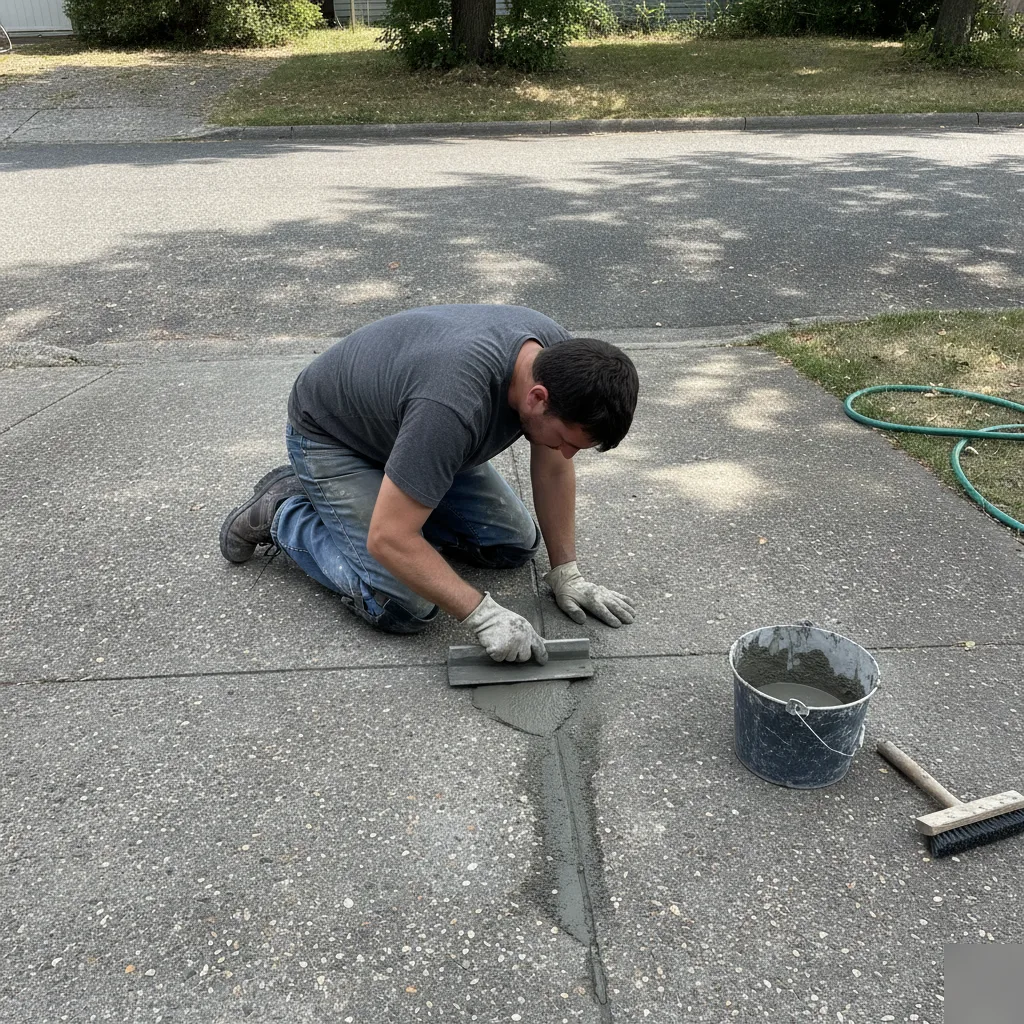
Scenario three: the driveway that's done. You've got cracks running across most of the surface. Low spots hold puddles for days after rain. Some sections heaved up after a hard freeze and never settled back. Edges are crumbling into the yard.
No amount of resurfacing saves this one.
The problem isn't the top layer anymore. It's the ground underneath. Spokane Valley gets plenty of freeze-thaw swings every winter, and each one works water deeper into a weak base. Putting new asphalt over that is like painting a rotten fence. Looks good for a while, then fails fast. Full replacement lets you rebuild the base and fix drainage the right way.
A quick way to sort yourself out:
- Surface wear and small cracks only, with good drainage: resurfacing is probably your answer
- One or two areas of spiderweb cracking or potholes: repair the base there, then resurface
- Widespread cracking, sinking, heaving, or standing water: plan on replacement
Most homeowners wait too long. They see scenario one, figure it can hold off, and call us when it's scenario three. Catching it early is the cheapest move you'll ever make on a driveway.
Not sure which one you've got? Pretty common. Cracks can look worse or better than they really are, and the base is hard to judge from the surface. In our 11 years working Spokane Valley driveways, a hands-on look has always beaten a guess from the porch.
Frequently Asked Questions About Resurfacing vs Replacing an Asphalt Driveway
How do I know if my driveway needs resurfacing or full replacement?
You can tell by looking at the cracks and checking for soft spots. Small hairline cracks in one area often mean resurfacing will work. Spider-web or alligator cracking spread across the whole driveway usually points to a failed base, which needs replacement. Low spots where water sits, crumbling edges, and potholes that keep coming back are also signs the base is gone. If you're unsure, a site visit can settle it fast.
What is reflective cracking and why does it happen?
Reflective cracking is when old damage shows through a new asphalt layer. It happens when a crew resurfaces over a bad base without fixing what's underneath. The new top coat looks fine for a season, then the same cracks creep back through. We've seen this near Sullivan Road, where a driveway resurfaced by another crew showed the old cracks again by the second spring. It's the most common resurfacing failure we run into.
Why do Spokane Valley winters cause so much driveway damage?
Spokane Valley winters swing above and below freezing again and again, and that cycle breaks driveways down fast. Water gets into cracks, freezes, and expands. It thaws, then freezes again days later. This happens from November through March most years. Over a few winters, that cycle pushes asphalt apart and washes gravel out from under it. Once the base softens, a fresh top layer alone won't hold up.
Can I fix a soft or sinking driveway spot without replacing the whole thing?
Sometimes, but it depends on how far the damage has spread. One or two soft spots in a small area can often be patched or addressed with a partial fix. If soft spots or ruts show up across the whole driveway, the base is likely failing everywhere, not just in one spot. In that case, resurfacing just buries the problem for a while. A full base rebuild is usually the smarter long-term move.
Does standing water on my driveway mean I need a new base?
Standing water is a strong warning sign, but it doesn't always mean you need a full rebuild. If water pools in one low spot after rain, that area may just need regrading. If water runs toward your garage or collects along one whole side, it's likely feeding the gravel base all year. That ongoing moisture weakens the ground under your asphalt. Fixing the surface without fixing drainage only buys you time.
What should I look for during a driveway inspection before choosing resurfacing or replacement?
Look at how cracks are shaped, where water sits, and whether low spots match up with where your tires roll. Long single cracks usually mean surface wear. Web-like cracking across wide areas usually means the base is struggling. Edges crumbling into the lawn and potholes that keep returning are also red flags. This is exactly the kind of walk-through we do before quoting any job, which is covered in more detail on our driveway resurfacing and replacement page.