
Residential Driveway Repair: A Homeowner's Guide for Spokane Valley Properties
Signs Your Driveway Needs Repair
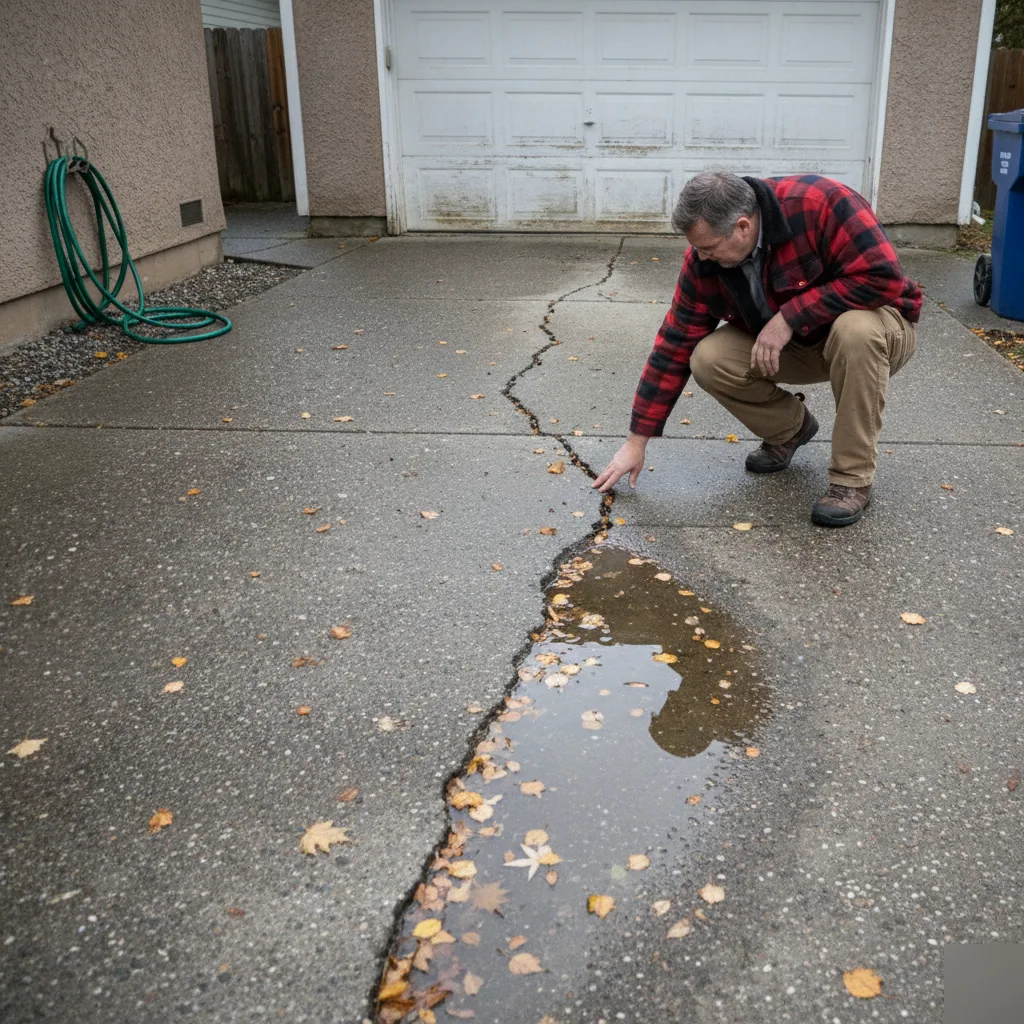
Your driveway talks. Many folks just don't catch what it's saying. A crack. A sunken spot. A puddle that never dries by the garage door. These aren't minor things. They're big warnings. Spokane Valley's brutal freeze-thaw cycles are at work. Ignore them? Damage speeds up, fast. We've walked hundreds of driveways here. From the busy Sullivan Road corridor to quieter lanes near Cheney. The pattern never changes. Small problems, left alone, mean full slab replacements down the line. Catch bigger problems early. It saves a lot of money and headaches. Early driveway crack repair pays off.
Cracks: Not All Are Created Equal
Hairline cracks are normal. Concrete just does that as it cures. But a crack wider than a quarter inch? Or one that's growing? One where the edges don't meet up anymore? That's trouble. Water gets inside that gap. Freezes overnight. Pushes the crack wider. This cycles all winter in Spokane. A thin line in fall becomes a missing chunk by spring. It happens fast, too. Here are the signs we tell homeowners to watch for:
- Cracks wider than 1/4 inch. Or ones that spread yearly.
- Slabs sitting unevenly. One side higher, one lower.
- Water pooling. It won't drain hours after a rain.
- Edges crumbling. Or the surface flaking off (we call that spalling).
- Potholes. Soft spots that shift under your car's weight.
One sign alone? Maybe not a crisis. But two or three together? That's your driveway screaming for help. Don't wait until next summer.
What Freeze-Thaw Damage Looks Like
Spokane Valley gets dozens of freeze-thaw cycles each winter. Water seeps into concrete's tiny pores. It freezes. Expands. Thaws the next day. Do that 50 or 60 times in a season. You get spalling, cracking, uneven slabs. It's just basic physics, not bad luck. Your driveway looks fine in October, but it's trashed by March. We see it every year. Sunken slabs are common too. Especially on older driveways. Ones built before good base prep became standard practice. The soil underneath settles. Or it washes out. The concrete drops with it. You'll spot it most at the garage edge. Or where it meets the street. Most homeowners wait too long. Until the driveway is a genuine trip hazard. Or their car scrapes bottom in a pothole. Then it's not a simple patch. It's a bigger job. Spotting cracks? Pooling water? Uneven slabs on your concrete driveway repair list? Don't let it get worse. Visit our driveway repair page. Get a free estimate. We'll check the slab together. Point out structural issues. Show you surface wear. You'll get a straight answer. We'll fix your cracked driveway right. Before another brutal Spokane winter gets a second shot at it.
What Causes Driveway Damage in Cold Climates
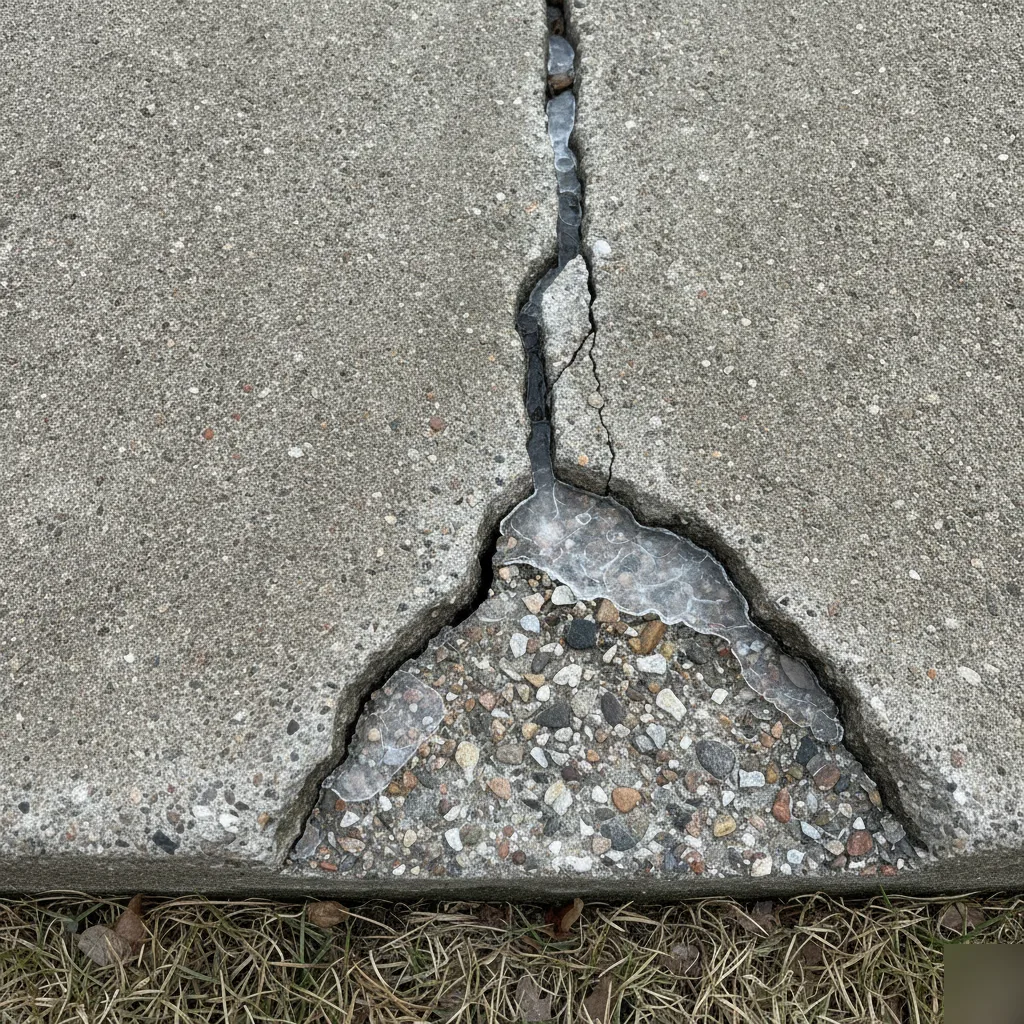
Water and cold air. That's what wrecks driveways. Not traffic. Not age, really. Just freeze-thaw. Spokane Valley temps swing wild. Sometimes 40 degrees in one single day during shoulder seasons. That swing is what tears concrete apart. From the inside out. It's simple physics. Concrete isn't solid. It has tiny pores. They soak up water like a sponge. When that water freezes? It expands about 9 percent in volume, says the Portland Cement Association. That expansion pushes on the surrounding concrete. Do it once, you might not notice. Do it 50 or 60 times in a winter? You get cracks, pop-outs, flaking surfaces. We've pulled up slabs right here in Spokane Valley. They looked fine up top. But they were crumbling underneath. From ten winters of that cycle. So what breaks down your driveway? A few problems stack up.
- Water gets in. Even hairline cracks let water reach the base. Freeze-thaw finishes the job.
- Bad drainage. Driveways that slope wrong. Or sit low. They collect water. Damage starts right there.
- Deicing salt. It melts ice fast. But it also scales and pits the surface. We see it a lot on driveways along the Sullivan Road corridor. Folks salt heavy there.
- Weak or old concrete mix. Poured decades ago. Before air-entrained concrete became standard. They just don't stand up to freeze-thaw nearly as well.
- Base failure. Gravel base wasn't compacted right. Or it shifts from frost heave. The slab above cracks. Doesn't matter how good the concrete itself is.
Frost heave is a real problem. The ground freezes. Soil moisture expands. Pushes the frost line deeper. Week after week of hard cold. That lifts driveway sections. Unevenly. Spring comes. Ground thaws. Everything settles. But not always back where it started. That's why you see tilted slabs. Or separated joints. In Spokane Valley. Up on the North Side. Happens even without heavy trucks. Traffic and weight matter, sure. But they mostly speed up damage already started. Damage from water. From freeze-thaw. We did a concrete driveway repair last winter. Off Sprague. Started as a small crack. Near the garage. Homeowner thought it was nothing. Just cosmetic. Water had been getting into that crack for two seasons. The base underneath had washed out. That quarter-inch crack? It turned into a six-inch void once we opened it up. Folks don't get it until it's too late. A driveway can look okay. Right up until the day a chunk breaks loose. That's how freeze-thaw damage works. Quiet. Slow. Then it shows up all at once. Homeowners in Cheney and Hillyard deal with the same pattern, just on slightly different soil types, which changes how fast frost heave moves. Here's the deal: cold climate damage isn't random. It follows a clear pattern. Water. Temperature swings. How the driveway was built. That's the bottom line.
Repair vs. Replacement: How to Tell What Your Driveway Needs
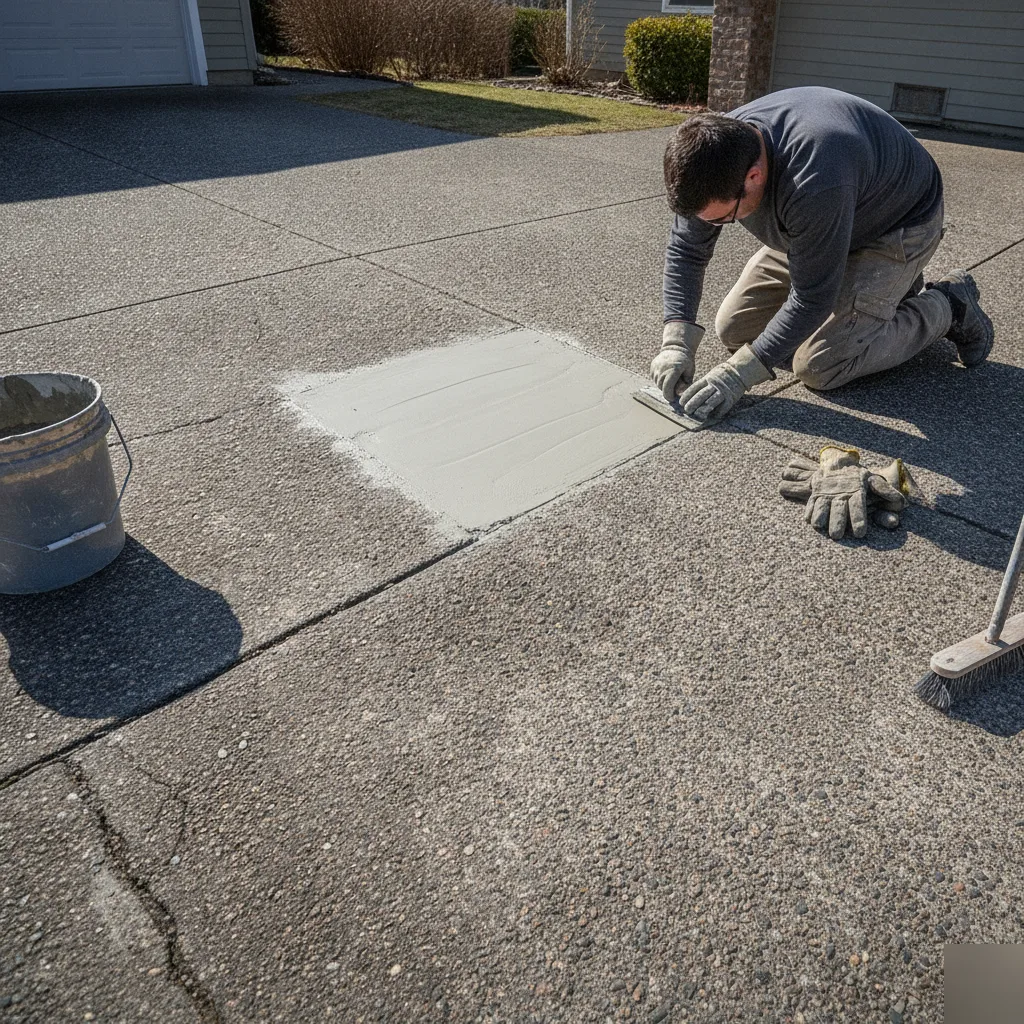
This is the big question. We hear it constantly. It's fair, too. Nobody wants a full driveway replacement if a repair would work. And nobody wants to sink money into patches on a slab that's already dead. After 11 years fixing driveways. All over Spokane Valley. We have a system. We figure it out fast. Look at the cracks first. A few hairline cracks? Running mostly straight? Normal here. That's just concrete behavior in our climate. But cracks everywhere? Spiderweb patterns? Cracks connecting? That's a different story. That pattern usually means the base under your slab shifted. Or washed out. Concrete crack repair can seal individual cracks. It stops water from getting in. But it won't fix a failing base. Next, count affected slabs. If it's one or two panels out of a dozen, repair makes sense. If more than a third of your driveway shows serious cracking, sinking, or heaving, you're usually better off replacing the whole thing. Patchwork on a dead driveway looks like patchwork. We're talking curb appeal here, after all. Want a quick check? Before you call us? Here's how to size up your driveway.
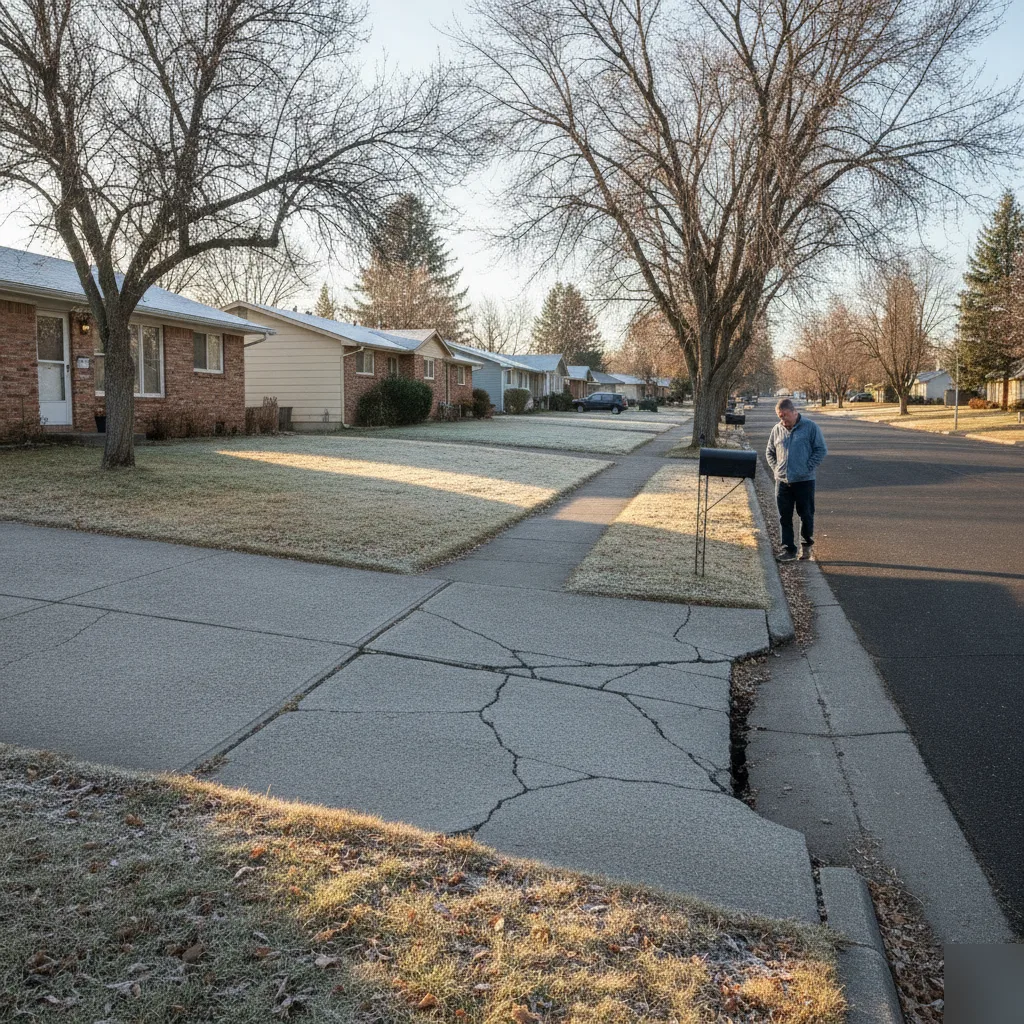
- Check slab height. A quarter inch difference or less? Minor. Anything you trip on? That's a structural problem. Not a surface one.
- Big chunks missing? That's spalling. Small surface flakes? Often resurfaced. Deep gouges? Usually can't be saved.
- Press the edges. Near the garage. Or the street. Soft? Crumbly? Water's already broken down the concrete. From the inside.
- Note its age. Driveways in Spokane Valley typically last 25 to 30 years. With decent care. Past that? Repairs just delay the inevitable. Build it once, build it right.

Frequently Asked Questions
When should I call a professional instead of patching a crack myself?
Call a professional once a crack is wider than a quarter inch or keeps growing each year. Small hairline cracks from normal curing are usually fine to watch. But wider cracks let water sneak into the base, and freeze-thaw cycles turn that gap into a bigger problem fast. If you see pooling water, uneven slabs, or crumbling edges along with the crack, that's your cue to get it checked. A quick look from a repair pro can catch base damage you can't see from the surface.
Why does Spokane Valley weather cause so much driveway damage?
Spokane Valley sees dozens of freeze-thaw cycles every winter, and that's the main driver of driveway damage. Water soaks into tiny pores in the concrete, then freezes and expands overnight. That expansion pushes against the slab, over and over, all season long. A driveway can look fine in October and be badly cracked by March. This pattern shows up across the area, from the Sullivan Road corridor to older homes near Cheney.
Does road salt really damage a concrete driveway?
Yes, deicing salt can scale and pit the surface of your driveway over time. It melts ice quickly, but it also draws water into the concrete's pores faster than plain water would. That extra moisture makes freeze-thaw damage worse each winter. We see this often on driveways along busier streets in Spokane Valley where homeowners salt heavily. Using less salt, or switching to sand for traction, can help slow this kind of wear.
Is it a myth that all driveway cracks mean I need a full replacement?
Yes, that's a common misconception. Most driveways with a few hairline cracks just need monitoring or a simple seal, not a full tear-out. Replacement usually only makes sense when you see several problems together, like sunken slabs, wide spreading cracks, and pooling water all at once. A single crack rarely means the whole slab is done. The key is catching damage early, before freeze-thaw turns a small issue into a structural one.
How do I know if my driveway needs repair or full replacement?
Look at how many warning signs you see together, not just one. A few hairline cracks running in the same direction often just need sealing. But sunken slabs, spreading cracks, and standing water together usually point toward a bigger repair or replacement job. Our team checks the base, the drainage, and the concrete itself before making that call. If you're unsure what your driveway needs, our concrete driveway repair page walks through what a proper inspection covers.
Can a driveway be repaired during winter months?
It depends on the temperature and the type of repair needed. Concrete work generally needs above-freezing temperatures to cure properly, so many repairs wait until spring or fall. Small crack sealing can sometimes happen in milder winter stretches. Waiting too long, though, lets water keep working into cracks all season. It's often better to get a driveway checked in fall, before Spokane Valley's freeze-thaw cycles start doing their damage.
Ready to Experience the Concrete Revival Difference?
Complete Service Area Coverage
- Spokane and Spokane Valley
- Coeur d'Alene metro area
- Deer Park and Newport
- Liberty Lake and Otis Orchards
- Cheney and Medical Lake
- Post Falls and Rathdrum