
Planning a Driveway Repair Project: What to Know Before You Start in Spokane Valley
Why Driveway Damage Follows a Seasonal Cycle
Spokane Valley concrete doesn't just crack from bad luck. It happens because of basic physics. Water gets into the tiny pores of your concrete, then temperatures drop below freezing overnight. Spokane driveway repair reverses it.
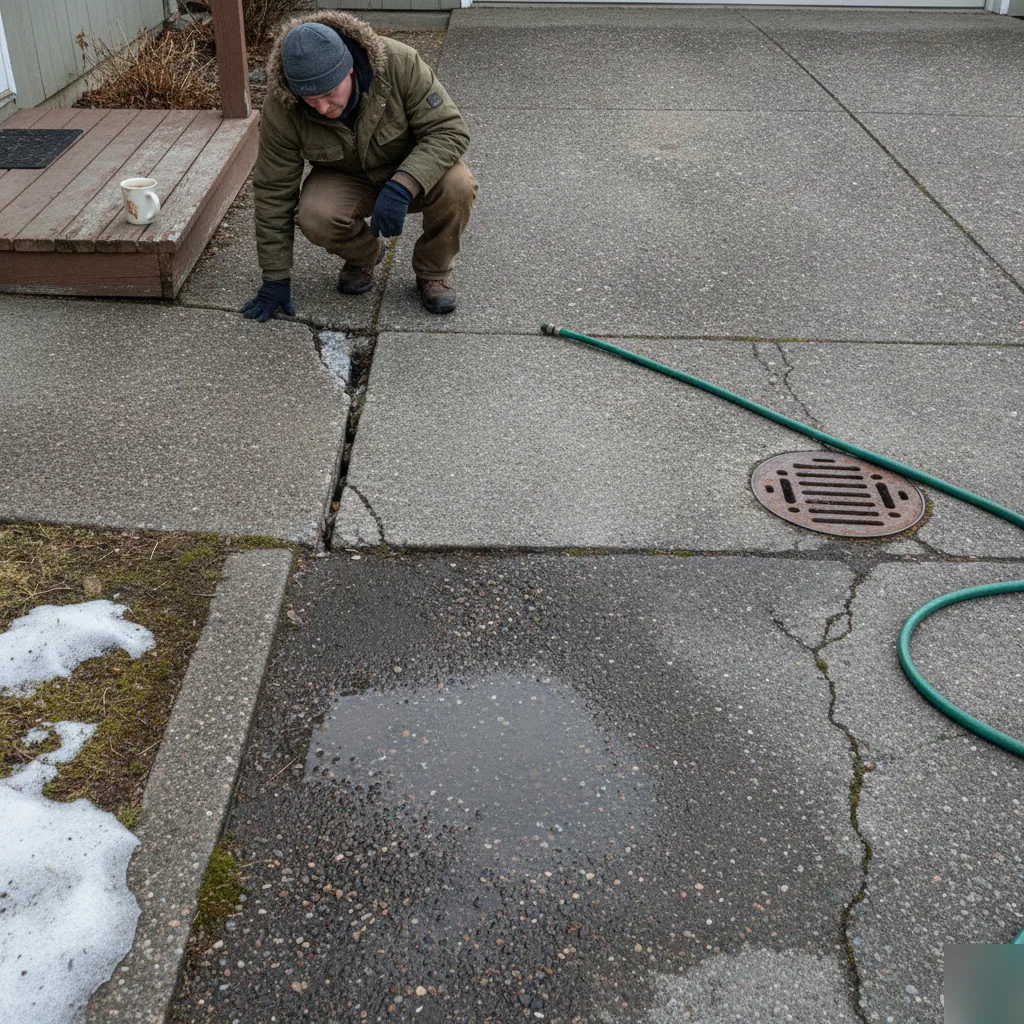
Ice expands about 9 percent in volume compared to liquid water, according to the U.S. Geological Survey. That expansion pushes hard against the concrete from the inside, one freeze at a time. Here's what most homeowners never think about. Spokane doesn't just freeze once and stay frozen through winter. We get dozens of freeze-thaw cycles every single year. Temperatures swing above freezing during the day, then crash hard at night. Each swing means another round of water seeping in, freezing, expanding, and chipping away at the surface a little more. A driveway that seemed solid in November can show real damage by March. We’ve worked on driveways across Spokane Valley, the North Side, and out toward Cheney for over 11 years. The pattern always holds. Fall is when small cracks let water start sneaking in. Winter is when the serious damage happens. Spring is when it finally shows up on the surface, spalling, popped chunks, sunken slabs near the garage. Summer is when most people finally call us. By then, the damage is just too big to ignore. So, how does this cycle mess with a driveway? Here’s what we see most often, season by season:
- Fall: Hairline cracks widen as leaves and muck trap moisture against the surface.
- Winter: Repeated freeze-thaw cycles force water into cracks and joints, expanding them from the inside.
- Spring: Thawing ground shifts and settles. This causes slabs to lift, sink, or split at the joints.
- Summer: Heat dries out the concrete. Existing cracks become more obvious, especially along the edges near busy Sullivan Road corridor properties.
The surface hides damage. By the time you notice a problem, the issues underneath are usually worse than what you can see. That's just how concrete works. Salt and de-icer only make this worse. A lot of Spokane Valley homeowners salt their driveway every storm without thinking twice. But most de-icing products speed up freeze-thaw damage instead of stopping it. They lower the freezing point of surface water, sure. But they also pull moisture deeper into the concrete before it refreezes. We’ve seen driveways that were solid for a decade get chewed up in two or three brutal winters just from heavy salt use. Spokane’s climate matters for any driveway repair project. Timing your concrete crack repair before winter hits can stop small cracks from becoming much bigger. Waiting until spring, when damage is already visible, usually means you're dealing with a more extensive concrete driveway repair than you would’ve needed in the fall. And by the way, not all concrete handles this cycle the same way. Poorly installed slabs, ones without proper base prep, fail faster under freeze-thaw stress. We've pulled up driveways poured without a solid gravel base and found the damage went four inches down. That's not a crack you patch. That’s a driveway repair Spokane homeowners need done right the first time.
The Real Planning Question Is Timing, Not Just Damage
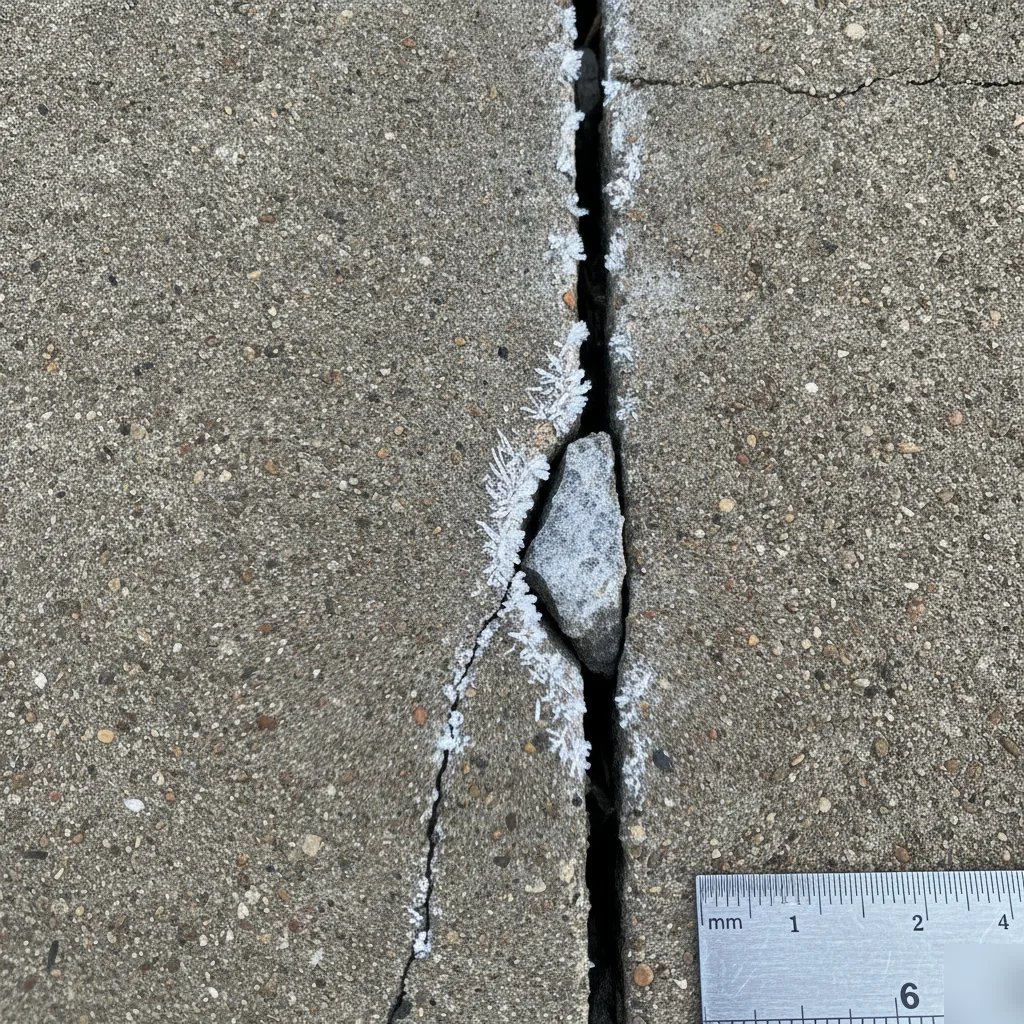
Most homeowners think planning a driveway repair project starts with measuring cracks. It doesn't. It starts with the calendar. We’ve been pouring and patching concrete in Spokane Valley for 11 years, and the biggest mistake we see isn't picking the wrong repair method. It’s picking the wrong month. Concrete cures through a chemical reaction, not just by drying out. That reaction slows down hard below 40 degrees Fahrenheit. It can stop altogether if the mix freezes before it sets. Spokane’s freeze-thaw cycle doesn't care about your schedule. It cares about temperature swings. And we get plenty of those between October and April. So when’s the right window? Here’s how we walk clients through it:
- Check the ten-day forecast. Look for highs over 50 degrees.
- Confirm overnight lows stay above freezing during the entire cure period.
- Don't book right before a known Spokane cold front, especially in late fall.
- Your own timeline matters too. Driveway resurfacing takes longer to cure than a small crack patch.
- Book early. Good crews get slammed in spring.
That last point trips people up every year. April and May are the busiest months for concrete driveway repair around here. Everyone waits until the snow melts to notice the winter damage. But by then, you’re competing with half the neighborhood for the same crew. We had a customer off the Sullivan Road corridor last spring. She called us in March, worried about a crack that had grown over winter. We got her on the schedule for early April, right in that sweet window before the summer rush. Compare that to a homeowner who waits until July. The concrete is fine to pour then, but every contractor in Spokane Valley is booked three weeks out. Here’s a simple comparison: repairing in fall versus repairing in spring. Fall repairs seal up damage before winter moisture gets in and freezes. That stops the problem from spreading. Spring repairs fix what winter already did. But you're racing the calendar against contractor availability and the next freeze-thaw cycle showing up again in November. Neither choice is wrong. It hinges on the damage you’re dealing with and how bad it already is. Here’s something else: temperature isn't the only clock running. If your driveway has active spalling or deep cracking, waiting even one more freeze-thaw season can turn a repair job into a full driveway resurfacing job. And that changes your entire scope of work. Timing decides everything. Your repair either lasts for years, or it fails by next winter.
How to Tell If Damage Is Surface-Level or Structural
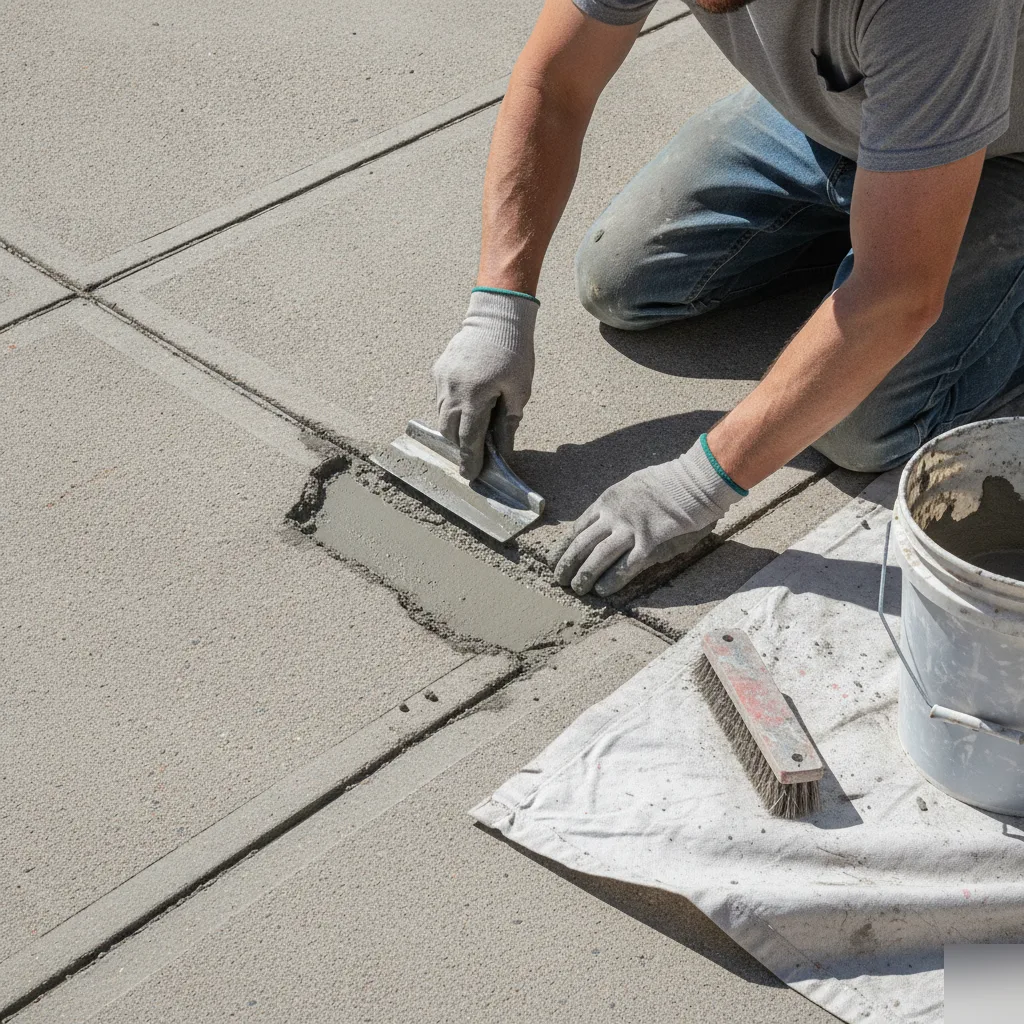
Not every crack means your driveway is dying. But some cracks are screaming for help. You need to know the difference before you plan a driveway repair project. After 11 years fixing driveways across Spokane Valley, we’ve learned most homeowners can’t tell the two apart until someone points it out. That’s the whole game right here. Surface-level damage stays shallow. Think hairline cracks, light scaling, or a bit of pitting. These come from years of freeze-thaw cycles chewing at the top layer. These cracks don't move when you step on them. They don't have chunks missing underneath. And they usually run in a straight, predictable line across the slab. This damage is mostly cosmetic, though it can let water in if you ignore it too long. Structural damage is a different animal entirely. Here's what tells us a crack has gone deeper than the surface:
- Crack wider than a quarter inch? Or one side is higher than the other.
- You can rock a slab piece with your foot, even slightly.
- Cracks sprawl in multiple directions, not just straight lines.
- A new dip, hump, or slope shows up that wasn't there a few years back.
- Water sits in the same spot every spring after the thaw.

Frequently Asked Questions
How do I know if my driveway needs a professional repair instead of a DIY patch?
You need a professional if cracks are wider than a quarter inch, if slabs have sunk or shifted, or if you see spalling (chunks popping off the surface). Small hairline cracks can sometimes be sealed with store-bought filler as a short-term fix. But deep cracks usually mean water has already reached the base layer underneath. A pro can check how far the damage goes before it turns into a full driveway resurfacing job. If you're unsure, our team can walk your driveway and give you a clear answer before you spend money on the wrong fix.
Why does Spokane Valley's climate make driveway repair timing so important?
Spokane Valley gets dozens of freeze-thaw cycles every winter, not just one long freeze. Each cycle pushes water into tiny cracks, freezes it, and expands the damage a little more. Concrete also cures through a chemical reaction that slows down below 40 degrees and can stop completely if it freezes before setting. That's why timing your repair around a stretch of mild days, with highs over 50 and overnight lows above freezing, matters more here than in milder climates.
Is it better to repair a driveway in fall or wait until spring?
Fall repairs seal cracks before winter moisture gets a chance to freeze and expand them. This stops small problems from spreading over the next few months. Spring repairs fix damage that's already happened, but you're often competing with a busy contractor schedule since everyone calls once the snow melts. Neither choice is wrong, it depends on how much damage you already have. Reading our full guide on Planning a Driveway Repair Project can help you figure out which window fits your situation.
What's the biggest mistake homeowners make when planning a driveway repair?
The biggest mistake is waiting until spring to call, after the damage already shows. By the time cracks are visible on the surface, the freeze-thaw cycle has usually done months of damage underneath that you can't see. Homeowners also assume any warm day is safe for pouring concrete, but overnight temperatures matter just as much as daytime highs. Planning around the calendar, not just the visible cracks, helps you avoid turning a small patch job into a bigger driveway repair Spokane crews have to dig out and redo.
Does salting my driveway in winter cause more damage?
Yes, most de-icing salts speed up freeze-thaw damage instead of preventing it. Salt lowers the freezing point on the surface, but it also pulls moisture deeper into the concrete before it refreezes overnight. Over several winters, this can chew up a driveway that was solid for years. If you already salt heavily, keep an eye out for new surface cracking each spring so small issues get caught early.
Ready to Experience the Concrete Revival Difference?
Complete Service Area Coverage
- Spokane and Spokane Valley
- Coeur d'Alene metro area
- Deer Park and Newport
- Liberty Lake and Otis Orchards
- Cheney and Medical Lake
- Post Falls and Rathdrum