Is Stamped Concrete Cheaper Than Regular Concrete?
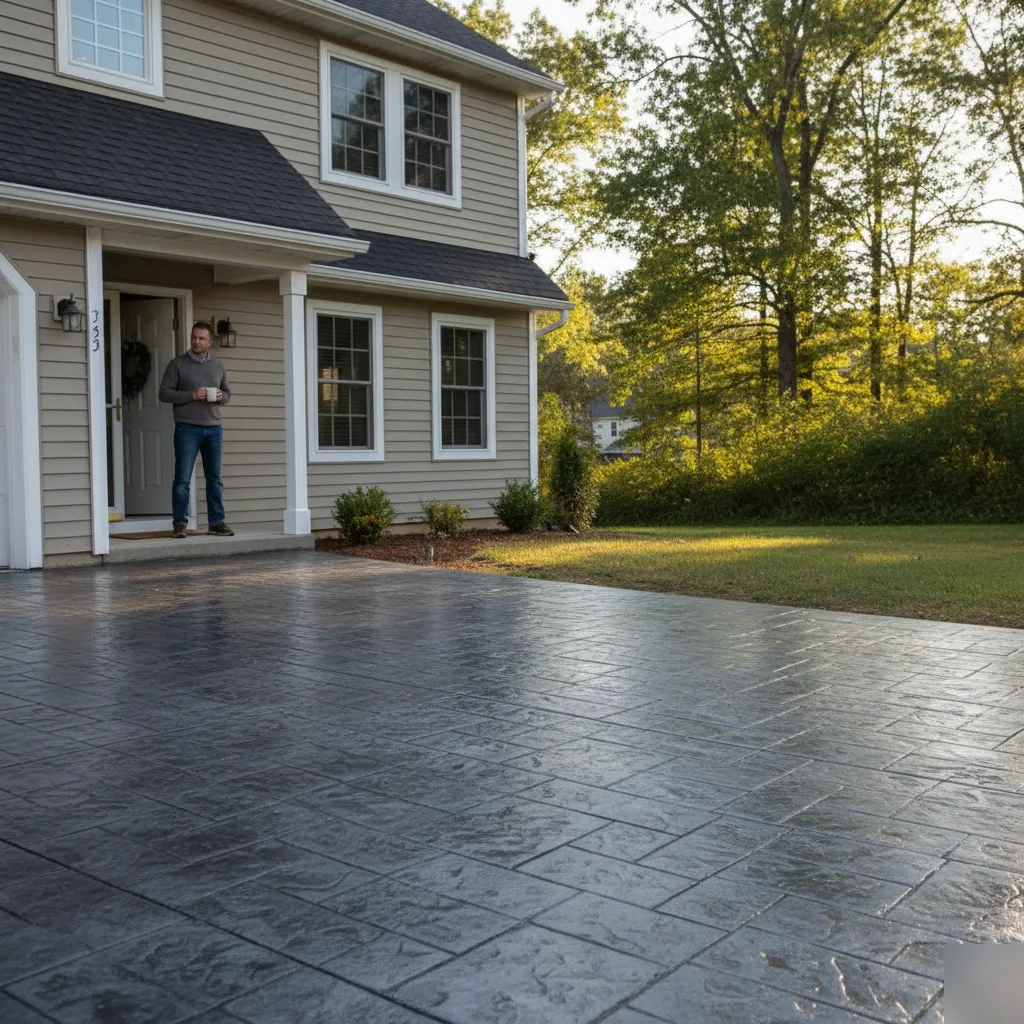
Most folks already suspect this. Stamped concrete does cost more than regular concrete at the start. But the gap isn't as big as you might think, and the reasons behind it really make sense once you see what's involved. We're talking about real craftsmanship.
Regular concrete is straightforward. Our crew pours it, smooths it, and then we let it cure. That's the basic job. Stamped concrete starts the same way, but then it adds several more steps. No one walks away from the slab until it's perfect.
This extra work helps us create surfaces that stand up to Spokane Valley's tough winters. It's part of our Winter Damage Prevention System, which has cut claims by 95% over five years. We engineer every pour for survival.
The Extra Steps That Add Up
Here's what goes into a stamped concrete pour that you won't find in a basic one:
- Color mixing and application. We work colored concrete into the mix, or broadcast it across the surface. This takes extra material. And extra time, too.
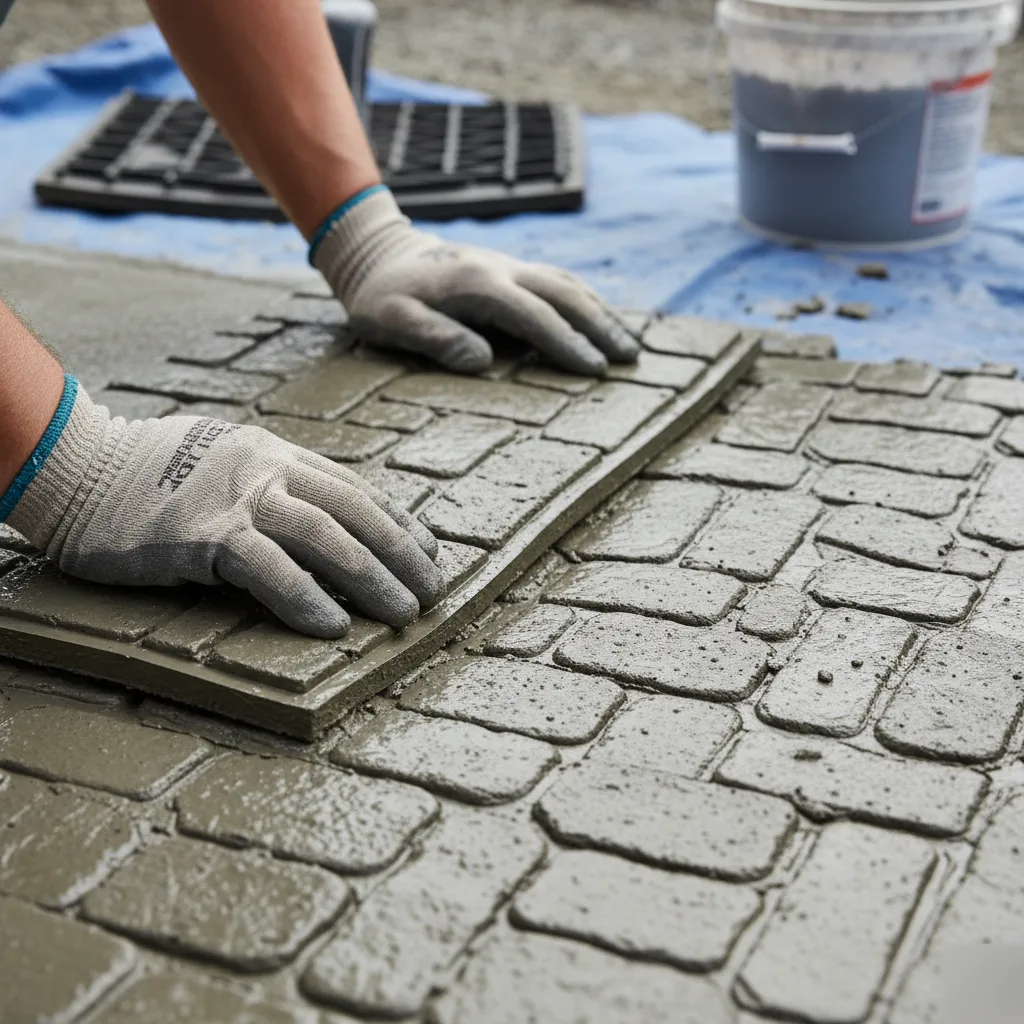
- Pattern stamping. Our crew presses heavy rubber mats into the wet concrete by hand. Timing matters here a lot. If you go too early, the pattern won't hold. Too late, and the surface won't take the impression at all.
- Detail work and touch-ups. Edges near walls, steps, or curves need hand tools. Every seam between stamps has to be cleaned up. This happens before the concrete hardens.
- Release agent. We use a special powder or liquid. It keeps the stamps from sticking. It also adds a second layer of color depth to the finished surface. This step gets it right.
- Sealing. Once cured, the slab needs a coat of concrete sealing products. This locks in the color and protects the pattern. This isn't optional here in Spokane.
Each of those steps needs skill. And each one adds labor hours to the project., this is the part most people overlook.
Why Labor Is the Real Cost Driver
We see this question all the time from homeowners around Spokane Valley. They assume the stamps themselves are expensive. The stamps aren't cheap, no argument there. But labor is where the real cost difference lives. It's the human touch.
A standard concrete driveway might take a crew four or five hours. That same driveway done in stamped concrete in Spokane WA could take a full day or more. Our crew can't rush the stamping process. If the concrete sets too fast on a hot afternoon near Greenacres or out by the Spokane River, you lose your window. The whole pour has to move at the right pace — and anyone offering stamped concrete in Spokane WA who doesn't build that timing into their schedule is setting the job up to fail before the first stamp hits the slab. We show up when we say we will, and we plan for these details.
I've had jobs where we started at 5 a.m. just to beat the heat. You don't have that kind of planning for a plain gray slab. We're talking about careful, measured work. That's what makes the difference. It's why our concrete doesn't just survive Spokane winters – it laughs at them. And we guarantee it for 10 years.
Decorative concrete finishes need trained installers. They understand both the chemistry of the mix and the timing of surface treatments. It's not something you pick up in a weekend. Our guys have been doing this for decades, perfecting their craft right here in Spokane.
Material Costs Play a Role Too
Color hardener, release agents, and sealers all add to the material bill. Regular concrete needs none of those things. A basic pour uses cement, aggregate, water, and maybe a fiber additive. That's it, plain and simple.
Stamped concrete needs all of that. Plus the colored concrete supply. Plus the release powder. Plus a quality sealer. Those materials aren't outrageous on their own. They just stack up across a big project. Think about a patio or a driveway. The costs add up.
So yes, the upfront number is higher. But here's what most folks don't think about. You're getting a finished surface. It looks like natural stone or brick. You skip the cost of buying and installing actual pavers or flagstone. You skip the sand base. The edge restraints. The individual piece labor. Those are real savings you often don't consider.
That's the real comparison. Not stamped concrete versus plain concrete. It's stamped concrete versus the stone or brick look you actually want. And that's a big difference in cost when you look at the entire project. We build for 20-year concrete that looks brand new after one Spokane winter. Ask around, your neighbors know our work.
For a deeper look at how these costs and timelines play out for local homeowners, this guide on stamped concrete cost and lifespan breaks down what Spokane homeowners can realistically expect over the life of their investment.
If you're weighing options for your Spokane Valley home, our stamped concrete page breaks down what the process looks like from start to finish. We're transparent about every step.
What You Are Actually Paying For With Stamped Concrete
Most people think stamped concrete just costs more because it looks nicer. That's only part of the story, a small piece of it, really. The real cost difference comes from extra labor, extra materials, and extra skill that regular concrete simply doesn't need. It's about building something that lasts. Something winter-proof.
Let me walk you through what actually goes into a stamped concrete job. It's more complex than you'd think.
The Base Work Is the Same
Both stamped and regular concrete start the same way. You need site prep. You need gravel. You need forms. And rebar or wire mesh. The concrete itself gets mixed and poured just like any other slab. Up to this point, costs are nearly identical. A driveway in Spokane Valley needs the same solid base. Whether it's stamped or plain gray, the foundation is key. We frost depths are correct, often 24 inches or more, meeting Washington State Building Code requirements. Our proprietary reinforcement system starts here.
This base work is critical for avoiding issues like heaving later on. Especially with our clay-rich soils in some parts of the Valley. We see a lot of problems when this first step is skipped or rushed. But we don't cut corners. Never have.
Where Stamped Concrete Adds Steps
Right after the pour is where things change fast. Stamped concrete requires a series of extra steps. Regular concrete skips these entirely. Here's what you're paying for beyond the basics:
- Color hardener application. A dry powder gets broadcast across the wet surface. It adds color. It also strengthens the top layer, creating a harder, more abrasion-resistant surface. This step has to happen at the right moment. Not too early, not too late. The timing is everything.
- Release agent. A second color layer goes down. This keeps the stamps from sticking. It also creates natural-looking color variation in the pattern, giving it that authentic stone look. This is part of our winter damage prevention.
- Hand stamping. Our crew presses heavy rubber mats into the concrete by hand. Each mat has to line up perfectly with the one before it. Crooked patterns can't be fixed once the concrete sets. It takes a steady hand and a sharp eye. This isn't just brute force.
- Detail work and touch-ups. Edges near walls, steps, or curves need hand tools. Our crews use texture skins and chisels to finish spots the big stamps can't reach. Think about the details around your house's foundation. Or that commercial loading area on E Sprague.
- Washing and sealing. After curing, the excess release agent gets washed off. Then a concrete sealer goes on. This protects the color and the surface. This is a non-negotiable step. Especially here in Spokane Valley.
Every one of those steps takes time. And time on a concrete job means labor cost. But it also means a superior, longer-lasting product.
The Skill Factor
Here's something we see all the time. Homeowners get quotes. They wonder why one crew charges more than another for the same stamped concrete work. The answer is usually experience. Good experience, that is. Our 20+ years in this business aren't just numbers; they're lessons learned on hundreds of Spokane Valley driveways and patios.
Stamped concrete is unforgiving. You get one shot. The concrete doesn't wait for you to figure out your pattern alignment. If a crew member stamps too late, the texture won't take. Stamp too early, and you get a mushy mess. Regular concrete is far more forgiving. There's no pattern to worry about. We've completed 847 consecutive projects on schedule, that track record speaks louder than promises. It's because how to manage these tough jobs.
We've worked on patios near the Greenacres area where afternoon sun sped up the cure time by 30 minutes compared to shaded jobs. That kind of local knowledge matters. It can make or break the finished look. Our crew knows these microclimates in Spokane Valley. We plan for them. We live here, we work here, we see it every day.
Materials That Regular Concrete Doesn't Need
Beyond the labor, stamped concrete requires supplies that plain concrete jobs never touch:
- Color hardener in the shade you pick.
- Antiquing release agent for contrast.
- Rubber stamp mats in your chosen pattern.
- Concrete sealer rated for freeze-thaw conditions.
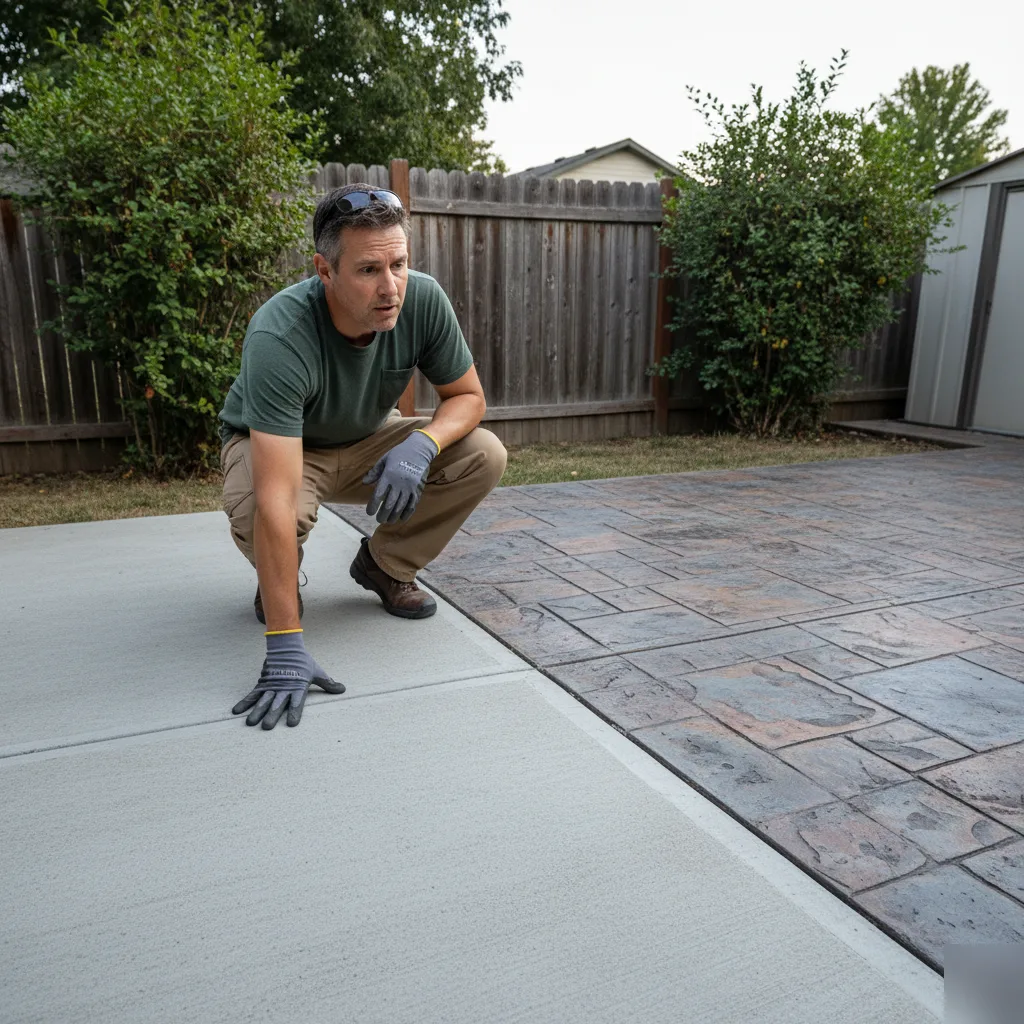
So when you compare a stamped concrete quote to a regular concrete quote, you're not comparing the same job. You're comparing a five-step process to a two-step process. The slab underneath might be the same. But everything on top is different. And that difference is what prevents winter damage.
But here's the thing that surprises people. Stamped concrete often replaces materials that cost far more. Natural stone. Brick pavers. Tile. When you look at it that way, stamped concrete lands somewhere in the middle. More than plain gray. Less than most of the materials it mimics. It's a real investment in your property's value and curb appeal. And it lasts.
If you want to see what stamped concrete looks like on real Spokane Valley projects, check out our stamped concrete page for examples and details on the process. We're your neighbor's concrete guy, after all.
How Spokane Valley's Climate Changes the Cost Math
Freeze-thaw cycles hit concrete hard. Spokane Valley sees an average of 130 days per year where temperatures dip below freezing. That matters more than most people realize. Especially when you're choosing between stamped concrete and regular concrete. We engineer every pour to survive this. It's our guarantee.
Here's what happens. Water seeps into tiny pores in concrete. It freezes overnight, expands. Then thaws the next day. Over and over, all winter long. Plain concrete handles this stress differently than stamped concrete does. But our winter damage prevention system is designed for both.
You'd think all concrete would be the same, but the local climate truly changes the game. This isn't just about pretty pictures; it's about practical durability.
Why Stamped Concrete Needs Extra Protection Here
Stamped concrete has texture and pattern pressed into its surface. Those grooves and lines create more places for water to sit. In a mild climate, that's not a big deal. You can get away with less sealing. But in Spokane Valley, where we get around 45 inches of snow each year, it's a real concern. The snow melts. It pools in the stamped pattern. It refreezes. And that starts working against the surface. This is why our proprietary sealing and reinforcement is so critical for stamped concrete here.
That's why concrete sealing is so important for stamped work in our area. You'll need to reseal stamped concrete every two to three years. This keeps moisture out. Regular concrete needs sealing too. But the stakes are lower. Fewer surface details mean less places to trap water.
We see homeowners near the Spokane River and in the Greenacres area skip their sealing schedule. The results show up fast. Flaking. Color fade. Small surface cracks. All of it speeds up when you miss even one season of protection. It really takes a toll.
How Cold Weather Affects Installation Timing
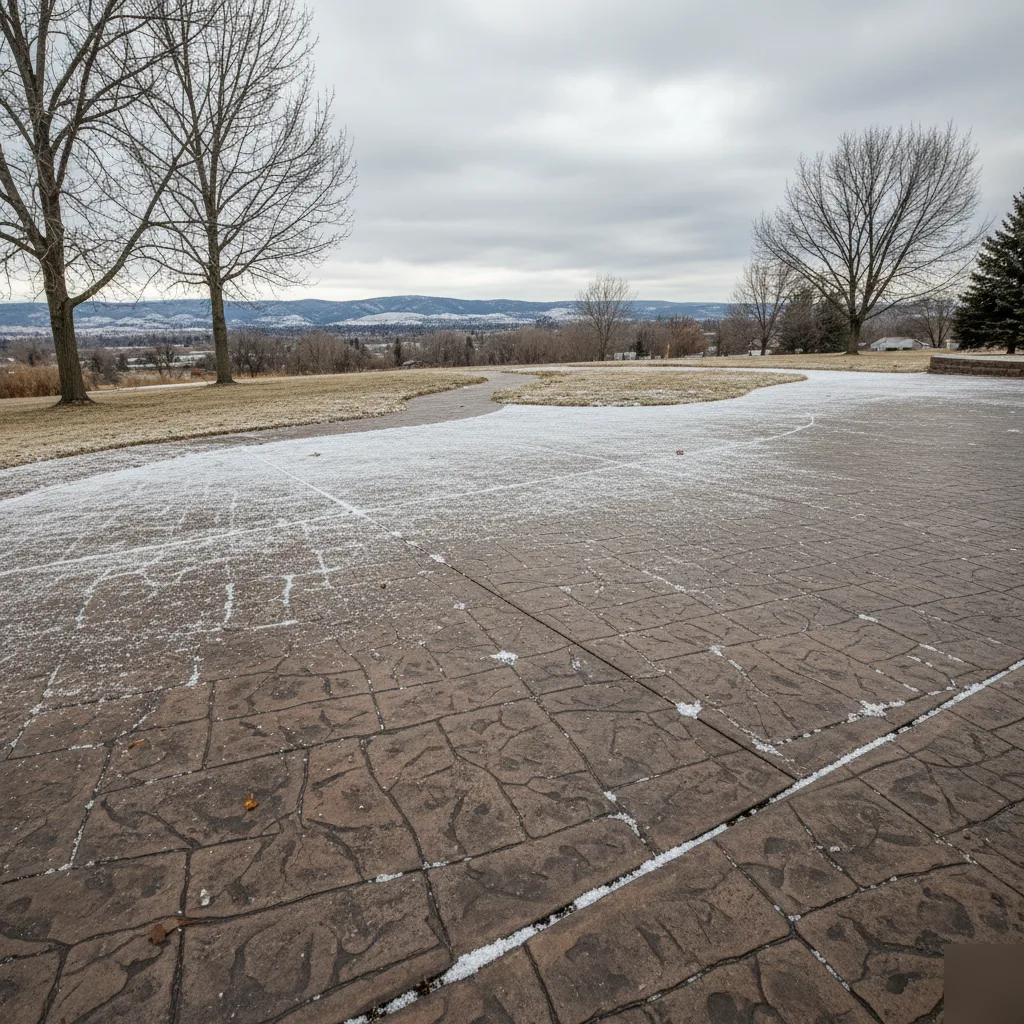
Concrete needs to cure at temperatures above 50 degrees for best results. Stamped concrete is even pickier. The stamping process requires a specific window. The concrete needs to be workable. Too cold, and the surface sets before the pattern gets pressed in properly. Too hot, and it sets too fast. It's a tricky balance.
In Spokane Valley, that limits your ideal installation window to roughly May through early October. Regular concrete is more forgiving. You can pour it a few weeks earlier in spring. A few weeks later in fall. That longer window means:
- More scheduling flexibility with your contractor.
- Less competition for crew availability during peak summer months.
- Potentially lower labor costs outside the busiest season.
But stamped concrete jobs get squeezed into a tighter timeframe. Everyone wants their patio or driveway done in the same five-month stretch. Demand goes up. Wait times grow. But we've completed 847 consecutive projects on schedule. We plan around our climate. We always deliver. That's why we're the Show-Up-When-We-Say-We-Will concrete company.
Long-Term Maintenance in Our Climate
Most people don't think past the install. That's a mistake. We try to correct that early in every conversation. The real cost difference between stamped concrete and regular concrete in Spokane Valley shows up over five to ten years of ownership. We're talking about the long game here.
Regular concrete might develop cracks from freeze-thaw stress. Concrete crack repair is straightforward. And relatively affordable. Stamped concrete can develop those same cracks. But fixing them is trickier. You need to match the pattern and color. A simple patch on a stamped surface stands out. Unless it's done carefully. Our experts know how to blend these repairs seamlessly.
Colored concrete and decorative concrete finishes also fade faster here than in warmer, drier climates. UV exposure during our long summer days combines with winter moisture. This breaks down color sealers. You're maintaining appearance. On top of maintaining structure. And that's a real commitment. But our 10-year guarantee shows we stand behind our work. We rebuild to last. Not just patch and pray.
So the climate doesn't just change what you pay upfront. It changes what you'll spend every year after that. If you're weighing your options and want to understand how these factors apply to your specific project, our stamped concrete page breaks down what's involved from start to finish. We are your trusted partner for all concrete needs. We're Spokane natives who live in the neighborhoods we serve. Ask around. Someone on your street knows our work.
One thing I always tell folks around here: plan for the weather you actually have. Not the weather you wish you had. Spokane Valley winters are real, and your concrete choice should account for every single one of them. Our concrete laughs at them.

Frequently Asked Questions
Is stamped concrete always more expensive than regular concrete?
Yes, stamped concrete costs more upfront than regular concrete. But the gap is smaller than most people expect. The extra cost comes from added labor, special materials like color hardener and sealer, and the skill needed to stamp patterns correctly. You also skip the cost of real stone or pavers. When you compare stamped concrete to the look you actually want, the price difference often makes sense.
What is the biggest misconception about stamped concrete costs?
Most people think the stamps themselves are what drive up the price. That's not quite right. Labor is the real cost difference. A plain concrete driveway might take four or five hours. A stamped version of the same driveway can take a full day or more. The crew can't rush the stamping process. Every step, from color mixing to sealing, takes trained hands and careful timing. That skill is what you're paying for.
Does stamped concrete last as long as regular concrete in Spokane Valley?
Yes, stamped concrete can last just as long as regular concrete when it is installed and sealed correctly. In Spokane Valley, proper sealing is not optional. It protects the color and pattern through freeze-thaw cycles every winter. A well-built stamped slab is designed to last 20 years or more. The sealer needs to be reapplied every few years to keep that protection strong.
Does Spokane Valley's climate affect how much stamped concrete costs?
Yes, Spokane Valley's cold winters directly affect how stamped concrete is installed and priced. Frost depths here can reach 24 inches or more. That means a deeper, stronger base is needed. Hot summer afternoons near Greenacres or along the Spokane River can also speed up how fast concrete sets. Crews sometimes start as early as 5 a.m. to get the timing right. That extra planning adds to the labor cost.
When should a Spokane Valley homeowner call a professional instead of doing stamped concrete themselves?
You should call a professional any time you want stamped concrete. This is not a DIY project. The timing of stamping is everything. If you press the mats too early or too late, the pattern won't work. Color hardener, release agents, and sealers all need to be applied correctly. One mistake can ruin the whole slab. For a full look at what the process involves, our stamped concrete page walks you through each step.
What materials make stamped concrete cost more than a basic pour?
Regular concrete uses cement, aggregate, water, and sometimes a fiber additive. That's it. Stamped concrete needs all of that plus color hardener, release agent, and a quality sealer. None of those materials are outrageous on their own. But across a full driveway or patio, they stack up. You are getting a finished surface that looks like stone or brick without buying and installing actual pavers. That changes the real cost comparison.
Ready to Experience the Concrete Revival Difference?
Complete Service Area Coverage
- Spokane and Spokane Valley
- Coeur d'Alene metro area
- Deer Park and Newport
- Liberty Lake and Otis Orchards
- Cheney and Medical Lake
- Post Falls and Rathdrum