
Is Sealing a Blacktop Driveway Actually Worth It? A Spokane Valley Homeowner's Guide
Here's the truth. A lot of driveway owners in the North Side and along Sullivan Road think that sealing a blacktop driveway is permanent protection. It's not. But when done properly and at the right time, it helps a lot.
Blacktop sealing puts a thin protective layer on top of your asphalt. That layer shields the surface from UV rays, which break down the asphalt binder — the substance that holds your blacktop together. The seal also keeps water from getting into small cracks. In Spokane Valley, that matters. Water that gets into a crack in October can freeze in November, expand, and destroy the driveway from the inside out. We see the results of that every spring.
What Sealing Does
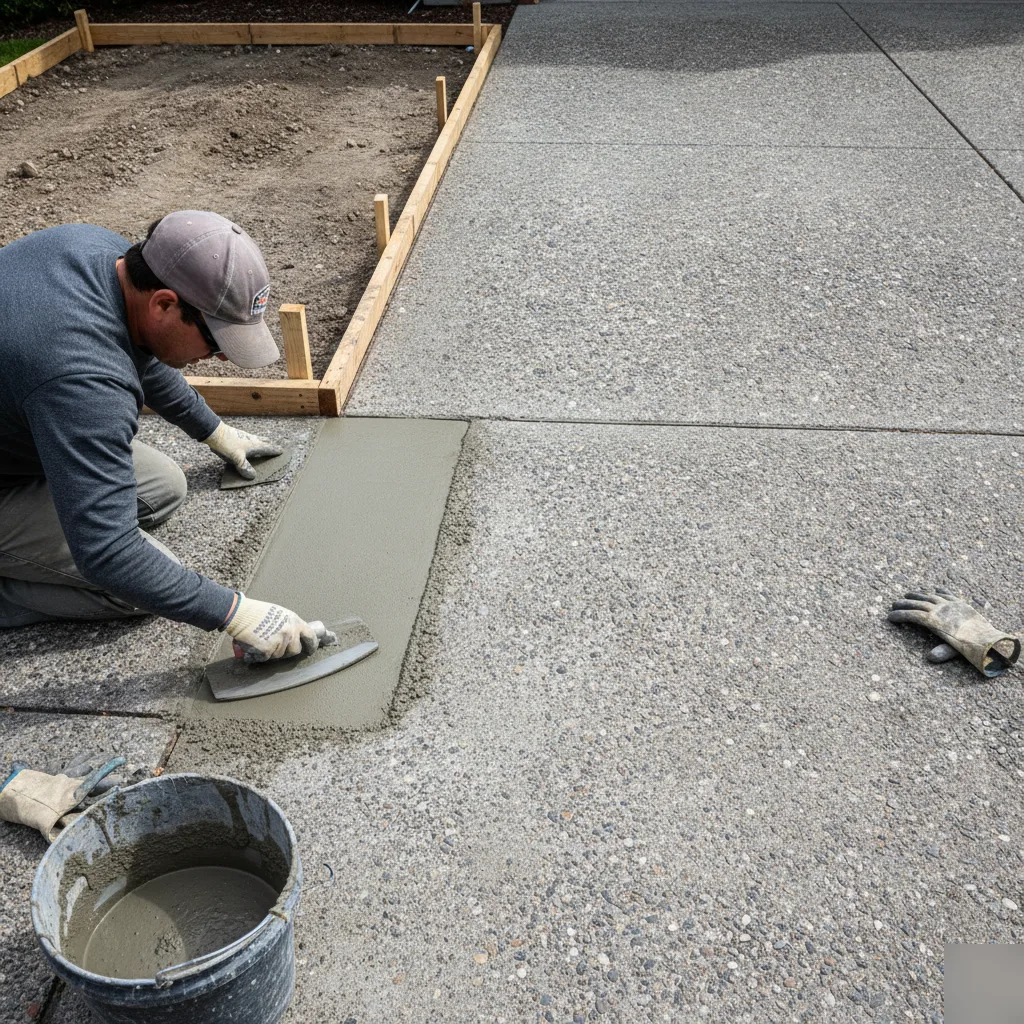
Good blacktop sealing earns its keep in a few specific ways:
- It blocks water from getting in — water penetration is the top cause of freeze-thaw damage in Eastern Washington driveways.
- It slows the sun's oxidation process, which turns flexible asphalt gray and brittle over time.
- It protects against gasoline and oil stains that can soak deep into unprotected blacktop.
- It restores a fresh, deep-black appearance that improves your home's curb appeal.
Asphalt surfaces that are sealed properly last longer than unsealed ones because the binder stays protected. We've seen it firsthand over 11 years of repairing and restoring driveways here — blacktop that gets sealed on a regular schedule holds up through Spokane winters far better than blacktop that doesn't.
What Sealing Doesn't Do
This is where people go wrong. Sealing can't fix problems that already exist. Deep cracks? Sealcoat can't fill those. A sunken section near your garage door? Sealcoat won't lift it. A crumbling apron edge? It will keep crumbling right through the sealer.
We've seen it happen over and over — someone applies sealcoat to a driveway that already has problems. It looks decent for a few weeks. Then the cracks break back through, sometimes worse than before.
Sealing is a maintenance step, not a repair.
Think of it like painting a shed. If the wood panels have rotted, you rebuild them first — then you paint. A blacktop driveway works the same way. Fix the cracks or resurface the driveway first. Then seal. The seal protects the work you've done and extends its life. It doesn't substitute for the work itself.
Every Spokane Valley driveway is in a constant battle. 100-degree summer days. Sub-zero January nights. That thermal rollercoaster wears pavement down fast. Sealing can slow that process — but it can't stop it, and it can't reverse damage that's already done. If your driveway is in decent shape, sealing today saves you real money down the road. If you're seeing extensive cracking or base instability, sealing alone won't cut it. Don't seal over a problem.
When Your Driveway Is Not Yet Beyond Sealing
A lot of Spokane Valley driveways are still salvageable — and still worth sealing. We meet homeowners every year who think their driveway is done. Sometimes they're right. But often there's still a window to seal and protect what's there before the problems get out of hand.
Generally speaking, a driveway that's still dark in most areas and only has a few very fine surface cracks is a good candidate for sealing. Those are positive signs that the base underneath is still solid. Sealing now protects it from the moisture that will get in during the next freeze-thaw cycle — and in Spokane Valley, that cycle is definitely coming.
What a Driveway Still Within the Sealing Window Looks Like
Here's what we look for when deciding if a driveway in Spokane Valley — or along the Sullivan Road corridor — is still in good enough shape to seal:
- Surface cracks smaller than a quarter inch with no signs they're spreading into a web pattern
- Color fading to gray, but no broken or loose edges that expose the aggregate beneath
- Some standing water after rain, but it drains within a couple of hours
- A rough texture, but the surface doesn't crumble when you press on it with your boot
If your driveway shows two or more of those signs, you're still in the window. Once cracks get deeper than half an inch, water starts reaching the base. One harsh Spokane Valley winter can turn that crack into a missing chunk of driveway — and we've seen exactly that happen in Hillyard and Cheney.
When a Driveway Can No Longer Be Saved by Sealing Alone
This happens more often than people expect. Sealing a driveway that's starting to fall apart is like painting over rust. It looks okay for a month. Then the damage shows right through — and sometimes worse.
If you're seeing alligator cracking across large areas, deep potholes, or edges that crumble when you step on them, sealing is not going to help. You need concrete driveway repair or driveway resurfacing first. Sealing is for driveways in good condition. It will not fix driveways in bad condition. It really is that simple.
A caller on Sprague Avenue wanted her driveway sealed a couple of years back. When we pulled up, the apron was popping up quarter-sized pieces of concrete all over. That should never have been sealed — it would have been a waste of money. We recommended targeted crack repair in the worst areas, then resurfaced the rest. The driveway is in great shape now and ready to be sealed properly for years to come.
One more local detail worth knowing. The line between "can be sealed" and "needs repair first" shifts with Spokane Valley's weather. We see temperature swings of 50 degrees or more between seasons. Water that gets into a tiny crack in October is frozen solid by November. By March, that hairline crack has become a real pothole problem. Staying ahead of that cycle is the whole point of sealing — and why it matters to know where your driveway actually stands before you spend money on it.
Not sure which side of the line your driveway is on? A quick inspection from our crew can tell you within minutes. We've been doing this for 11 years across Spokane Valley, Coeur d'Alene, and Liberty Lake. The answer is always straightforward — either the surface is ready to seal, or there's repair work that needs to come first. Either way, you'll know exactly what to expect.
When Sealing a Driveway Will Do No Good: Three Common Situations\
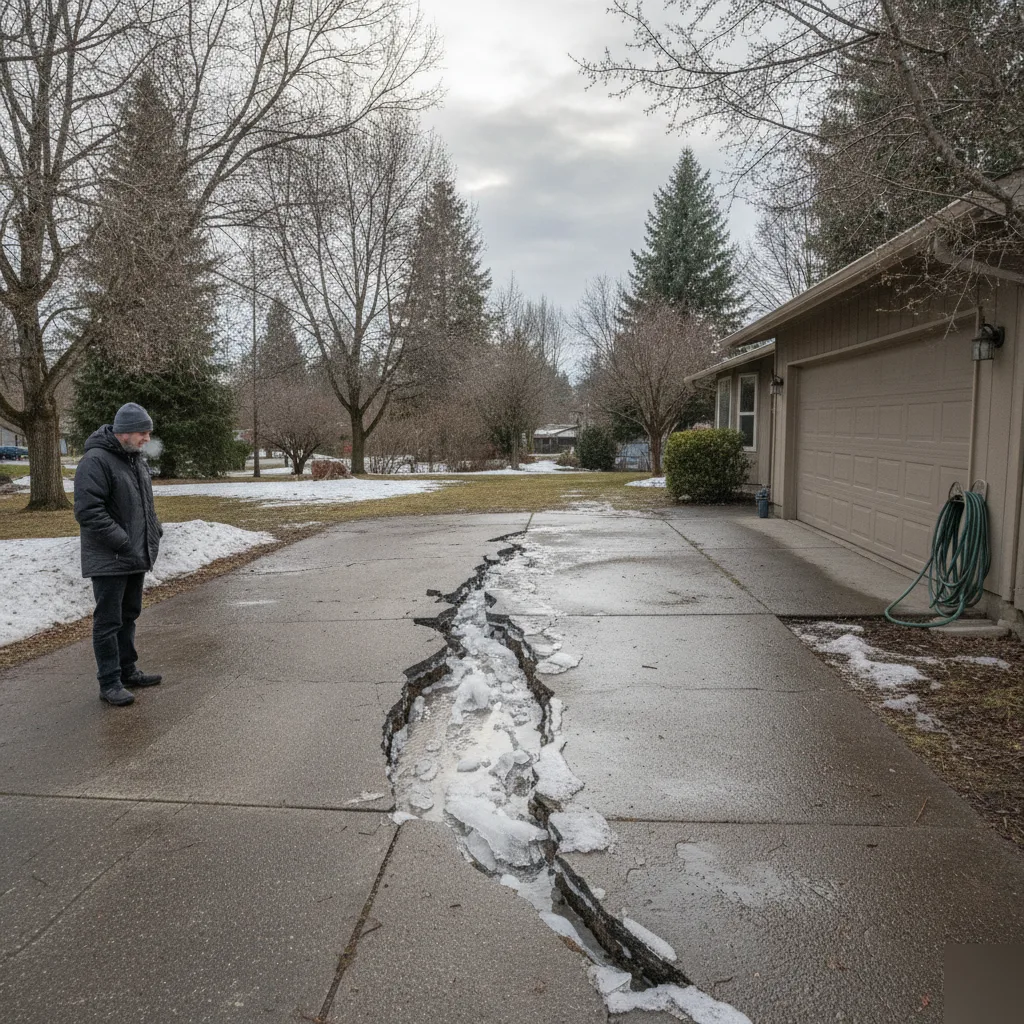
Sealing an asphalt driveway isn't a fix for every cracked surface. Most homeowners have been there — they see some cracks, discoloration, or a weak spot and figure a driveway sealer will take care of it. Sometimes it will. But sometimes it's like putting a Band-Aid on a broken leg. We see this too often.
After 11 years of concrete and driveway work in Spokane Valley, we know that sealing only works when the structure underneath is solid. When the foundation of the driveway has already failed, no amount of sealant will fix it. Knowing when sealing isn't the answer can save you from throwing good money at the wrong problem.
Situation 1: Structural Cracking
Small hairline cracks? Sealant can keep those from spreading — no problem. But cracks wider than a quarter inch, or cracks that go deep enough to reach the base, are a different story. Sealant isn't built to bridge a structural gap. In the Sullivan Road area and throughout Spokane Valley, winter water will find its way into those cracks. It freezes. It expands. And it rips the surface apart from underneath.
Sealant just sits on top. It can't hold a driveway together from the inside. Deep cracks need concrete crack repair or driveway resurfacing first. Sealing over them traps moisture underneath — and by next spring the problem is worse, not better.
Situation 2: A Failed or Shifted Driveway Base
Have you noticed sections of your driveway that have sunken or heaved up? That's a base problem. The ground underneath has shifted — settled unevenly or washed away. This is common in Spokane Valley because the soil here has a lot of clay, and clay expands and contracts a lot when it gets wet.
Sealing a driveway with a bad base is like painting a crumbling wall. It might look better for a week or two. Then the base moves again, new cracks appear, and you've wasted your time and money. Driveway resurfacing — or even full replacement — may be needed. A local concrete contractor can tell you whether the base needs to be rebuilt before any surface work makes sense. A driveway has to have a solid base before surface improvements are worth anything.
Situation 3: Surfaces That Are Beyond Repair
Sometimes a driveway has been neglected for too long. Large pieces are flaking off. The concrete has crumbled and spalled extensively. We've walked onto sites where the homeowner was considering sealing a driveway that was more than 80% deteriorated. That's not a seal job — that's a full driveway repair and restoration.
Here are the clear signs your driveway is past the point where sealing helps:
- Large areas of loose or disintegrating surface pieces
- Interconnecting cracks running throughout the slab in a web pattern
- The underlying base is visible where the surface has worn away completely
- Pooling or standing water in sunken areas that doesn't drain after a storm
If you see any two of those signs, a sealer is not going to save you. A driveway repair company needs to restore the structure and surface first. A solid fix beats an ineffective bandage every time.
Here's how to check for yourself. Look at the cracks and tug on the deteriorated edges. If a piece breaks off in your hand, the answer is right in front of you. You can also call us — we'll give you an honest opinion and a free estimate. We're not here to talk you out of sealing. We're here to make sure your money goes where it will actually do some good. Sealing is smart preventative maintenance for a driveway that's in decent shape. It has no place on a driveway that's already failing. We solve concrete problems — we don't cover them up.
Frequently Asked Questions
How do I know if I should seal my driveway myself or call a professional?
You can handle a small DIY sealing job if your driveway is in good shape with no deep cracks. But if you see cracks wider than a quarter inch, soft spots, or crumbling edges, call a pro first. A trained crew can spot base damage that hides under the surface. Sealing over hidden problems traps moisture and makes things worse. If you're unsure what condition your driveway is actually in, a quick inspection can save you from wasting time and materials on a driveway that needs repair — not sealant.
How does Spokane Valley weather affect when I should seal my driveway?
Spokane Valley's hot summers and freezing winters make timing matter a lot. Sealing works best when temperatures are in a moderate range, so many homeowners choose late spring or early fall. Sealing before winter helps block water from freezing inside small cracks. That freeze-thaw cycle is the top cause of driveway damage in our area. Waiting until after a hard freeze often means you're sealing over damage that's already started.
Can sealing fix cracks in my driveway?
No — sealcoat cannot fix cracks. It only coats the surface and blocks water and UV rays from causing more damage. Cracks deeper than half an inch, sunken areas, or crumbling edges need repair work first. Sealing over these problems just hides them temporarily before they return, often worse. If your driveway has any of these signs, repair should come before sealing — not instead of it.
What's the biggest misconception about sealing a blacktop driveway?
The biggest misconception is that sealing works like a permanent shield. It doesn't. Sealcoat is a maintenance layer — not a fix for existing damage. Many Spokane Valley homeowners seal over cracks or sunken spots hoping it will hold. Instead, the cracks usually break back through within weeks. Sealing protects a healthy driveway from future damage. It cannot repair a driveway that already has structural problems.
How often should I reseal my blacktop driveway?
Most Spokane Valley driveways benefit from resealing every two to three years. Sun exposure and winter freeze-thaw cycles wear down the seal faster than in milder climates. Checking your driveway each spring helps you catch fading color or new fine cracks early. Sealing on a regular schedule keeps the asphalt binder protected and helps your driveway hold up through the next freeze-thaw season.
Is sealing worth it for a driveway that's still in decent shape?
Yes — sealing is worth it when your driveway still has only fine cracks and no crumbling edges. Sealing now protects the solid base you already have and slows down sun and water damage. Waiting too long can push your driveway past the point where sealing alone helps. If you want a clear answer on your driveway's condition, we're happy to take a look and give you an honest assessment at no cost.
Ready to Experience the Concrete Revival Difference?
Complete Service Area Coverage
- Spokane and Spokane Valley
- Coeur d'Alene metro area
- Deer Park and Newport
- Liberty Lake and Otis Orchards
- Cheney and Medical Lake
- Post Falls and Rathdrum