
Is It Too Late to Seal Your Driveway in October? What You Need to Know in Spokane Valley
Here's the honest truth. Temperature matters more than the calendar date. You could seal a driveway on October 25th and get great results. Or you could try on October 3rd and watch the whole job fail. It all depends on what the thermometer says.
Sealcoating products need warm air and warm pavement to cure properly. Most manufacturers require a minimum of 50°F during application. But that's not the whole story. The temperature also needs to stay above 50°F for at least 24 hours after the sealant goes down. If it drops below that threshold overnight, the coating won't bond to your driveway the way it should.

So what does October actually look like in Spokane Valley?
According to the National Weather Service, average high temperatures in early October here hover around 60°F to 65°F. That's workable. By mid-October, highs typically drop into the mid-50s. And by the last week of the month, you're often looking at highs near 48°F to 52°F. Those overnight lows? They regularly dip into the low 30s by late October.
That narrow window matters a lot.
We see homeowners make this mistake all the time. They check the daytime forecast, see 55°F, and assume they're good. But they forget about the overnight low. Sealant that gets hit with a 32°F night before it's fully cured will crack, peel, or simply wash away with the first rain. You've spent your Saturday and your money for nothing.
Early October is your best bet in Spokane Valley. The first two weeks usually give you enough consecutive warm hours to get a proper cure. Think of it like wet concrete. You wouldn't pour a sidewalk and then let it freeze that same night. Sealcoating works the same way. It needs time and warmth to harden into a protective layer.
There's another factor people overlook: ground temperature. Even if the air feels warm enough, your driveway surface might be colder than you think. Driveways in shaded areas along streets near Dishman or closer to the Spokane River corridor can stay cooler because of morning frost that lingers. A sunny, south-facing driveway in the Greenacres area will warm up faster and hold heat longer than one tucked behind a two-story house on the north side.
Here's a simple test we recommend. Place your hand flat on the driveway surface at 10 a.m. If it feels cold to the touch, it's probably below 50°F. A cheap infrared thermometer from any hardware store gives you an exact reading in seconds. That small step can save you from a failed seal job.
But what about those oddly warm October days? Spokane Valley gets them. Some years, you'll see a stretch of 65°F weather in the third week of October. If the overnight lows stay above 50°F during that stretch, you absolutely can still seal your driveway. The key is watching the forecast closely and being ready to act fast when conditions line up.
Most people don't realize this until it's too late. The difference between a successful October sealcoat and a wasted one often comes down to a 48-hour weather window. If you're already thinking about driveway sealcoating and the forecast looks promising, don't wait for next weekend. Next weekend might be 15 degrees colder.
One last thing about temperature: humidity plays a supporting role too. High humidity slows down the curing process. October mornings in Spokane Valley often bring fog and dew, especially near the valley floor. That moisture sits on your fresh sealcoat and extends dry time. So even on a warm day, an early morning application isn't ideal. Wait until the dew burns off. Late morning through early afternoon gives you the warmest pavement and the driest air.
Signs Your Driveway Needs Sealing Before Winter Arrives
Your driveway talks to you. Most people just don't know how to listen. Before Spokane Valley's freeze-thaw cycles kick in hard, your driveway will show clear warning signs that it needs protection. Catching them now can save you from expensive repairs come spring.
The easiest sign to spot is fading. Fresh sealcoat looks rich and dark. Over time, sun and weather strip away that protective layer. If your driveway has turned a dull gray, the binder that holds the pavement together is exposed and breaking down. That gray color isn't just ugly. It means your surface is vulnerable.
Hairline cracks are another red flag. We see this mistake all the time. Homeowners notice tiny cracks and think they're no big deal. But here's what actually happens. Water seeps into those cracks during fall rain. Then temperatures drop below freezing overnight. That water expands as ice, pushing the crack wider. By March, what started as a hairline fracture can become a pothole. Water infiltration is the single biggest cause of pavement failure.
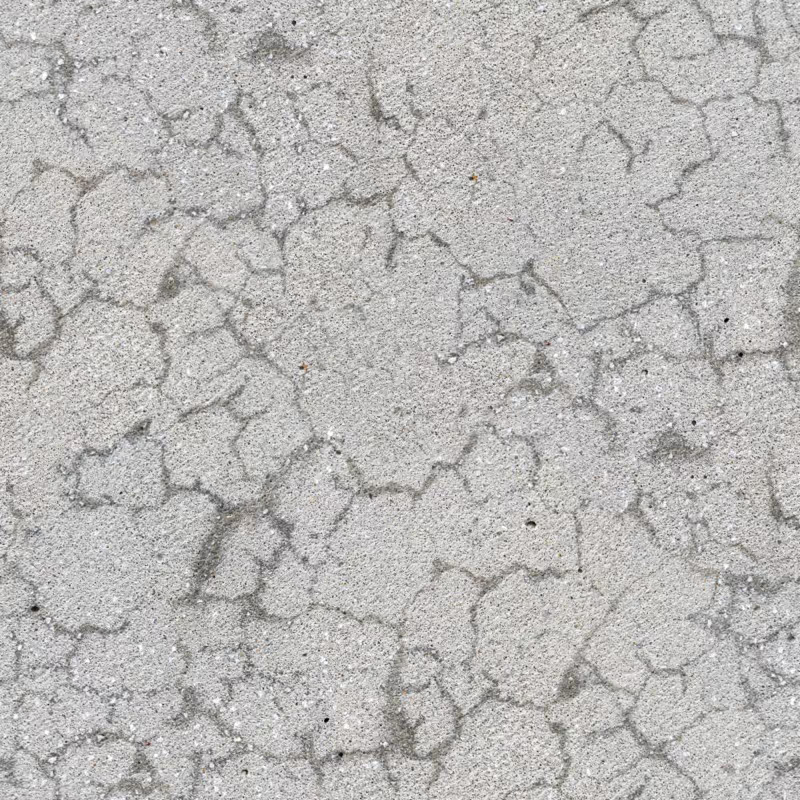
So how do you check? Walk your driveway slowly on a dry afternoon. Look for these things:
- Cracks wider than a pencil tip
- Rough or crumbling edges along the sides
- Areas where small pieces of aggregate are loose on the surface
- Spots that hold puddles after rain instead of draining
Any of those mean your seal is gone or failing.
Raveling is one most people don't notice until it's too late. That's when the small stones in the pavement start coming loose. You'll notice gritty debris near your garage door or at the bottom of your driveway. Run your hand across the surface. If it feels rough like sandpaper and bits come off, the top layer is deteriorating fast.
Pooling water deserves its own attention. A healthy sealed driveway sheds water quickly. If you see standing puddles hours after a rainstorm, the surface has likely developed low spots where the base is weakening — and that's a clear sign driveway repair and restoration may be needed before the damage spreads. In Spokane Valley, where fall storms can dump steady rain for days, those puddles freeze into ice patches that accelerate deterioration and create serious slip hazards. Catching these warning signs early makes driveway repair and restoration far more straightforward and cost-effective than waiting until the base has fully compromised.
Here's a real scenario we ran into last October. A homeowner near Greenacres noticed their driveway looked "a little worn" but figured it could wait until spring. By February, three cracks had spread into a network across half the driveway. The repair cost far more than a simple sealcoat would have. Timing matters.
One more thing to check. Look at where your driveway meets the garage floor or sidewalk. Gaps forming at those joints let water run underneath the slab. That undermines the base layer and leads to sinking or heaving. If you see separation there, sealing sooner rather than later is smart.
But don't panic if you spot several of these signs at once. Most driveways in the three-to-five-year range after their last sealcoat will show at least a couple. The key is acting before winter locks everything in place. October still gives you a window to address these issues.
What Happens If You Skip Sealing and Wait Until Spring
Here's the honest truth. Your driveway doesn't take the winter off just because you did.
Spokane Valley winters are tough on pavement. We're talking freeze-thaw cycles that start as early as November and keep going through March. Water seeps into tiny cracks in your pavement. Then it freezes. When water freezes, it expands by about nine percent. That might sound small, but it's enough to turn a hairline crack into a real problem by spring.
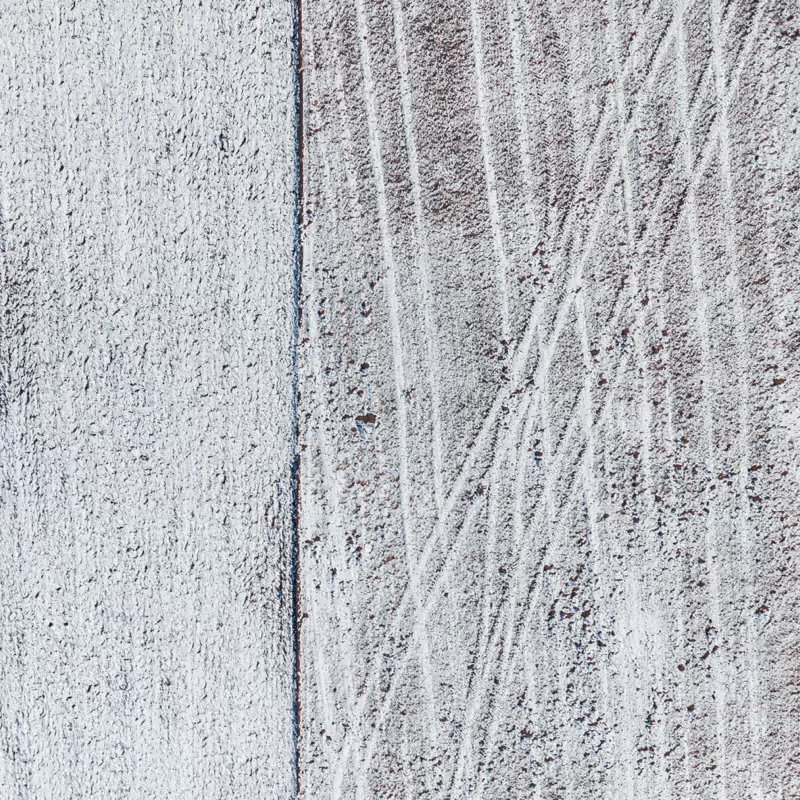
We see this every single year. A homeowner figures they'll just deal with it in April. Then the snow melts and they're staring at a driveway that looks five years older than it did in September. Those small cracks from summer? Now they're wide enough to catch a shoe heel. And some have turned into potholes.
So what exactly happens during those cold months?
Unsealed pavement is porous. It absorbs moisture like a sponge. Once that moisture gets below the surface, each freeze-thaw cycle pushes the damage deeper. The base layer underneath starts to shift and weaken. Oxidation and moisture penetration are the two leading causes of premature pavement failure. An unsealed driveway faces both all winter long.
But it's not just cracking you need to worry about. Road salt and de-icing chemicals are common along streets near Sprague Avenue, Sullivan Road, and throughout Spokane Valley neighborhoods. Vehicles track that salt right onto your driveway. On unsealed pavement, those chemicals accelerate surface breakdown. The top layer gets brittle and starts to flake apart. That's called raveling, and it's ugly and expensive to fix.
Think about it this way. A sealed driveway has a protective barrier that blocks moisture and chemicals. An unsealed one is completely exposed. Every storm, every cold snap, every sunny afternoon that melts ice just enough for it to refreeze at night — all of it chips away at your pavement.
One scenario we run into a lot: a family skips fall sealing because life got busy. By March, their driveway has a network of new cracks and a soft spot near the garage apron where water pooled and froze repeatedly. Now instead of a straightforward sealcoating job, they're looking at crack filling, patching, and then sealing. The repair work that could've been avoided ends up taking more time and money.
Most people don't realize this until it's too late. Spring damage from an unsealed winter isn't cosmetic. It's structural. Once the base layer is compromised, sealcoating alone won't solve the problem. You'll need actual repairs before you can even think about sealing.
And here's something else worth knowing. Spring in Spokane Valley doesn't cooperate right away. Ground temps need to stay above 50°F consistently before sealcoat will cure properly. That often means waiting until late May or even June. So "waiting until spring" really means your driveway goes unprotected for seven or eight months — not four or five.
That's a long time to leave your biggest flat surface exposed to the elements.
Frequently Asked Questions
Is it too late to seal your driveway in October in Spokane Valley?
It depends on the temperatures, not just the date. Early October in Spokane Valley usually works fine, with daytime highs around 60°F to 65°F. Mid-October gets tricky, and late October is often too cold. You need air and pavement temperatures above 50°F during application and for at least 24 hours after. Check overnight lows carefully. A warm afternoon followed by a 32°F night will ruin a fresh sealcoat.
How does Spokane Valley's fall weather affect driveway sealing?
Spokane Valley's fall weather creates a narrow window for sealing. The National Weather Service shows average October highs starting around 60°F to 65°F and dropping to near 48°F to 52°F by late month. Overnight lows regularly hit the low 30s by late October. Morning fog and dew near the valley floor also slow curing time. Shaded driveways near the Spokane River corridor stay cooler longer. South-facing driveways in spots like Greenacres warm up faster and hold heat better.
What are the signs that a driveway needs sealing before winter?
Your driveway shows clear warning signs when it needs sealing. Look for a dull gray color instead of dark pavement, hairline cracks, crumbling edges, loose stones near your garage door, or puddles that sit for hours after rain. Hairline cracks are easy to ignore, but water gets in, freezes, and turns small cracks into potholes by spring. Walk your driveway slowly on a dry afternoon and run your hand across the surface. Rough, gritty texture means the top layer is breaking down fast.
What temperature does it need to be to seal a driveway?
The minimum temperature for sealcoating is 50°F, both in the air and on the pavement surface. That temperature needs to hold for at least 24 hours after you apply the sealant. Daytime highs alone are not enough. If overnight lows drop into the 30s, the sealant will not cure properly. It may crack, peel, or wash away. Use a cheap infrared thermometer to check your actual pavement surface temperature before you start.
Can you seal a driveway if rain is in the forecast?
No, you should not seal a driveway if rain is expected within 24 hours. Fresh sealcoat needs dry conditions to bond and cure. Rain hitting an uncured surface will dilute the sealant and ruin the job. In Spokane Valley, October storms can roll in quickly. Always check a 48-hour forecast before you start. Wait until the dew burns off in the morning too. Late morning to early afternoon gives you the driest air and warmest pavement.
Should you hire a professional or seal your driveway yourself in October?
If your driveway has only minor fading and no cracks, a DIY sealcoat in early October can work if conditions are right. But if you see cracks wider than a pencil tip, loose stones, or pooling water, call a professional. Those signs often mean the base needs repair before sealing. Sealing over a failing surface just hides the problem. A professional can spot base issues, prep the surface correctly, and pick the right product for Spokane Valley's fall conditions.
Ready to Experience the Concrete Revival Difference?
Complete Service Area Coverage
- Spokane and Spokane Valley
- Coeur d'Alene metro area
- Deer Park and Newport
- Liberty Lake and Otis Orchards
- Cheney and Medical Lake
- Post Falls and Rathdrum