How to Choose a Concrete Contractor in Spokane
Spokane Valley winters don't forgive bad concrete work. Temperatures here swing from 95°F in July down to single digits by January. That cycle of freezing and thawing puts real stress on every slab, every driveway, every garage floor. And if the person who poured it cut corners, you'll see the damage.
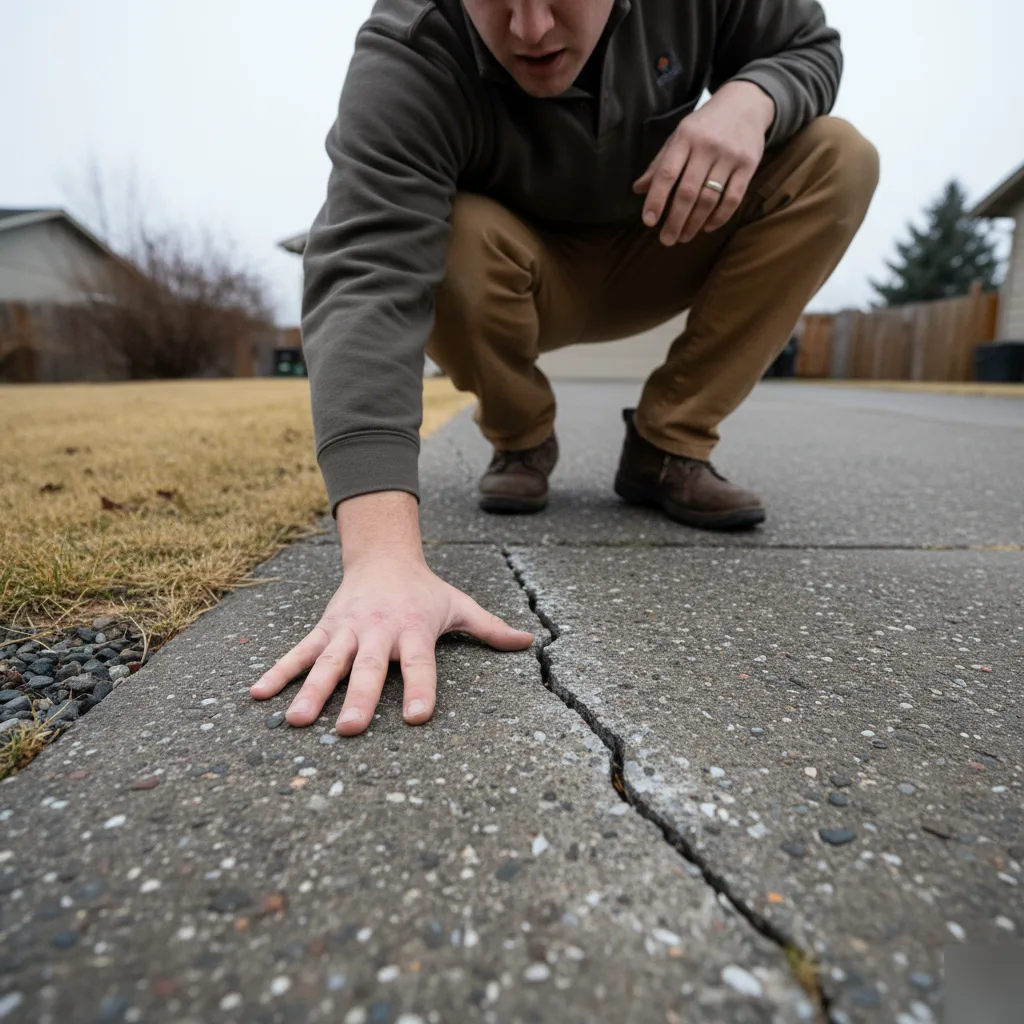
We've been doing this for over 20 years. In that time, we've torn out and replaced work from contractors who disappeared after cashing the check. Crumbling driveways along the Sullivan Road corridor. Garage floors near Greenacres that started flaking after one winter. The pattern is always the same: the homeowner hired someone without asking the right questions first.
That's exactly why learning how to choose a concrete contractor in Spokane matters so much. These 6 questions to ask before you hire aren't just nice to have. They're the difference between a slab that lasts 20 years and one that cracks before spring.
The Real Cost of Skipping Your Homework
Here's what happens when you don't vet a concrete contractor. You find someone. They show up. The pour looks fine for a few months. Then freeze-thaw cycles do their thing, the surface starts spalling, and cracks spider out from the edges. Now you need concrete crack repair on top of what you already paid.
Most people don't catch this until it's too late. A bad concrete job doesn't just fail once. It creates a chain of problems:
- Water seeps into cracks and freezes, making them wider every winter
- Uneven settling creates trip hazards on walkways and patios
- Surface damage lets moisture reach the subbase, weakening the whole structure
- You end up paying for driveway repair or full replacement years ahead of schedule
The Portland Cement Association notes that proper curing alone can increase concrete strength by up to 50 percent. Skip that step and you've already built in failure. A professional concrete contractor knows this. A guy with a truck and a mixer might not.
What "Licensed and Insured" Actually Means for You
Every concrete contractor in Spokane should carry a valid Washington State contractor's license. That's not optional. It's the law. But you'd be surprised how many people never ask to see it.
A license means the contractor is registered, has a bond on file, and carries liability insurance. If something goes wrong on your property, you have recourse. Without it? You're on your own. No bond claim. No insurance payout. Just a busted driveway and a phone number that stops working.
We see this mistake constantly in Spokane Valley. Someone gets three bids, picks the lowest one, and never checks credentials. The job goes sideways. And now they're calling a local concrete contractor like us to fix what should've been done right the first time.
Why Spokane's Climate Makes This Decision Bigger
Concrete work in Phoenix is different from concrete work here. Period.
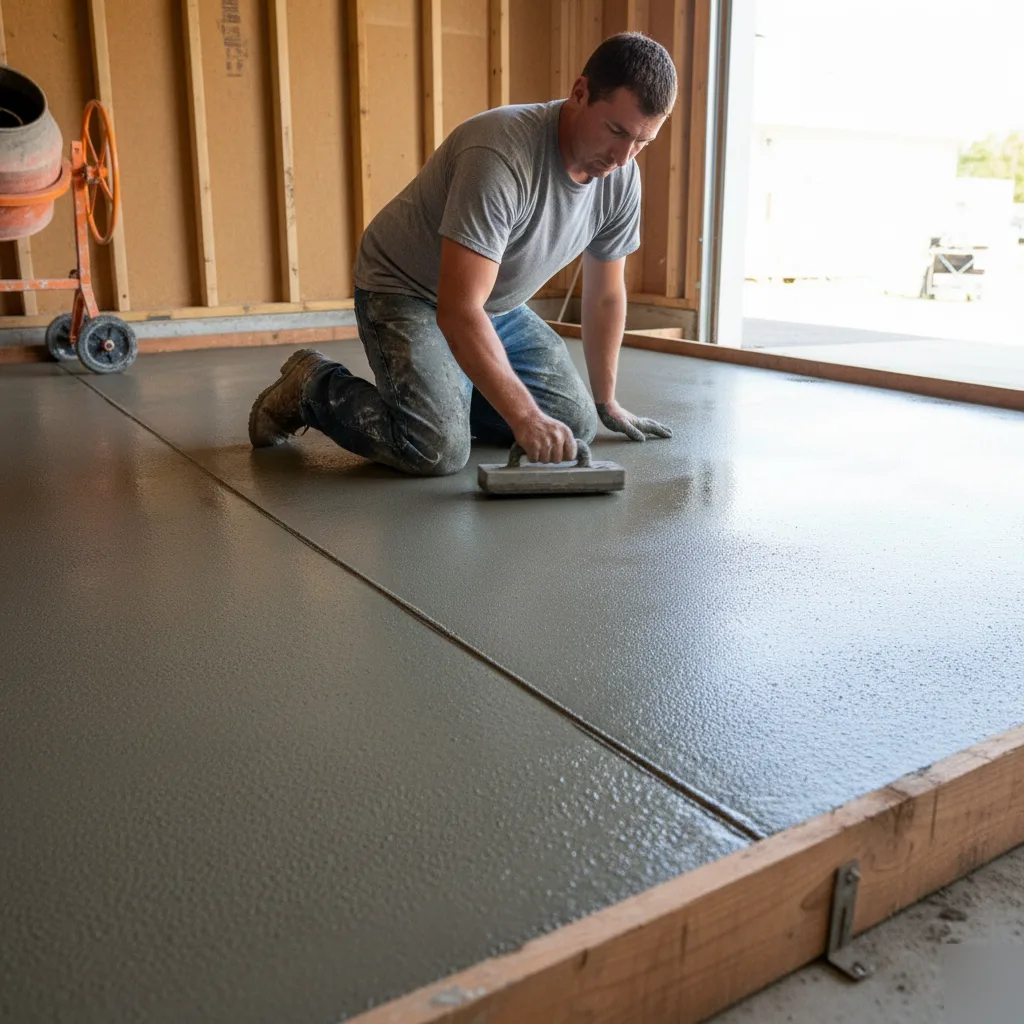
Spokane Valley gets roughly 45 inches of snow per year. Ground temperatures swing hard between seasons. That means the mix design, the depth of the pour, the reinforcement strategy, and the curing timeline all need to account for local conditions. A contractor who's done 500 driveways in Arizona doesn't know what a Spokane winter will do to their work.
Ask any experienced concrete contractor about air entrainment. It's a technique that adds tiny air bubbles to the mix so water has room to expand when it freezes. Standard practice here. But contractors from out of the area sometimes skip it because they don't understand our freeze-thaw cycles. That single oversight can destroy a driveway in two winters.
So before you sign anything, make sure the contractor has direct experience with Spokane's conditions. Not just "cold weather" experience. Spokane experience. There's a real difference. Before you start collecting bids, it also helps to review a checklist for finding and hiring a qualified contractor from the National Association of Home Builders — it covers the key verification steps that apply to any skilled trade hire.
If you're starting to think about a project and want to talk through what's involved, our concrete contractor services page walks through exactly what we do and how we handle Spokane's tough climate. Worth a look before you start collecting bids.
Vetting your contractor isn't about being picky. It's about protecting your money and your property. The questions you ask before signing matter more than anything that happens after the truck shows up.
Red Flags to Watch for When Getting Concrete Quotes in Spokane Valley
Getting quotes is smart. Getting bad quotes is dangerous. After more than two decades of fixing other contractors' mistakes across Spokane Valley, we can tell you the warning signs are almost always there from the start. Most homeowners just don't know what to look for.
So let's fix that.
The quote itself tells you a lot about the contractor. A professional concrete contractor will hand you a written estimate that breaks down the scope of work. If someone gives you a number scribbled on the back of a business card, that's your first red flag. Vague quotes lead to vague work. And vague work leads to cracked concrete after one Spokane Valley winter.
The Biggest Red Flags We See
Here's what should make you pause before signing anything:
- No mention of site prep or base work. Concrete is only as good as what's underneath it. If the quote skips over gravel base, compaction, or grading, that contractor is cutting corners before the truck even shows up.
- No timeline or project schedule. A real concrete contractor in Spokane knows that timing matters here. Our freeze-thaw cycles mean pouring temps and cure times aren't optional details. They matter.
- Pressure to pay everything upfront. A deposit is normal. Full payment before work starts is not. Walk away from that one every time.
- They can't show you local work. If a contractor doing driveway repair in Spokane can't point you to a single finished project nearby, ask yourself why.
- No license or insurance info on the quote. Washington State requires contractor registration. If they dodge that question, they'll dodge accountability too.
Any one of these alone is a concern. Two or more together? That's a pattern.
The "Too Low" Quote Problem
We see this mistake all the time. A homeowner gets three quotes for concrete driveway repair. Two are in the same range. One is way lower. They pick the low one. Six months later, the surface is spalling, the edges are crumbling, and they're calling us to redo the whole thing.
That low quote usually means something got left out. Thin pour depth. No rebar or fiber mesh. A mix design that can't handle the temperature swings along the Sullivan Road corridor or up near Dishman (and those swings are no joke by February). Spokane Valley sees temperature drops that punish weak concrete. A quote that doesn't account for our climate is a quote that's going to cost you twice.

But a higher quote isn't automatically better either. The right quote explains what you're paying for and why each step matters.
Watch How They Communicate
The quote process is a preview of the entire job. Pay attention to how they respond. Do they answer your questions directly? Do they show up when they say they will for the estimate?
We had a customer near Greenacres last spring who told us she'd waited three weeks for another contractor to send a written quote. It never came. That tells you everything. If a local concrete contractor can't get organized enough to send an estimate, imagine what happens when they're managing your concrete crack repair or a full driveway pour.
A good contractor asks you questions too. They want to know about drainage issues, how you use the space, whether you've had previous repairs. Someone who shows up for five minutes and emails a number without really looking at the site is guessing.
Verbal Promises Don't Survive Winter
Get it in writing. All of it.
Scope of work, materials, timeline, cleanup expectations. If a contractor promises stamped concrete or decorative concrete finishes but the written quote just says "concrete flatwork," you've got a problem waiting to happen. The document protects both sides, it keeps everyone straight about what was agreed to.
Spokane Valley homeowners deal with enough stress from our brutal winters without adding contractor disputes to the list. A clear, detailed quote from a professional concrete contractor eliminates most of that risk before the first shovel hits dirt.
If you're comparing quotes right now and something feels off, trust that instinct. Check out our concrete contractor services page to see how we handle estimates and what a real scope of work looks like. We've been doing this across Spokane Valley for over 20 years, what belongs in a quote and what's missing from a bad one.
Frequently Asked Questions
Does Spokane Valley's freeze-thaw cycle really change what I should ask a concrete contractor?
Does Spokane Valley's freeze-thaw cycle really change what I should ask a concrete contractor?Yes, it absolutely does. Spokane Valley winters push concrete through hard freeze-thaw cycles every year. That means you need to ask your contractor specifically about air entrainment, mix design, and curing timelines for cold weather. A contractor without local experience may skip these steps. One missed detail — like skipping air entrainment — can destroy a driveway in just two winters. Always ask if they've poured concrete in Spokane Valley before, not just in cold climates generally.
Is it a red flag if a concrete contractor asks for full payment before starting work?
Is it a red flag if a concrete contractor asks for full payment before starting work?Yes, that's a clear red flag. A deposit is normal and expected. Full payment before any work begins is not. Legitimate concrete contractors in Spokane Valley don't need all the money upfront. If someone pressures you to pay everything before the first shovel hits the ground, walk away. This is one of the most common warning signs we see before a job goes badly wrong. Our concrete contractor services page explains how a proper project agreement should be structured.
How do I know if a concrete contractor actually has experience with Spokane Valley conditions?
How do I know if a concrete contractor actually has experience with Spokane Valley conditions?Ask them to show you local work they've completed. A contractor with real Spokane Valley experience should be able to point you to finished driveways, slabs, or patios nearby. Ask specifically about their process for cold-weather pours and how they handle curing when temperatures drop. If they can't answer those questions clearly, or can't show you local references, that tells you what you need to know before you sign anything.
What's the difference between a licensed contractor and just someone with a truck and a mixer?
What's the difference between a licensed contractor and just someone with a truck and a mixer?A licensed contractor in Washington State carries a valid registration, a bond, and liability insurance. That matters a lot if something goes wrong on your property. An unlicensed person has none of that. If the job fails or causes damage, you have no real recourse. You can't file a bond claim. You can't go through their insurance. Always ask to see a contractor's license number and verify it before signing anything.
What's a common mistake homeowners make when getting concrete quotes in Spokane Valley?
What's a common mistake homeowners make when getting concrete quotes in Spokane Valley?The most common mistake is choosing the lowest bid without checking what's actually included. A vague quote with no mention of site prep, gravel base, or compaction is a warning sign. Concrete is only as strong as what's underneath it. If a contractor skips base work to lower the price, you'll pay for it later with cracking and settling. Always compare quotes line by line, not just the final number.
What should a written concrete estimate include before I agree to any work?
What should a written concrete estimate include before I agree to any work?A proper written estimate should break down the full scope of work. That means site prep, base grading, reinforcement details, mix specifications, and a project timeline. It should also include cleanup and what happens after the pour during the curing period. If someone hands you a single number with no breakdown, that's not a real estimate. Vague quotes almost always lead to vague work — and vague work fails fast in a Spokane Valley winter.
Ready to Experience the Concrete Revival Difference?
Complete Service Area Coverage
- Spokane and Spokane Valley
- Coeur d'Alene metro area
- Deer Park and Newport
- Liberty Lake and Otis Orchards
- Cheney and Medical Lake
- Post Falls and Rathdrum