
How Much Should You Expect to Spend Fixing a Driveway?
Most folks think fixing a driveway is just a flat rate. It isn't. The cost jumps all over based on a few things. Some you see, some are hiding. We've walked hundreds of driveways in Spokane Valley over the past 11 years. No two jobs ever cost the same.
Here’s what changes your final bill.
The Type of Damage
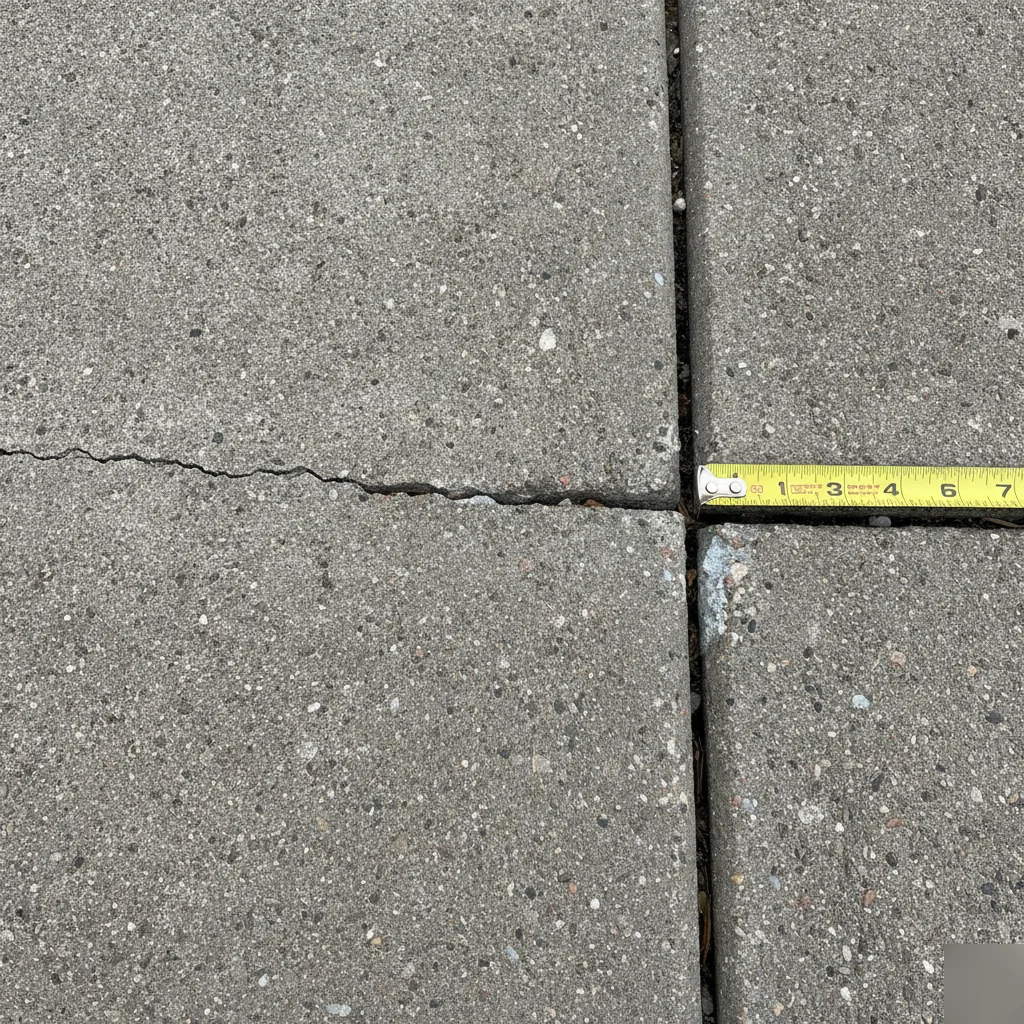
A tiny hairline crack is nothing like a slab that’s pushed up three inches. Small concrete crack repair on a solid surface means less time, fewer materials. But a driveway with deep surface spalling, a bunch of fractures, or sunken spots? That’s a much bigger job. The kind of damage tells us the method. The method dictates the labor. And labor, well, that's where the cost comes from.
We've seen homeowners near the Sullivan Road corridor wait two whole Spokane winters on a "small" crack. By spring, it's a trench. Our freeze-thaw cycles here in Spokane Valley don't let you delay.
Square Footage and Thickness
This one's pretty clear. A 200-square-foot patch costs less than resurfacing a 600-square-foot driveway. Thickness matters a lot, too. Most homes have four-inch slabs. But older homes? Sometimes they got thinner pours. Those crumble quicker. They need serious prep before any lasting repairs can hold.
What's Underneath
This is where customers often get a real surprise. If the base gravel washed out, or the soil shifted, you can’t just pour new concrete over the mess. The sub-base needs fixing first. Spokane Valley sits on a mix of glacial soils, (which can be a real headache) and we see settling problems all the time in neighborhoods off Sprague Avenue and near Greenacres. A bad base means extra digging, new compacted gravel, and more hours on the job.
Skipping base work is just painting over rust. It looks good for a month.
Access and Site Conditions
Can a concrete truck pull right up to your driveway? Or does our crew need to haul material 50 feet through a side yard? Tight lots, steep slopes, or tricky landscaping obstacles add time. And time equals money on a concrete revival job.
Driveways hidden behind fences or right up against retaining walls take longer to get ready and to pour. We always figure site access into every estimate. It's a real cost driver most folks miss.
Repair Method vs. Full Resurfacing
There’s a big difference between patching a few cracks and doing a full driveway resurfacing. A targeted concrete crack repair on an otherwise solid slab keeps costs lower. But if more than 30 to 40 percent of the surface is damaged, a full concrete resurfacing usually makes better sense for the long run., according to the Portland Cement Association, patching heavily deteriorated concrete often fails within a few years because the surrounding material keeps breaking down.
We walk every customer through this choice. Sometimes, a repair is the smart call. Other times, it's just throwing money at a slab that's done.
Spokane Valley's Climate Factor
You can’t talk about driveway repair costs here without talking about our Spokane winters. Spokane Valley gets over 40 inches of snow in a typical year. Water seeps into cracks. It freezes, expands, then thaws, and repeats. That freeze-thaw cycle is brutal on concrete. It means our concrete crack repair projects here often need more prep work than in milder places. The damage usually goes deeper. Our fix needs to be built to last through real conditions, making it winter-proof.
If you're trying to figure out what your driveway needs, the smartest move is getting a professional out to look at it. We offer free estimates and can tell you exactly what's driving the cost for your specific situation. Check out our driveway repair services to get started.
Repair vs. Replace: How to Tell Which One You Need
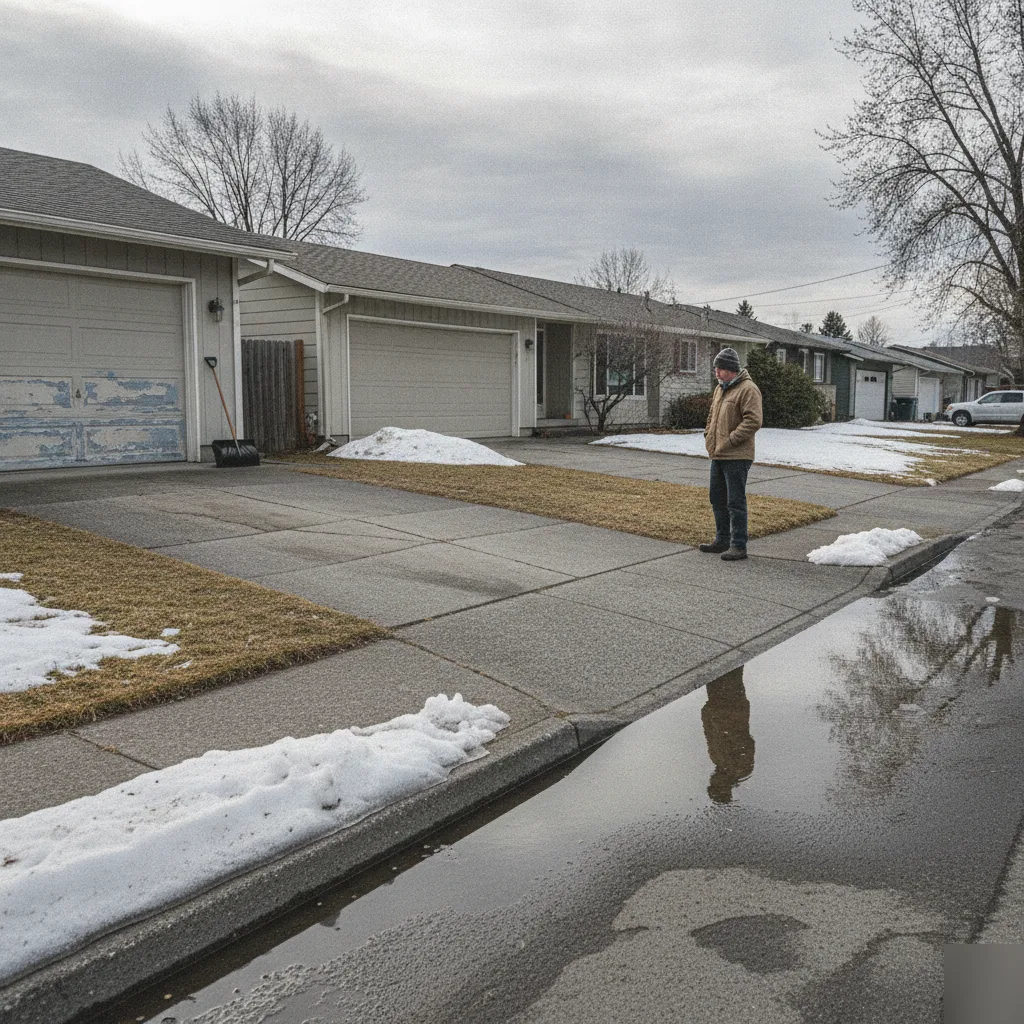
This is the question we hear most often. A homeowner in Spokane Valley sees cracks spreading across their driveway. They wonder if the whole thing needs to go. Sometimes it does. But most people jump to the worst conclusion too fast.
Here’s our honest answer: it depends on what's happening underneath.
Surface cracks, small chips, and minor surface spalling are almost always fixable. Concrete crack repair and driveway resurfacing can handle these problems without tearing everything out. We've fixed driveways along the Sullivan Road corridor that looked awful on top but had a perfectly solid base underneath. A good concrete revival job saved those homeowners thousands.
Signs You Can Repair
Not every crack means your driveway is done for. Look for these before you panic:
- Hairline cracks or cracks less than a quarter inch wide that haven't shifted.
- Surface flaking or pitting from freeze-thaw damage on an otherwise level slab.
- Discoloration or a worn-out finish with no structural movement.
- Isolated problem areas near the edges or the garage apron.
If you're seeing these, professional-grade concrete repair or driveway resurfacing will likely do the job. The slab is still holding strong, it just needs some help on top. We see this pattern a hundred times every spring in Spokane Valley after our Eastern Washington winter does its thing.
Signs You Need a Full Replacement
Replacement is a bigger project. You don't want to pay for it if you don't need it. But you also don't want to keep patching a driveway that's failing from the ground up. Here’s what tells us a slab is past saving:
- Large sections have sunk or heaved, creating uneven surfaces.
- Cracks are wider than half an inch and run deep through the entire slab.
- The base material has washed out or shifted completely underneath.
- You've already repaired the same spots multiple times.
Spokane Valley's freeze-thaw cycles are brutal on concrete. Water gets into small cracks in fall. It freezes and expands all winter. Then it thaws in spring. That cycle repeats dozens of times each season. According to the Portland Cement Association, repeated freeze-thaw exposure is one of the leading causes of concrete deterioration in northern climates. After 20 or 30 years of that, some driveways simply can't hold together anymore. (It's why our winter-proof process is so critical.)
We had a homeowner near Greenacres last year. They'd been patching the same driveway section every spring for four years straight. The base had eroded from poor drainage. No amount of surface repair was going to fix a foundation problem. That driveway needed replacement.
And here’s something most people don't realize until it's too late. A failing driveway doesn't just look bad. Uneven slabs create trip hazards. Crumbling edges let water pool against your garage foundation. Small problems turn into expensive ones fast. Think about your curb appeal, too.
So, how do you decide? Start with an honest look at the slab’s condition. Push on the edges of cracks. Check if sections rock or feel hollow when you step on them. If the slab moves, that's a base problem. If it's solid but ugly, that's a surface problem.
The smart move is getting a professional eye on it before you commit either way. If you're not sure where your driveway stands, our driveway repair page walks you through what we look at during a free estimate. We’ll tell you straight whether a durable repair makes sense, or if you're better off starting fresh, built once and built right.
Most homeowners wait too long. Don't be that person.
Signs Your Driveway Needs Attention Soon
Most homeowners wait too long. That's the truth. A small crack in October becomes a crumbling mess by March. Our Spokane winters and their freeze-thaw cycles don't forgive neglect, they punish it.
So how do you know when your driveway needs fixing? Here's what to watch for before things get worse.
Surface Cracks and Spalling
Hairline cracks look harmless. They're not. Water gets in. It freezes overnight. Then it expands. That tiny line becomes a network of broken concrete in just one winter. We've seen this crack pattern a hundred times along the Sullivan Road corridor and in neighborhoods near Greenacres. Surface spalling is when the top layer flakes off in chunks. It means moisture already got below the surface. If you're seeing rough patches where smooth concrete used to be, that's your warning sign.
Sinking or Uneven Slabs
Notice a section that sits lower than the rest? That's settlement. The soil underneath shifted or washed out. Spokane Valley sits on a mix of glacial deposits and sandy loam. The ground moves more than people think, by the way. Uneven slabs create trip hazards. They also pool water right where you absolutely don't want it.
And pooling water makes every other problem on this list worse, fast.
What Damage Looks Like at Each Stage
Not all driveway damage is the same. Here's a quick way to gauge where yours stands:
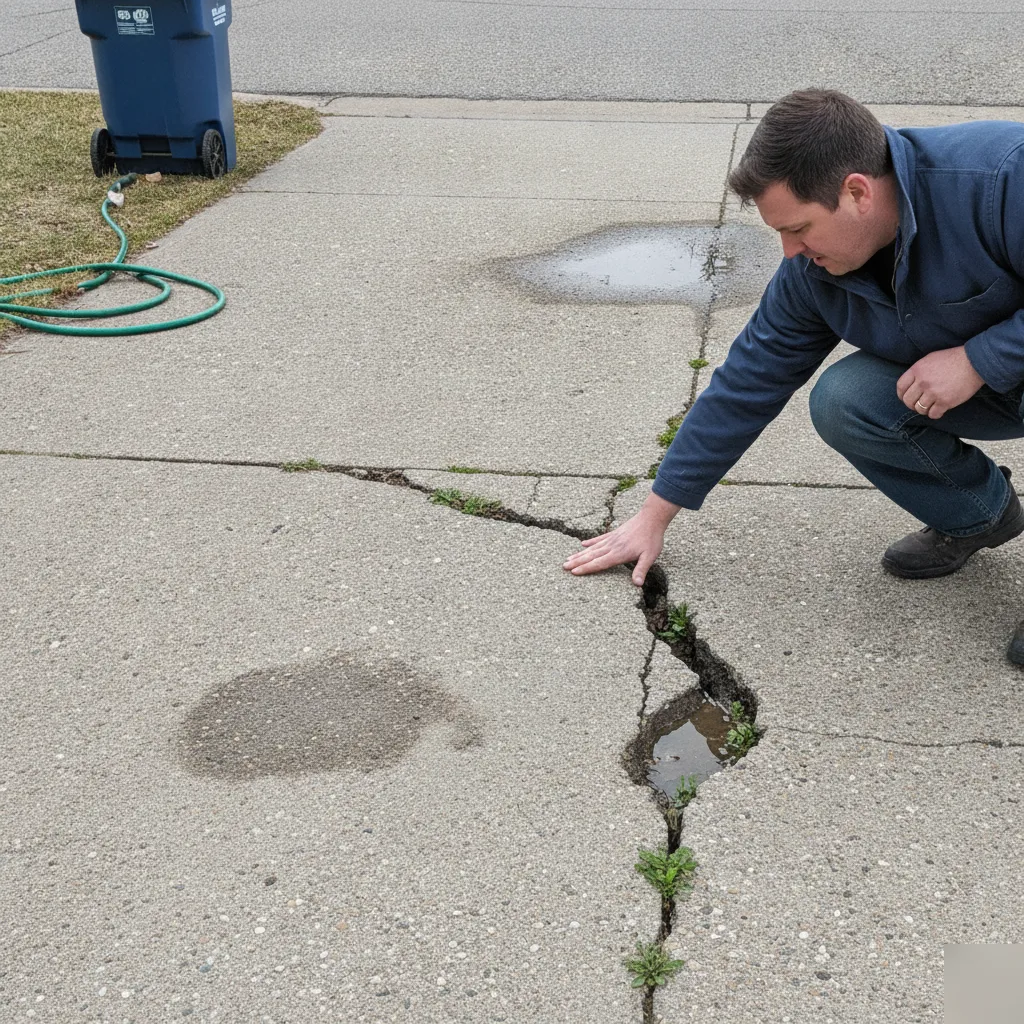
- Early stage: Hairline cracks under a quarter inch wide, minor surface discoloration, small areas of rough texture.
- Mid stage: Cracks wider than a quarter inch, visible surface spalling or flaking, one or two sections sitting unevenly.
- Late stage: Large broken sections, exposed aggregate or rebar, deep pitting across the surface, standing water after rain.
- Past the point of repair: Entire slab heaving or crumbling, tree roots pushing through, base material visible in multiple spots.
Early and mid stage problems usually call for concrete crack repair or driveway resurfacing. Late stage often means a bigger conversation about replacement. We see homeowners in Spokane Valley catch things at mid stage most often, right when the damage becomes hard to ignore, but before the whole slab fails completely.
The Freeze-Thaw Factor
Here's what makes our Eastern Washington area different. Spokane Valley regularly sees 20 to 30 freeze-thaw cycles per winter. The American Concrete Institute notes that repeated freezing and thawing is one of the top causes of concrete deterioration in northern climates. Every cycle pushes water deeper into cracks. Every cycle breaks the concrete apart a little more.
But early action stops the cycle. A crack sealed in summer stays sealed through winter. A surface repaired in spring lasts years longer than one left to weather another season.
One thing we tell every customer: if you can fit a quarter into the crack, it's time to call. If you can fit a finger, you're already behind.
A homeowner off Sprague Avenue called us last spring about "a few cracks." When we got out there, half the driveway had subsurface damage from two winters of water infiltration. What could've been a simple concrete crack repair turned into a full driveway resurfacing job. That's the pattern we see over and over.
Don't wait for the damage to tell you it's too late. If your driveway shows any of these signs, get a free estimate from our driveway repair team and find out exactly where things stand. We’re your neighborhoods concrete resurfacing guy.
Frequently Asked Questions
How do I know if my driveway crack needs a professional instead of a DIY fix?
You need a professional once a crack is wider than a quarter inch or keeps coming back after you patch it. DIY crack fillers only sit on the surface. They don't fix problems happening underneath, like a washed-out base or shifting soil. A trained crew can check what's really going on below the slab. If you're unsure, a free look from a local driveway repair services team can save you from a bigger repair down the road.
Why does Spokane Valley's weather make driveway repairs more urgent?
Spokane Valley's freeze-thaw cycle is the main reason repairs can't wait. With over 40 inches of snow most years, water seeps into cracks, freezes, expands, then thaws again and again all winter. This repeated cycle breaks down concrete faster than in milder climates. That's why a small surface crack here often needs more prep work than the same crack in a warmer area. Catching damage early keeps repairs simple instead of major.
Does Spokane Valley's soil type affect how driveways get repaired?
Yes, the glacial soils common around Spokane Valley can cause settling problems that show up as sunken or uneven slabs. Neighborhoods near Sprague Avenue and Greenacres see this often. When the ground underneath shifts, pouring new concrete over it won't hold. The base needs to be dug out, compacted, and rebuilt first. Skipping this step means the same cracks come back within a year or two.
What's the biggest mistake homeowners make when their driveway starts cracking?
The biggest mistake is waiting too long to deal with small cracks. A hairline crack today can turn into a deep trench after just one or two Spokane winters. Water gets in, freezes, and pushes the crack wider every season. Homeowners near the Sullivan Road corridor have learned this the hard way. Fixing a small crack early almost always costs less work than waiting until the whole slab needs attention.
What's the difference between patching cracks and full driveway resurfacing?
Patching fixes isolated cracks while resurfacing rebuilds the whole top layer of your driveway. Concrete crack repair works well when damage is limited to a small area and the base below is still solid. Full resurfacing makes more sense once 30 to 40 percent of the surface shows cracking, spalling, or wear. A professional can look at your slab and tell you which approach actually fits your situation.
How can I tell if my driveway repair was done correctly?
A properly repaired driveway should have a color and texture that blends reasonably well with the surrounding concrete, and the patched area shouldn't crack again within the first year. If you see the same crack reopening, water pooling in the repaired spot, or a visible seam separating from the original slab, that usually means the base wasn't properly compacted before the repair. A reputable driveway repair company should stand behind their work with some form of warranty.
Ready to Experience the Concrete Revival Difference?
Complete Service Area Coverage
- Spokane and Spokane Valley
- Coeur d'Alene metro area
- Deer Park and Newport
- Liberty Lake and Otis Orchards
- Cheney and Medical Lake
- Post Falls and Rathdrum