
How Long Should a Driveway Last? Average Lifespan Explained in Spokane Valley
What Really Determines How Long a Driveway Lasts
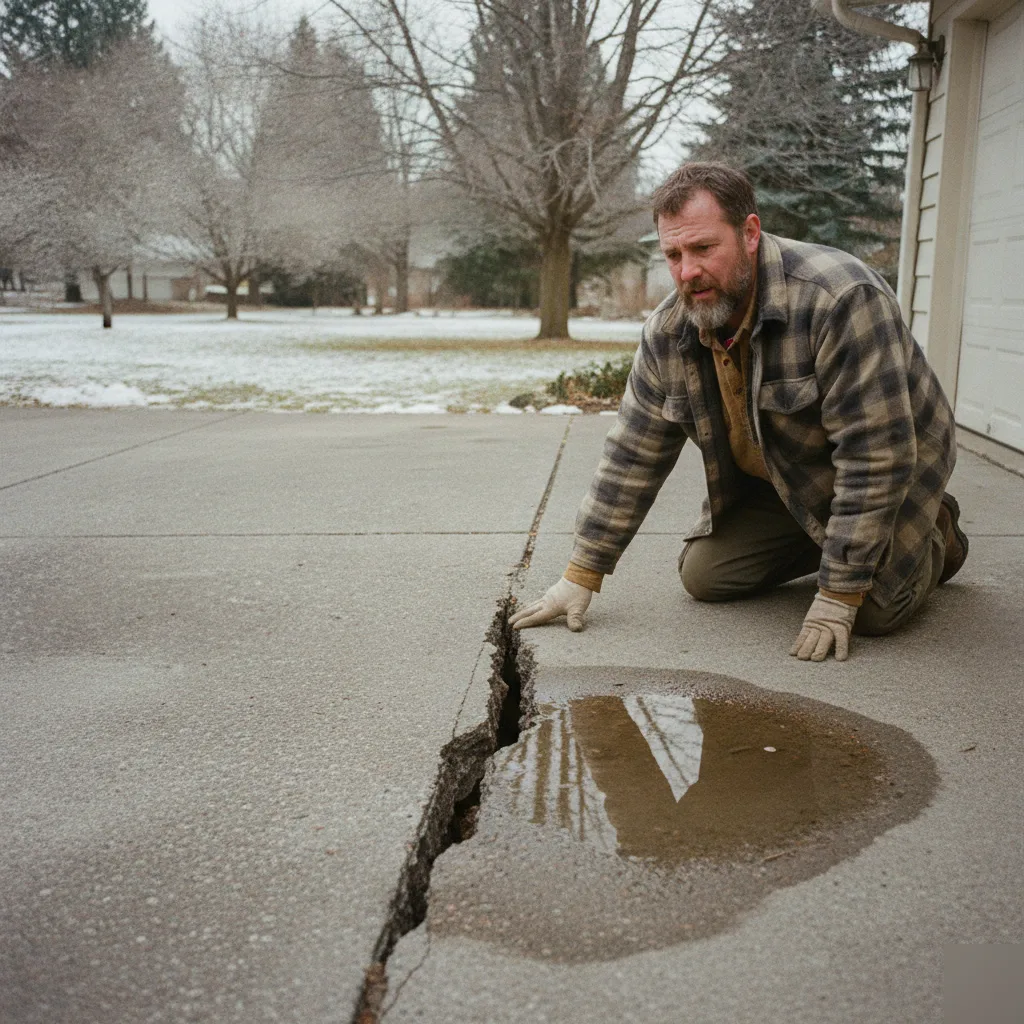
Every driveway has a lifespan. But that number jumps all over the place. It depends on what’s under it, how it was poured, and what our Spokane Valley winters blast it with every year. We've ripped out driveways that were only eight years old. They looked ten years worse than some pushing thirty. The real difference isn't luck. Concrete itself is tough stuff. It’s everything around it and underneath it that decides how long a driveway holds up. Regular driveway repair services extend that. Here’s what we check first on every project:
- Base preparation. Pour concrete on soft, uncompacted dirt? It will crack early. Doesn't matter how good the mix.
- Concrete mix and slab thickness. Thin slabs and weak mixes just can't handle the brutal freeze-thaw cycles we get.
- Drainage. Water that pools on or under a slab? That’s the number one driveway killer in Eastern Washington.
- Sealing history. Unsealed concrete soaks up water like a sponge. Then that water freezes. It expands.
- Everyday use. Heavy trucks, de-icers, road salt-they all speed up the wear.
Spokane Valley sits squarely in that nasty freeze-thaw zone. It’s brutal on concrete surfaces. Water gets into tiny holes in the slab, freezes, and pushes the concrete apart from the inside. This happens over and over, all winter long. So a driveway that would last 40 years in a mild climate? It might only make it 20-25 years here. That's without solid base work and winter-proof sealing. You see why we take this seriously.
Why Some Driveways Fail Early
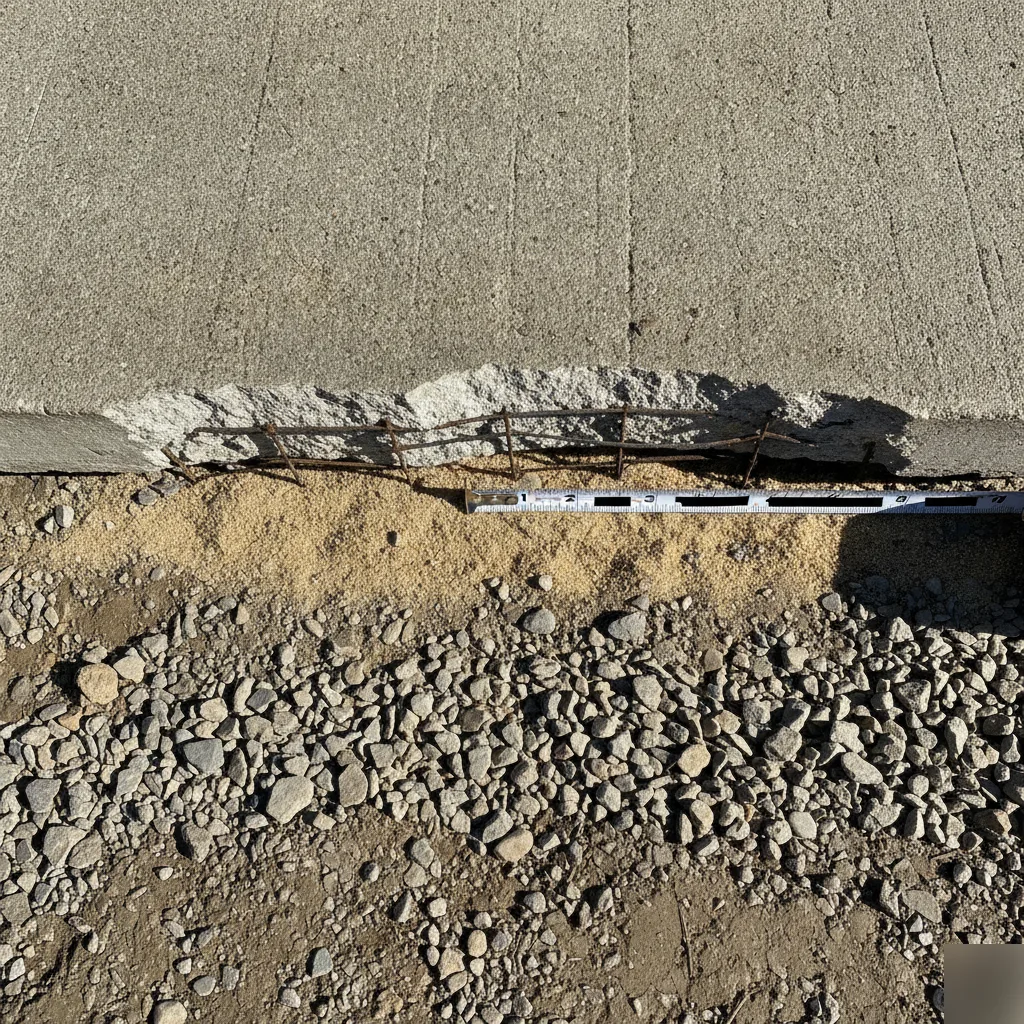
We see this mistake constantly: a driveway poured without a real gravel base. Or maybe it was poured too thin. People do it to save some dollars up front, always a mistake. It looks fine for the first few brutal winters. But then the concrete cracks show up. Usually right around year five or six. By year ten, it's crumbling at the edges. The joints are shot. Compare that to a driveway poured with a dense, compacted base. We use the right slab thickness for Spokane Valley, along with proper control joints. That engineered slab handles the same Spokane winters. It just laughs them off for decades. Same climate, same salt trucks driving by on the Sullivan Road corridor, completely different outcome. The install quality is what truly separates a driveway that lasts 15 years from one that lasts 40., this is the part most people overthink. Sealing matters more than most homeowners realize. A driveway that’s sealed every few years resists water penetration.
It holds up far better against freeze-thaw damage. One that's never sealed? It’s basically a big sponge waiting for winter. We've resealed driveways in North Side neighborhoods that were showing surface scaling after just one bad winter. No protection. Concrete sealing products aren't some fancy add-on here. They're part of what determines if your driveway makes it to year 30 or starts breaking down at year 12. Soil movement plays a role, too. Especially in areas with the clay-heavy ground we have that shifts as it gets wet and dries out. And traffic load matters. A residential driveway built for a sedan wears out faster if it’s regularly handling a big work truck or heavy trailer. So when someone asks how long a driveway should last, the straight answer is simple: it depends on how it was built, not just how old it is. That's the cold, hard truth of concrete.
Typical Lifespan Ranges for Concrete and Asphalt Driveways
A concrete driveway in Spokane Valley should last 25 to 30 years. That's if it’s build it once build it right. Asphalt driveways run shorter. Usually 15 to 20 years before they need real professional-grade work. That’s not a guess, not some national average. That’s what we see after 11 years of pulling out failed slabs and pouring new ones across this valley. But those numbers only hold up under decent conditions. Spokane does not give driveways decent conditions. Our freeze-thaw cycles are brutal on both materials. They don’t care what the national average says. Here’s how the two materials typically break down when you’re dealing with our climate:
- Concrete driveways: 25-30 years with proper base prep and control joints spaced correctly. Engineered to survive Spokane winters.
- Asphalt driveways: 15-20 years. Often needing sealcoating every 2-3 years to even hit that mark.
- Concrete with poor drainage: Can drop to 10-15 years. If water keeps pooling and freezing under the slab, it’s doomed.
- Asphalt in full sun with no shade: Can crack and rut sooner. Sometimes by year 10, it's already a problem.
Concrete versus asphalt isn't really a fair fight in Spokane Valley. Concrete simply holds up better against the freeze-thaw punishment we get every winter. Asphalt softens in summer heat. It gets brittle in the cold. So it moves more than concrete does over a season. That constant movement adds up, causes real damage. Concrete, when it's poured with the right base and finished correctly, resists that expansion and contraction much better. That means lasting repairs. I’ve walked driveways in Spokane Valley that hit 35 years and still looked solid. I’ve also seen driveways fail at year 8. What’s the difference? Almost always it comes down to what happened before the concrete ever got poured. A slab poured over a bad base, or poured too thin, doesn't care how good the concrete mix was. It’s going to fail early. You can pour the best concrete mix in the world, but if the foundation isn't solid, it's just lipstick on a pig.
Why the Range Is So Wide
You'll notice that "25 to 30 years" isn’t a precise number. It’s wide on purpose. Driveway lifespan depends on a handful of factors. They stack on top of each other:
- How thick the slab was poured (4 inches minimum for residential driveways, really)
- Whether the base was compacted properly before the pour
- How many freeze-thaw cycles it takes each winter
- Whether professional-grade sealing was done on schedule
- How much heavy vehicle traffic it handles
A driveway near the Sullivan Road corridor. It handles delivery trucks and daily traffic. That wears differently than a quiet residential slab in a cul-de-sac over in Spokane Valley. Both can hit that 25 to 30 year mark. But only if they were engineered for their actual use. We get calls every spring from homeowners. They’re surprised their concrete driveway repair is needed. It's falling apart at year 12 or 15. Most of the time, the answer isn’t bad luck. It’s a base that wasn’t compacted right. Or a slab poured too thin for our brutal winters. Concrete Revival didn’t cut those corners when we built it. And that’s usually the difference. A driveway that lasts three decades, versus one that needs concrete driveway repair before it hits its teenage years.
Signs Your Driveway Is Reaching the End of Its Life
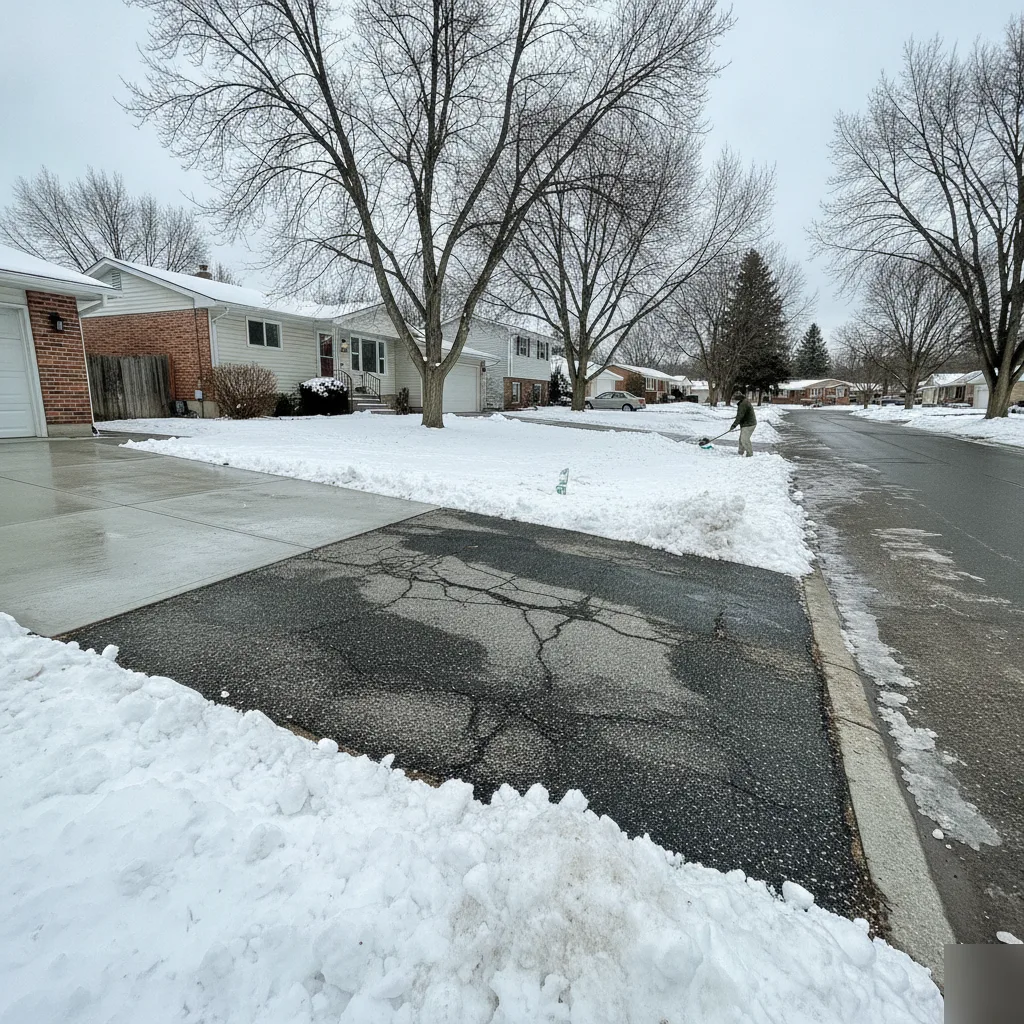
Some driveways fail loud. A slab heaves up. A corner crumbles. You notice it right away. But most driveways in Spokane Valley fail slow. They wear down over years of freeze-thaw cycles. By the time you’re truly worried about it, the damage has been building for a while. We’ve walked hundreds of driveways over 11 years. The ones that get replaced too late almost always show warning signs. The owner usually brushed them off. So what should you be looking for? Here's what tells us a driveway is done, or real close to it.
- Cracks wider than a quarter inch. Hairline cracks are normal. Usually not urgent. But once a crack opens wide enough to catch a coin? Water’s getting in. In Spokane Valley winters, that water freezes. It expands. Come spring, that same crack is bigger.
- Chunks of surface flaking off. This is called spalling. It's common on older driveways. They were poured before people used the right air-entrained mix for our climate. Once the surface starts flaking, the slab underneath is exposed to more moisture. More damage.
- Uneven slabs or sections that have sunk. If one panel sits lower than the next? The base underneath has shifted. Or maybe it washed out. That’s not a surface problem anymore. That’s a foundation problem.
- Pooling water after rain or snowmelt. Water that sits instead of draining means the slope is gone. Or the base has settled. Standing water plus a hard freeze is exactly how small cracks turn into big ones overnight. We see this a lot near the Hillyard area, for instance.
- Crumbling edges along the driveway border. Edges take a beating. Mower wheels, snowplows, road salt. Once they start breaking apart, it usually spreads inward.

Frequently Asked Questions
How do I know if my driveway needs full replacement instead of just a patch?
You need full replacement when cracks run through the slab, not just on the surface, or when large sections have shifted or sunk. Surface cracks and small chips can often wait. But deep cracks, crumbling edges, and uneven slabs usually mean the base underneath has failed. Patching won't fix a broken base. If you're seeing these signs in your Spokane Valley driveway, it's worth getting a real inspection before spending money on a temporary fix.
Why does Spokane Valley's climate matter so much for driveway lifespan?
Spokane Valley sits in a tough freeze-thaw zone, and that shortens how long driveways last compared to milder climates. Water seeps into tiny cracks in the concrete, freezes, and expands. This happens over and over each winter, slowly breaking the slab apart from the inside. A driveway that might last 40 years somewhere warm often only makes it 20-25 years here. That's why base prep and sealing matter more in our area than almost anywhere else.
Does sealing a driveway make it last longer, or is that overstated?
Sealing really does make a difference, especially in a freeze-thaw climate like ours. Sealed concrete resists water penetration, which means less moisture gets in to freeze and expand during winter. Unsealed driveways act like sponges and break down faster. We've seen unsealed slabs show surface scaling after just one hard winter. Resealing every few years is one of the simplest ways to protect the investment you already have in your driveway.
Does a driveway's age tell me how much life it has left?
No, age alone doesn't tell the whole story. A 15-year-old driveway with a solid base and regular sealing can outlast a 10-year-old one that was poured thin or never sealed. What matters more is how it was built and how it's been treated. This is one of the biggest misconceptions we run into. Two driveways poured the same year can age completely differently depending on drainage, base compaction, and winter care.
What's the clearest sign it's time to call a professional about my driveway?
Call a professional when you see cracks wider than a quarter inch, standing water after rain, or sections that feel uneven when you walk or drive over them. These signs point to problems below the surface that homeowners can't fix with a bag of patch mix. Catching these issues early can save the rest of the slab. If you're noticing any of these signs, it's a good time to look into concrete driveway replacement options in Spokane Valley before small problems turn into big ones.
Why do some driveways in Spokane Valley last 30 years while others fail in 10?
The difference almost always comes down to what happened before the concrete was ever poured. A driveway built on a compacted gravel base, poured at the right thickness, with proper control joints, can handle decades of Spokane winters. One poured on soft dirt or too thin will crack early, usually within five to six years. Traffic load and soil type play a role too, but installation quality is the biggest factor in how long your driveway will hold up.
Ready to Experience the Concrete Revival Difference?
Complete Service Area Coverage
- Spokane and Spokane Valley
- Coeur d'Alene metro area
- Deer Park and Newport
- Liberty Lake and Otis Orchards
- Cheney and Medical Lake
- Post Falls and Rathdrum