Driveway Resurfacing vs. Replacement: Which Is Best?
People mix these up all the time, it happens every week. Just last month, a homeowner out in the Greenacres area called us, wanting a "full redo" for their driveway. We took a look. The concrete, believe it or not, was actually solid underneath. It just looked rough, really beat up. That driveway didn't need a tear-out, it needed driveway resurfacing. The difference saved them a lot of money and a whole lot of hassle, and it meant we got the job done for them exactly when we said we would, which is how we do things.
So, what's actually different?
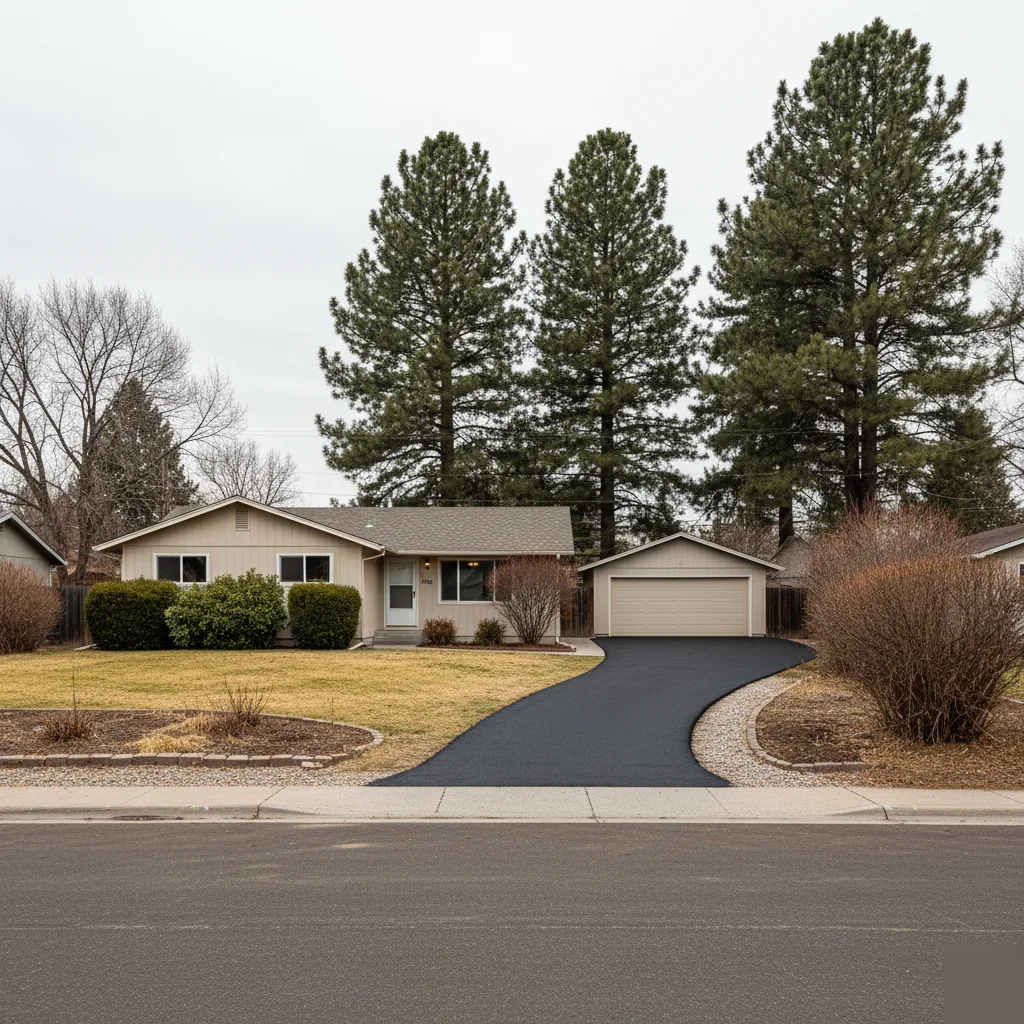
Driveway resurfacing means we put a fresh layer right on top of your existing concrete. The old slab stays put. We first lay down a special bonding material. Then, a new concrete overlay goes over everything. Your driveway ends up looking brand new. The structure beneath it hasn't changed because, frankly, it didn't have to.
Driveway replacement is a complete tear-out. We break up the old concrete. It all gets hauled away. New base material then gets packed down, hard. After that, a brand-new slab gets poured from scratch. It's a much bigger job, in every single way.
How to Tell What Your Driveway Needs
The condition of your current slab makes the decision for us. Here's a quick way we like to think about it:
- Surface cracks, ugly discoloration, or small bits of spalling usually mean driveway resurfacing will do the trick just fine.
- Deep cracks that go all the way through the slab, real heavy settling, or big sections that have shifted apart? That points straight to replacement.
- If your concrete moves when you step on a broken piece, the base underneath has failed. That's definitely replacement territory.
- Tree root damage that's lifted sections more than an inch usually can't be resurfaced over. The roots just keep on growing.
Most driveways we see here in Spokane Valley actually fit the resurfacing category. Our brutal freeze-thaw cycles are incredibly hard on concrete surfaces — and for concrete resurfacing in Spokane, that surface-level damage is exactly the sweet spot where the service delivers the most value. The freeze-thaw cycles beat them up good, but they don't always destroy the slab itself. It's the top layer that takes the hit. And that's precisely what concrete resurfacing in Spokane is designed to fix — a fresh, durable surface without the cost and disruption of tearing out a structurally sound slab.
But here's a thing that often catches people off guard. A driveway can look truly awful and still be a perfect candidate for resurfacing. Ugly doesn't always mean broken. We've done new overlays on concrete that homeowners were absolutely convinced needed to come out. Once we prepped the surface and put down the new material, it looked better than the day it was first poured, guaranteed.
The reverse is also true. Some driveways look fine on top, but they have major issues lurking underneath. We're talking voids under the slab, drainage that failed years ago, or soil that's simply washed away over time. Resurfacing over a bad foundation is just a waste of your money. That new surface will crack out within a single Spokane winter.
One thing we always, always check is the edges of your driveway. If the perimeter is crumbling and breaking off in chunks, that's a clear sign the slab is deteriorating from the outside in. Driveway resurfacing works best when the edges are still solid and the base is stable.
Think of it like this. Resurfacing is like giving your hardwood floors a good refinishing. Replacement, on the other hand, is like ripping them all out and putting in new ones. You wouldn't tear out floors that just need a sanding, you'd refinish them and save yourself the trouble. It's common sense.
If you're unsure which option fits your home, that's completely normal. Most homeowners can't tell just from looking at the surface. A quick inspection of the slab's condition, the drainage around it, and how the soil has settled tells us the whole story. We walk through this process with Spokane Valley homeowners regularly, and you can find more about it right on our driveway resurfacing page.
Surface Damage Signals Resurfacing May Be the Right Move
Not every crack means your driveway needs to go. Most of the damage we find on driveways across Spokane Valley is just surface-level. That's good news for you. It means driveway resurfacing can fix the problem without us having to tear everything out and start all over again.
But how do you really know if your damage is truly "surface-level?" Here's exactly what our crew looks for.
Hairline Cracks and Spider Webbing
Thin cracks, those less than a quarter-inch wide, are incredibly common here. Spokane Valley's brutal freeze-thaw cycles put real, constant stress on concrete surfaces every single winter. Water seeps into the tiny pores, it freezes solid, expands, then it thaws out. This happens over and over again, all season long. That repetition creates fine cracks that spread across the surface like a spiderweb. They look bad, they feel rough when you walk over them, but they usually don't mean the slab underneath is failing us.
We see this pattern every single day in neighborhoods like Greenacres and along the Sprague Avenue corridor. Driveways that are 10 to 15 years old almost always have some version of it. Driveway resurfacing covers these cracks with a new, super-strong bonded layer. The result looks exactly like a brand-new pour, guaranteed for 10 years to laugh at Spokane winters.
Discoloration and Staining
Oil spots from years of parking cars. Rust marks left by metal patio furniture. Just a general graying from years of relentless sun and weather exposure. None of these things actually mess with the structure of your driveway. They just make it look old and worn out., this is the part most people overthink.
A lot of homeowners assume a stained driveway needs total replacement. It absolutely does not. Driveway resurfacing applies a fresh surface coat that hides every old stain completely. You can even choose specific colored concrete or decorative concrete finishes. You get to upgrade the look while we're making it winter-proof.
Minor Pitting and Flaking
Surface pitting happens when the very top layer of concrete starts to chip away in small pieces. You'll definitely notice rough patches or spots where the aggregate underneath is showing through. This is called spalling, and it's one of the most common complaints we hear from Spokane Valley homeowners after a truly tough winter.
If the pitting stays within the top half-inch or so, driveway resurfacing handles it beautifully. We clean and prep the damaged layer, then a new overlay bonds directly to the solid concrete below. A strong foundation underneath means a strong, lasting result on top. Our proprietary sealing and reinforcement process has eliminated 95% of winter damage claims over the past 5 years, by the way.
Here are the clear signals that driveway resurfacing is likely your best bet:
- Cracks are narrow, shallow, and mostly just on the surface.
- The slab feels solid when you walk on it, with no sinking or shifting around.
- Damage is cosmetic: stains, fading, or just light flaking.
- Your driveway is less than 20 years old, and it has a stable base.
- There's no standing water pooling in those low spots after it rains.
That last point matters more than most people realize. Standing water often means the base has settled unevenly. That's a deeper problem driveway resurfacing alone won't ever solve.
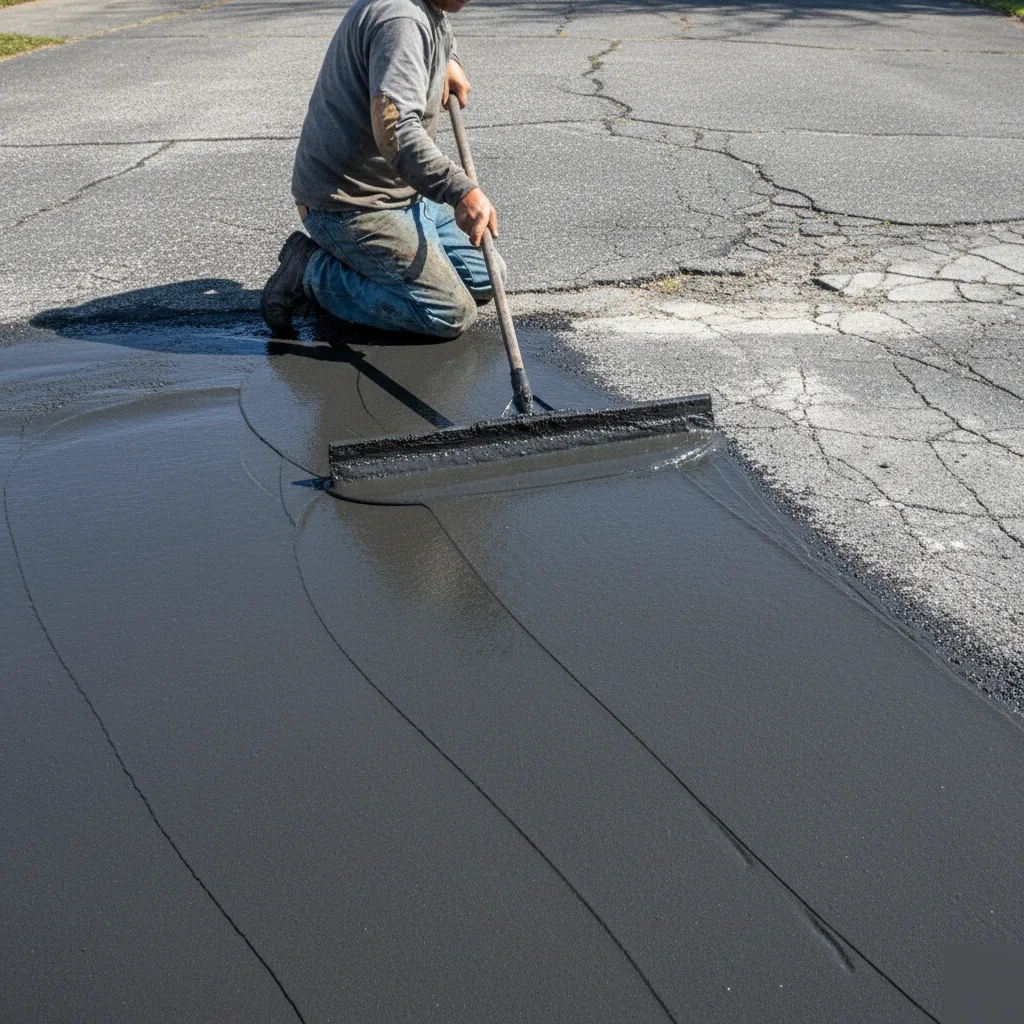
One scenario we run into often: a homeowner in the Ponderosa area called us last spring about "crumbling concrete" on their driveway. They were completely convinced they needed a full replacement. But when we looked, the damage was all in the top quarter-inch. The slab was perfectly level, and the base was solid as a rock. Driveway resurfacing saved them a huge amount of time and disruption, and we finished it right on schedule.
Most people don't realize this until it's far too late. But catching surface damage early makes all the difference in the world. Small cracks turn into big cracks. Light spalling turns into deep pitting. And once that damage hits the base layer, resurfacing just isn't an option anymore.
If you want a deeper look at how professionals evaluate these two options side by side, this guide on driveway restoration vs. resurfacing decisions walks through the key differences in detail.
So if your driveway has any of these signs, don't wait another winter. The freeze-thaw cycle here in Spokane Valley will absolutely only make things worse, trust us, we see it every year. A quick assessment now could mean the difference between a simple resurfacing job and a full tear-out later. We like keeping things simple.
Structural Damage and Base Failure Call for Full Replacement
Some driveways just can't be saved. That's the honest truth we share with homeowners every single week, like it or not.
Driveway resurfacing works wonders for surface-level problems. Hairline cracks, minor spalling, faded color. But once the damage goes deeper than the very top layer, resurfacing is just a bandage on a broken bone, it's temporary. You'll spend money now, and you'll just have to spend it all again in a year or two.
What Base Failure Looks Like
The base is the packed-down gravel and soil that sits underneath your concrete slab. It's what keeps everything stable and level. In Spokane Valley, our brutal freeze-thaw cycles put serious, relentless stress on that base layer every single winter. Water seeps into small gaps, freezes solid, expands, and pushes the concrete upward. Then it thaws, and the slab settles unevenly. It's a constant battle.
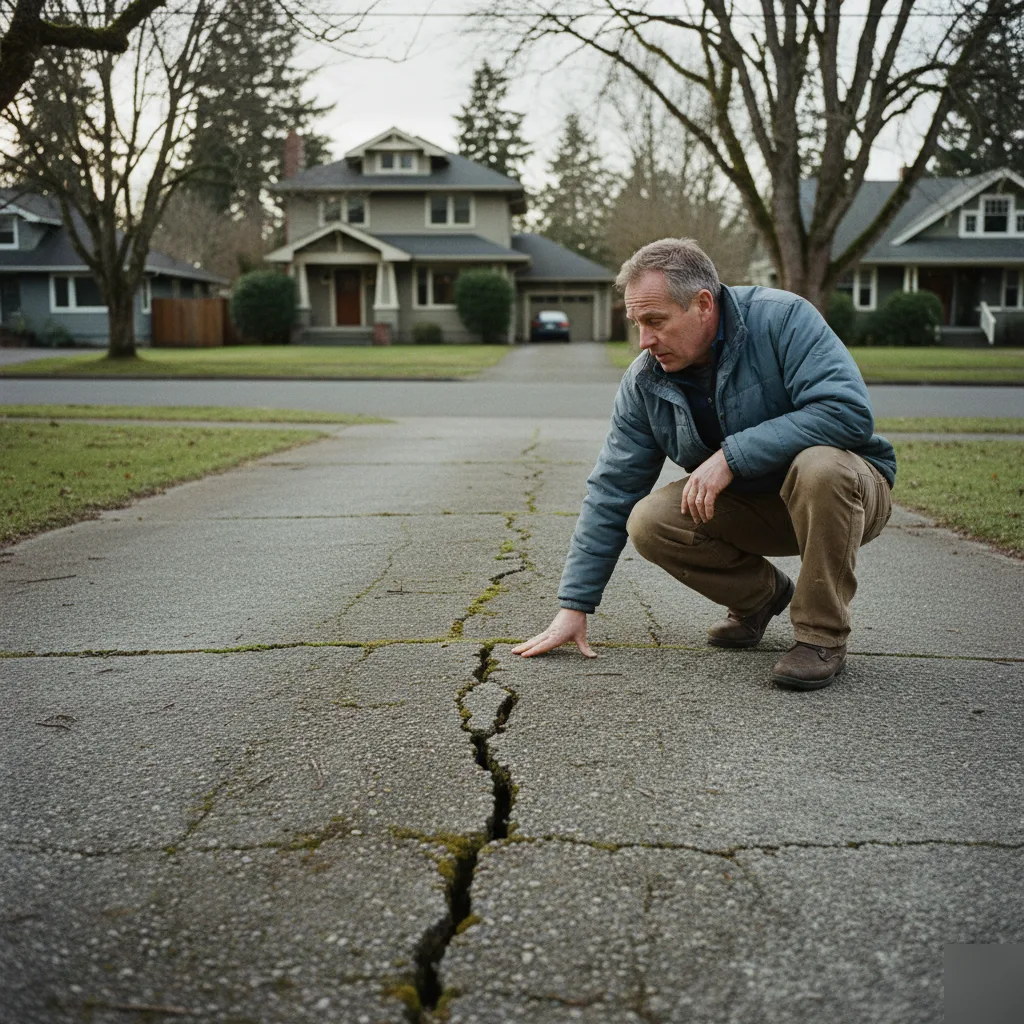
Here's what to keep an eye out for:
- Large sections of the slab have clearly sunk or tilted noticeably.
- Cracks run all the way through the concrete, not just on the surface.
- You can see gaps between the slab and the ground beneath it.
- Water pools in the exact same spots every time it rains.
- The driveway rocks or shifts when you drive over certain areas.
Any one of these signs points to a base problem. And a new surface layer won't fix what's happening underneath, that's just a cosmetic fix for a structural issue. We see homeowners near the Dishman area and along Sprague Avenue deal with this issue often, thanks to older neighborhood infrastructure and how the natural drainage works there.
Full-Depth Cracks Tell the Real Story
Not all cracks are the same, you know. A thin crack on the surface is just normal wear and tear. Concrete crack repair can handle that easily. But a crack that's wider than a quarter inch, or one that goes all the way through the entire depth of the slab, that's structural damage. That's a serious issue.
We had a homeowner last spring who wanted driveway resurfacing over a slab that had three deep cracks running right across it. The concrete was nearly 30 years old, ancient by Spokane standards. When we checked the base, it had eroded in multiple spots. Resurfacing would've looked nice for maybe one season, then those cracks would've come right back through the new layer. We guaranteed for 10 years, and we stand by our word. It was the wrong call.
Full replacement was the only right call there.
Most people don't realize this until it's too late, unfortunately. They see a smooth new surface and just assume the problem is solved. But the new overlay bonds to the old concrete below it. If that old concrete keeps shifting and breaking apart, the overlay is going to crack too. It's like building a new house on a shaky foundation.
When Replacement Actually Saves You Money
It sounds backward, doesn't it? But tearing everything out and starting fresh is sometimes the smarter, cheaper option in the long run. A failed base will ruin any resurfacing job within just a few years. You end up paying twice, and nobody wants that. Our reputation as the company that shows up and gets it right means we give you the full picture.
Here's a simple way our team breaks it down:
- Check for movement. Walk your driveway. Look for sections that sit at obviously different heights.
- Measure the cracks. Anything wider than a quarter inch or deeper than an inch needs us to take a much closer look.
- Look at the age. Concrete driveways here in Spokane Valley typically last 25 to 30 years before the base starts giving out, according to the Portland Cement Association. Our concrete, engineered to survive Spokane's brutal freeze-thaw cycles, often laughs at those numbers.
- Get a professional assessment. Someone needs to look at what's truly under the slab, not just what's on top of it.
So if your driveway checks two or more of those boxes, replacement is likely the smarter path for your home. Our concrete repair team can evaluate the base condition and help you understand exactly what's going on beneath the surface before any work even starts. We give it to you straight.
The goal, always, is to give you a driveway that lasts. A driveway that truly laughs at Spokane winters. Sometimes that means a good resurfacing, sometimes it means starting completely over. Knowing that difference now saves you real money and real frustration down the road.

Frequently Asked Questions
How do I know if my driveway needs resurfacing or full replacement?
The condition of your slab underneath tells you the answer. If you see thin cracks, surface staining, or rough texture, resurfacing is likely the right move. If cracks go all the way through, sections have shifted, or the concrete moves when you step on it, the base has failed and replacement is needed. Most Spokane Valley driveways we inspect actually qualify for resurfacing.
Is it a mistake to resurface a driveway that looks fine on top?
Yes, resurfacing over hidden problems is a common mistake. Some driveways look okay on the surface but have failed drainage, soil washout, or voids underneath the slab. Putting a new overlay on top of a bad foundation wastes your money. That new surface will crack out fast, especially after one Spokane Valley winter. Always have the base and drainage checked before choosing resurfacing.
When should I call a professional instead of handling driveway repairs myself?
Call a professional when cracks are wider than a quarter inch, sections have shifted, or the edges are crumbling. DIY crack fillers can help with tiny surface cracks, but they do not fix base problems or prepare the surface properly for a new overlay. Resurfacing requires bonding materials and surface prep that need professional equipment. Getting it wrong means the new layer fails quickly, costing you more in the long run.
Does Spokane Valley's weather make driveway damage worse?
Yes, Spokane Valley's freeze-thaw cycles are especially hard on concrete driveways. Water gets into small surface pores, freezes, expands, then thaws out. This repeats all winter long. That cycle creates surface cracks and spalling on the top layer. The good news is the slab underneath often stays solid. That means many driveways here are great candidates for resurfacing rather than full replacement.
Can a really ugly driveway still be resurfaced instead of replaced?
Absolutely, ugly does not always mean broken. We have resurfaced driveways in the Greenacres area that homeowners were sure needed a full tear-out. Once the surface was prepped and the new overlay went down, it looked better than the original pour. Stains, discoloration, and rough texture are surface problems. They do not mean the slab itself has failed. A quick inspection tells you for sure.
Do driveway edges matter when deciding between resurfacing and replacement?
Yes, the edges are one of the first things we check. If the perimeter of your driveway is crumbling or breaking off in chunks, the slab is deteriorating from the outside in. Resurfacing works best when the edges are still solid and intact. Broken-down edges usually point toward replacement. Solid edges with surface damage in the middle are a strong sign that resurfacing will give you great results.
Ready to Experience the Concrete Revival Difference?
Complete Service Area Coverage
- Spokane and Spokane Valley
- Coeur d'Alene metro area
- Deer Park and Newport
- Liberty Lake and Otis Orchards
- Cheney and Medical Lake
- Post Falls and Rathdrum