
Driveway Repair vs. Replacement: Which Option Is More Cost-Effective in 2026? in Spokane Valley
The Real Difference Between Driveway Repair and Full Replacement
Most people think this is a simple choice. Fix what's broken or tear it all out. But the real difference goes deeper than that. Understanding driveway repair vs. replacement: which option is more cost-effective in 2026 starts with knowing what each option actually involves.
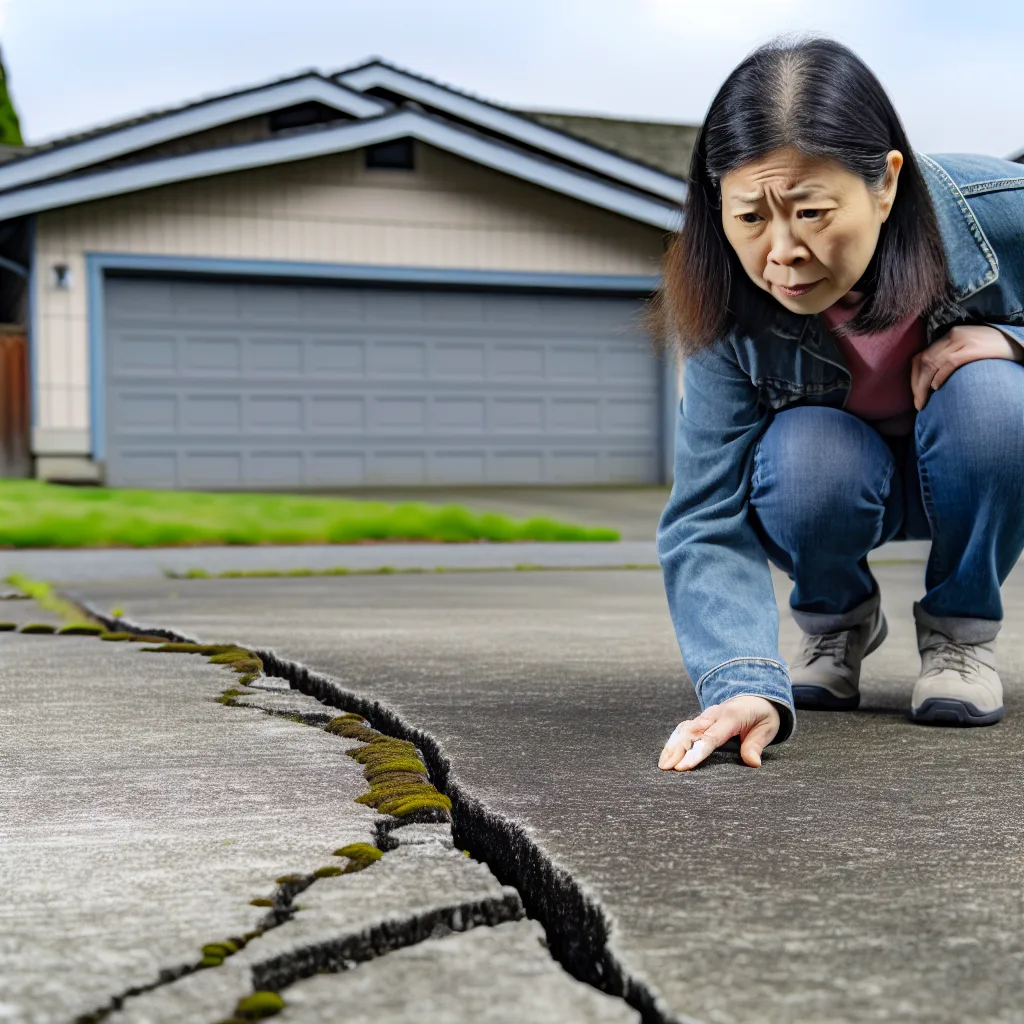
Repair means fixing specific problem areas. Cracks get filled. Sunken spots get leveled. Damaged edges get patched. Your existing driveway stays in place. The work targets only what's failing.
Replacement is a complete do-over. The old surface gets removed down to the base. Sometimes the base itself needs rebuilding. Then a brand-new driveway goes in from scratch. It's a bigger project in every way.
The choice really comes down to what's happening beneath the surface. We see this mistake all the time. A homeowner patches the same crack three years in a row. Each spring it comes back wider. That's not a surface problem. That's a base failure. And no amount of patching will fix a foundation that's shifting underneath.
Here's a scenario we run into often in Spokane Valley. A family near Greenacres notices their concrete driveway has a network of fine cracks after a rough winter. They assume the whole thing needs to go. But those hairline cracks are cosmetic. The base is solid. The slab isn't heaving. A professional repair handles it and the driveway lasts years longer.
Now flip that picture. Another homeowner off Sprague Avenue has a driveway with deep alligator cracking. Water pools in the middle every time it rains. One corner has sunk two inches. That driveway isn't a repair candidate. The subgrade has failed, and putting new material on top of a broken foundation is throwing money away.
The key factors that separate a repair job from a replacement job are pretty straightforward:
- Surface-only damage like small cracks and minor spalling usually means repair
- Widespread cracking that covers more than about 25 to 30 percent of the surface often points toward replacement
- Drainage problems caused by sinking or heaving almost always require full replacement
- A driveway's age matters too, since most concrete driveways last 25 to 30 years and driveways around 15 to 20 years according to the National Association of Home Builders
But age alone doesn't tell the whole story. A well-maintained 20-year-old driveway can outperform a neglected 10-year-old one. That's why a hands-on assessment matters more than any rule of thumb.
Think of it like this. Repair is medicine. Replacement is surgery. You don't want surgery when medicine works. And you definitely don't want to keep taking medicine when you need surgery.
One thing most people don't realize until it's too late is that a bad repair can actually speed up the need for replacement. Patching over structural damage traps moisture. In Spokane Valley's freeze-thaw cycles, that trapped water expands and contracts dozens of times each winter. It breaks apart the patch and worsens the original damage underneath.
Getting this decision right from the start saves you real money. Not just today, but over the next five to ten years. If you're unsure where your driveway falls, our driveway services page walks through what we look for during an evaluation. A quick professional look can tell you exactly what you're dealing with.
Signs Your Spokane Valley Driveway Can Be Repaired Instead of Replaced
Not every cracked driveway needs to be torn out. That's the first thing we tell homeowners who call us worried about a full replacement. Most of the time, the damage looks worse than it actually is.
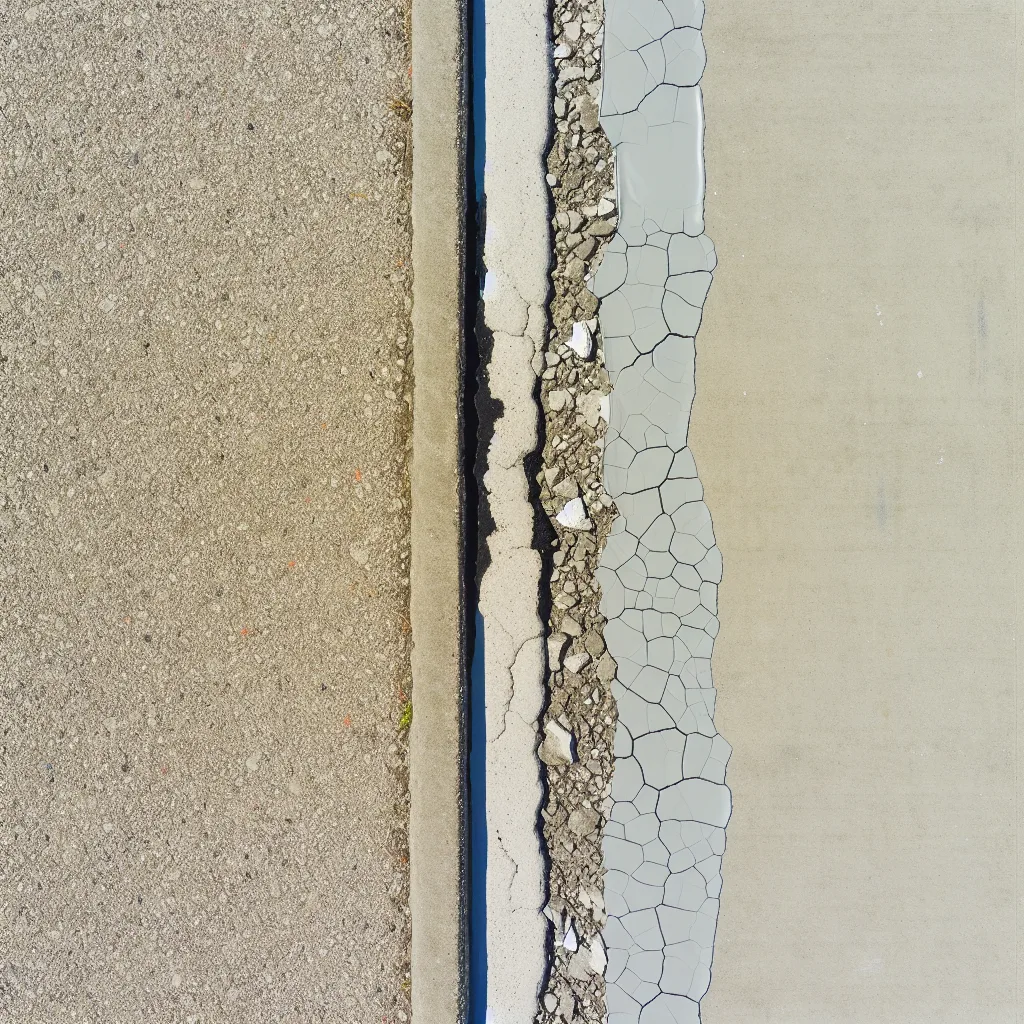
Start by looking at the surface. Hairline cracks less than a quarter-inch wide are almost always repairable. These tiny fractures show up on nearly every concrete driveway in Spokane Valley after a few freeze-thaw cycles. They're cosmetic at first. A quality crack filler or sealcoat handles them without much effort.
Small isolated potholes are another good sign that repair will work. If you've got one or two rough spots but the rest of the surface feels solid underfoot, patching makes sense. The key word here is "isolated." One pothole near your garage door? Fixable. A string of potholes running the full length? That's a different conversation.
Here's something most people don't realize until it's too late. Surface flaking, sometimes called spalling, doesn't automatically mean replacement either. In our area, spalling often happens because deicing salts eat away at the top layer during winter. If the damage stays in the top half-inch or so, a resurfacing overlay can restore the look and function of your driveway without ripping everything out.
Drainage matters too. Walk your driveway during the next rainstorm. Does water flow toward the street or your yard? Or does it pool in the middle and sit there? Minor pooling in one spot can sometimes be fixed by leveling that section. But if the entire slab has settled unevenly, you're likely past the repair stage.
Age is a factor, but it's not the whole story. A 12-year-old driveway with a few cracks and one low spot? Probably a great candidate for repair. A 12-year-old driveway with widespread crumbling, deep cracks that shift when you step on them, and tree roots pushing up sections? That one needs replacing. The condition matters more than the calendar.
We see this mistake all the time. Someone notices a crack, panics, and assumes the whole driveway is failing. Then they get a quote for full replacement and feel stuck. But a quick evaluation of the base layer usually tells the real story. If the foundation underneath is still compact and stable, surface repairs can add years of solid use.
One scenario we run into often around the Greenacres and Opportunity areas involves older driveways that look rough on top but have a perfectly good gravel base beneath. Resurfacing with a fresh layer gives those driveways new life at a fraction of what tearing out and starting over would cost.
A simple rule of thumb: if the damage covers less than about 25 to 30 percent of the total surface, repair is usually the smarter move. The Portland Cement Association notes that localized concrete repairs can extend a driveway's functional life by a decade or more when the underlying base remains intact.
Bottom line? Look for cracks that are narrow, damage that's shallow, and a base that hasn't shifted. Those are your green lights for repair. If you're unsure what you're looking at, our professional driveway repair services page walks through the process and makes it easy to request an honest assessment.
When Driveway Replacement Becomes the Smarter Long-Term Investment
Sometimes repair just isn't enough. And that's okay. Knowing when to stop patching and start fresh can actually save you thousands over the next decade.
Here's the reality we see on driveways across Spokane Valley. A surface that's been repaired three or four times starts losing structural integrity. Each patch holds a little less. Each crack comes back a little faster. At some point, you're throwing money at a surface that's already past its useful life.
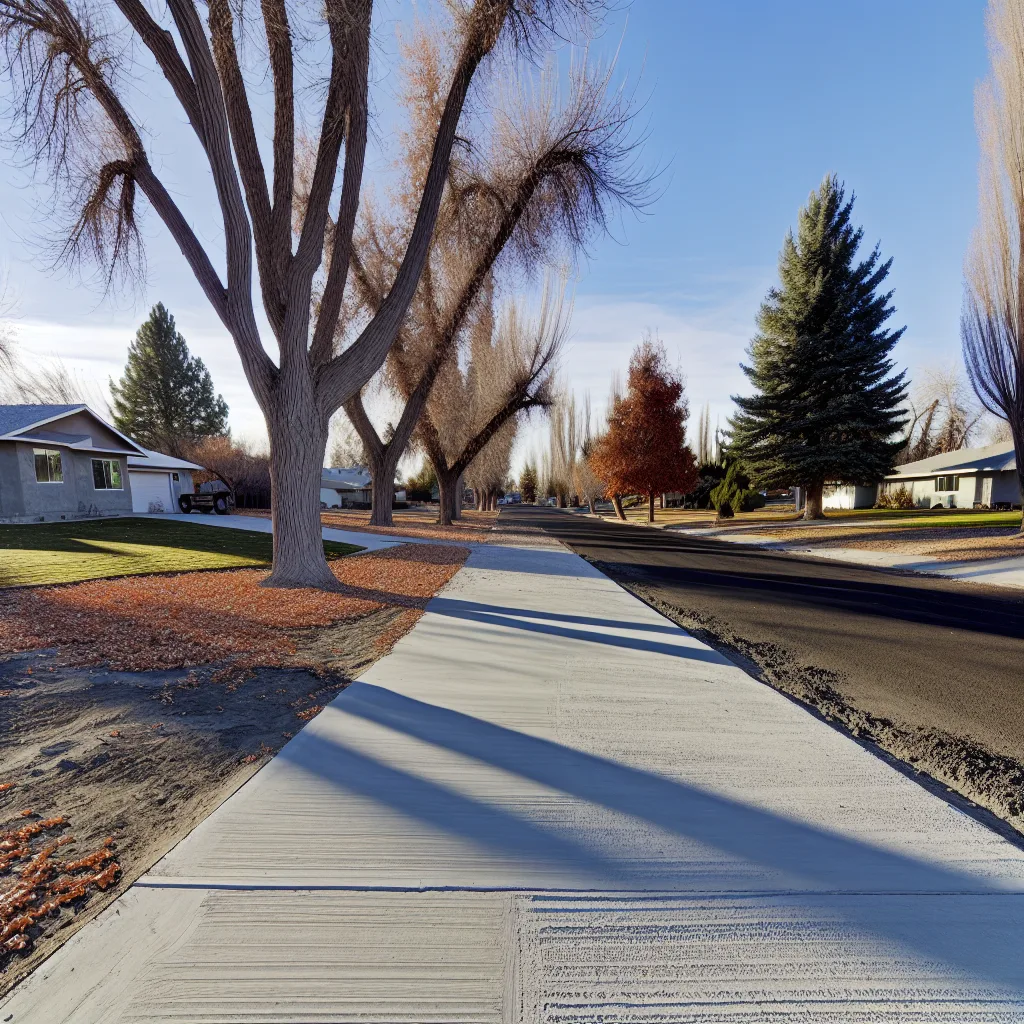
A few clear signs point to replacement being the better path. Deep, interconnected cracking that covers more than a third of your driveway is a big one. Significant settling or heaving where whole sections have shifted out of level is another. And if your driveway is more than 25 years old with visible base failure, repairs won't address what's happening underneath.
Most people don't realize this until it's too late. The base layer beneath your concrete matters more than the surface itself. In Spokane Valley, our freeze-thaw cycles are brutal on compromised bases. According to the Portland Cement Association, concrete driveways typically last 25 to 30 years under normal conditions. But our local soil movement and winter weather can shorten that window considerably, especially in neighborhoods near the Spokane River where soil moisture levels fluctuate throughout the year.
Think of it like this. Imagine you've got a homeowner on Sprague Avenue whose concrete driveway has settled two inches on one side. Water pools against the garage foundation every spring. They could grind down the high spots and fill the low ones. But six months later, the base keeps shifting and the problem returns. A full replacement with proper grading and a new compacted base solves the drainage issue permanently.
That's the key difference. Repair fixes what you can see. Replacement fixes what you can't.
A new driveway also gives you the chance to correct problems that existed from the original installation. Poor slope, inadequate thickness, missing control joints. We see all of these regularly on older properties throughout the Valley. A replacement lets you start with a properly engineered base, correct drainage angles, and the right material thickness for our climate.
But replacement isn't automatically the answer just because your driveway looks rough. Surface-level wear like minor scaling, small isolated cracks, or cosmetic staining doesn't mean the structure has failed. You need to evaluate what's happening below the surface before making that call. If you're unsure where your driveway stands, our driveway services page walks you through the options we offer for both repair and full replacement.
One more thing worth mentioning. A brand-new driveway can improve your property's curb appeal and functional value. The National Association of Realtors has noted that exterior improvements like driveway replacement consistently rank among the projects that recover a high percentage of their cost at resale. For Spokane Valley homeowners thinking about selling in the next few years, that's worth considering.
The bottom line is straightforward. If your driveway needs constant attention, if the base has failed, or if you're dealing with major structural problems, replacement becomes the more cost-effective choice over time. You stop the cycle of repeated repairs and get a surface that performs for decades.
Frequently Asked Questions
How do I know if my driveway needs repair or full replacement?
Is it a mistake to keep patching the same crack every year?
When should I call a professional instead of handling driveway repairs myself?
Does Spokane Valley's winter weather make driveway damage worse over time?
Can a driveway that looks bad still be a good repair candidate?
Does driveway age alone determine whether repair or replacement is the right choice?
Ready to Experience the Concrete Revival Difference?
Complete Service Area Coverage
- Spokane and Spokane Valley
- Coeur d'Alene metro area
- Deer Park and Newport
- Liberty Lake and Otis Orchards
- Cheney and Medical Lake
- Post Falls and Rathdrum