
Driveway Repair on Sprague Avenue | Concrete Revival
That stretch of Sprague near Adams Road takes a beating every winter. Spokane Valley's freeze-thaw cycles don't care how old your slab is. Water seeps into tiny cracks in October, freezes hard by November, and by March you're staring at a driveway that looks like it lost a fight with the ground beneath it.
We're out on Sprague and the side streets off Adams Road constantly. The homes along this corridor sit on a mix of older lots and mid-century builds, and most of those driveways have been patched before. Sometimes more than once. But patches on top of patches don't hold through a Spokane Valley winter. They just don't.
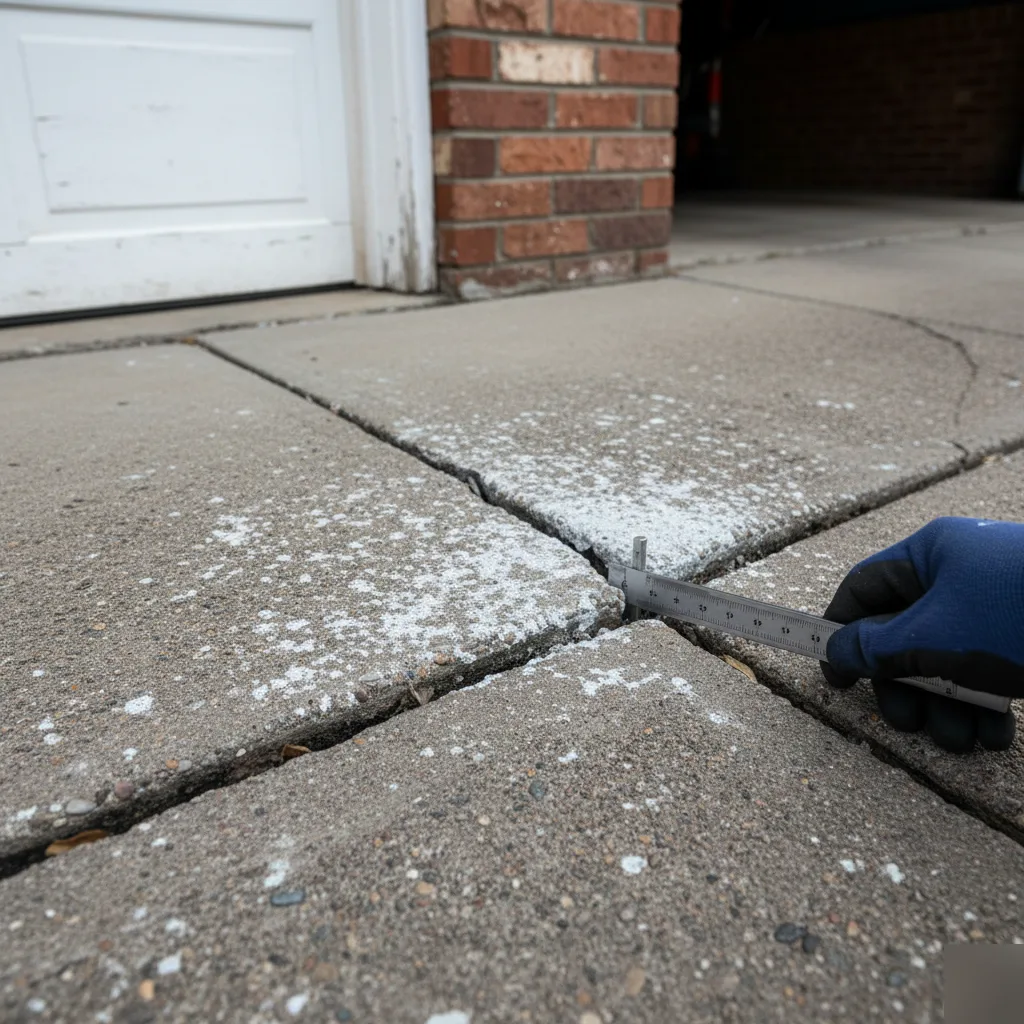
The soil conditions along this part of the Valley shift with moisture levels. That movement stresses concrete from underneath. Add road salt runoff drifting off Sprague's busy lanes and you've got a recipe for surface erosion and deep cracking that keeps getting worse every spring.
Homes between Adams Road and the commercial properties lining Sprague share a few patterns we see constantly:
- Spalling along driveway edges where snowplows push ice and gravel onto residential slabs
- Settlement cracks from the sandy, shifting soil typical of this corridor
- Faded or flaking surfaces on driveways that were sealed years ago and never touched since
- Tree root pressure from the mature landscaping on the residential streets just south of Sprague
None of this shows up overnight. It builds across three or four winters, quietly, and by the time you notice, the damage runs deeper than the surface.
We see a lot of homeowners near Adams Road who've been putting off concrete crack repair because the cracks looked small. Small cracks in July become real problems by February. One hard freeze widens a hairline fracture into something that catches your tire or trips someone walking to your front door.
The residential streets branching south off Sprague near Adams have a different feel than the commercial strip. Quieter. More single-family homes with two-car driveways that get daily use. These aren't decorative slabs sitting somewhere scenic. They're working surfaces taking weight and weather every day.
So when we do driveway repair in this area, function comes first. Can you park on it tonight? Will it hold through another 40 freeze-thaw cycles? That's the standard we hold ourselves to. We also handle driveway resurfacing for slabs that are structurally sound but rough on top, sometimes the bones are fine, the surface just needs work.
But if the base has failed, resurfacing won't save it. We'll tell you that straight.
More than 20 years doing this work in Spokane Valley teaches you the difference between a surface fix and a full repair. We won't sell you the wrong one. If your driveway near Sprague and Adams Road has cracks spreading wider each spring, that's your concrete telling you something. Call us for a free estimate before the next freeze cycle makes the decision for you.
How Our Crew Gets to the Sprague and Adams Road Area
Our shop sits at 16823 E Sprague Ave in Spokane Valley. That puts us on the same road you live off of. Getting to the Sprague and Adams Road corridor is about as simple as it gets for a concrete crew hauling tools and material.
Here's the route we run most mornings:
- Pull out of our lot heading west on Sprague Ave.
- Stay on Sprague through the Sullivan Road intersection, past the commercial stretch near Pines.
- Continue west on Sprague until we hit the Adams Road crossing.
- Turn north or south on Adams depending on which block the job's on.
Straight shot. No freeway merges, no guessing.
We're driving Sprague Ave every day already, so your neighborhood isn't a detour. It's the commute. And that matters more than you'd think. A driveway repair job means trucks, mixers, sometimes a small trailer. Dragging that setup across town through I-90 traffic or up Division eats time. Rolling west on Sprague from our shop to Adams Road is a few miles of flat, familiar road, we've passed the strip centers and auto lots between Sullivan and Adams so many times every light.
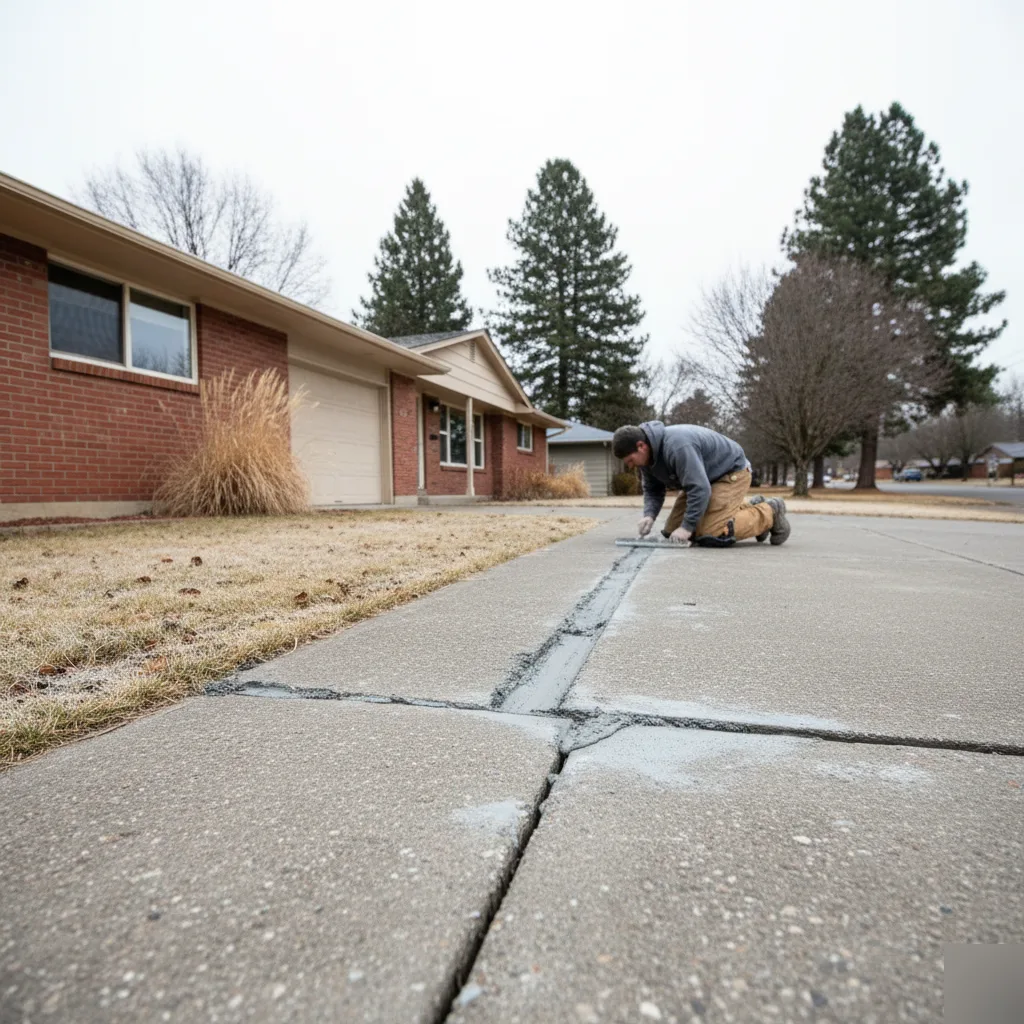
The residential streets branching off Sprague near Adams are mostly grid-pattern blocks. Older neighborhoods with alleys running behind the houses. which side streets are tight and which ones give us room to park the trailer without blocking a neighbor's mailbox. The houses along 4th and 8th avenues north of Sprague have narrower frontages, so we plan our staging before we leave the shop.
Traffic on Sprague builds around 7:30 a.m. near the Pines Road lights. So we load early. Most days our crew clears that bottleneck before it stacks up, arriving at the Adams Road area while the concrete is still cool enough to work with comfortably. Summer mornings in Spokane Valley give us a narrow window before temps climb, and a short drive means we don't waste any of it sitting in traffic.
If you're coming to us instead, head east on Sprague from Adams Road. Pass Pines, pass Sullivan, and we're on the south side of Sprague just before Greenacres. You'll see the shop. A handful of minutes depending on lights.
But most of the time we come to you. We bring everything we need in one trip because this area well enough to plan for it. The proximity between our shop and the Sprague and Adams Road corridor means same-day estimates aren't a stretch. We can swing by on the way back from another job on Sprague, look at your cracked slab, and have a plan ready before the week's out. That kind of turnaround only works when you're close, and we are.
What Older Concrete Slabs Along This Corridor Actually Need
Most driveways along the Sprague Avenue corridor near Adams Road share a common story. They've sat through decades of Spokane Valley winters. Freeze-thaw cycles hit this stretch hard every year, and older slabs show it in ways that are hard to miss once you know what you're looking at.
The homes between Adams Road and the blocks just east of it tend to be older builds. The driveways match. We see the same patterns out here over and over:
- Surface spalling where the top layer flakes off in sheets after years of salt and ice
- Deep cracks running the length of the slab from seasonal ground movement
- Settled sections near the garage apron where the base underneath has shifted
- Pitting and erosion along the edges closest to Sprague Avenue's drainage runoff
That last one is specific to this corridor. Sprague carries a lot of traffic and a lot of water. Properties sitting close to the road deal with extra moisture pushing toward their slabs, and it accelerates damage faster than most homeowners expect.
Concrete crack repair is the most common job we handle along this stretch. A single crack left alone through one winter turns into three by spring. Water gets in, freezes, expands. The slab breaks apart from the inside out. It's not dramatic at first, but by the time you notice chunks missing, the damage runs deep.
Here's what catches people off guard. A driveway that looks "just cracked" on top might have a failed sub-base underneath. The sandy soil common in this part of Spokane Valley doesn't hold the same way clay does. It shifts. It washes out under slabs that weren't poured with proper compaction. We've pulled up driveways near Adams Road and found voids the size of a basketball sitting under the concrete, nothing holding the slab up but habit.
So what do these older slabs actually need? Depends on the damage.
Minor surface issues respond well to driveway resurfacing. We grind down the rough spots and apply a new bonded layer. It restores the look and seals out moisture. For slabs with structural cracks or settlement, the repair gets more involved. Sometimes we cut out damaged sections and re-pour. Sometimes the whole slab needs to go. We don't make that call lightly, and we don't make it without showing you exactly why.
But not always a full tear-out. That's the thing people along this corridor don't always hear. A lot of these driveways can be saved with targeted concrete repair instead of starting over. We've worked on slabs near the Adams Road intersection that looked rough on the surface but had solid bones underneath. A proper repair job bought those homeowners another ten-plus years out of a slab most contractors would've ripped out.
We always check the slope on older Sprague Avenue corridor properties. Drainage matters more here than in newer subdivisions because the original grading wasn't always done with modern standards. If your driveway pools water near the garage, concrete crack repair alone won't fix that. We address the grade during the repair so water moves toward the street instead of sitting on the slab and working its way into every crack it can find.
After more than 20 years working across Spokane Valley, the older neighborhoods along Sprague keep us busy. These slabs weren't engineered to handle what our climate throws at them. They need someone who knows what to look for underneath the surface, not just on top of it. Call us for a free estimate and we'll tell you exactly what you're dealing with.
Frequently Asked Questions
Do you actually service the residential streets off Adams Road, or just the main Sprague corridor?
Yes, we work the side streets off Adams Road regularly — not just the Sprague frontage. The grid blocks south of Sprague near Adams are part of our regular route. We know which streets have tight frontages and where to stage a trailer without blocking neighbors. If your driveway is on 4th, 8th, or any block branching off that corridor, we can get to you.
The homes along this part of Sprague have been patched before — can you work over an existing repair?
Sometimes yes, sometimes no — and we'll tell you which before we start. Driveways near Adams Road often have patch-on-patch repairs that don't hold through Spokane Valley winters. If the base has shifted from the sandy soil common to this corridor, resurfacing won't save it. We check the foundation first. If it's sound, we can work with it. If it's not, we say so.
My driveway near Sprague and Adams Road has cracks that look small right now — do I really need to fix them before winter?
Yes, and the timing matters more than the crack size. Small cracks in July become serious damage by February in Spokane Valley. Water seeps in during fall, freezes hard, and splits the slab wider from underneath. What looks like a hairline fracture now can catch a tire or trip someone by spring. Getting ahead of the freeze cycle is the whole point.
Ready to Experience the Concrete Revival Difference?
Complete Service Area Coverage
- Spokane and Spokane Valley
- Coeur d'Alene metro area
- Deer Park and Newport
- Liberty Lake and Otis Orchards
- Cheney and Medical Lake
- Post Falls and Rathdrum