Driveway Repair Near Saltese Uplands | Concrete Revival
Saltese Uplands Conservation Area sits at the far southeast edge of Spokane Valley, where developed lots thin out and the terrain rolls into grassland and wetland. The homes around here aren't stacked tight like you'd find closer to Sprague. They sit on bigger parcels. Longer driveways. More concrete exposed to the sky.
That exposure matters.
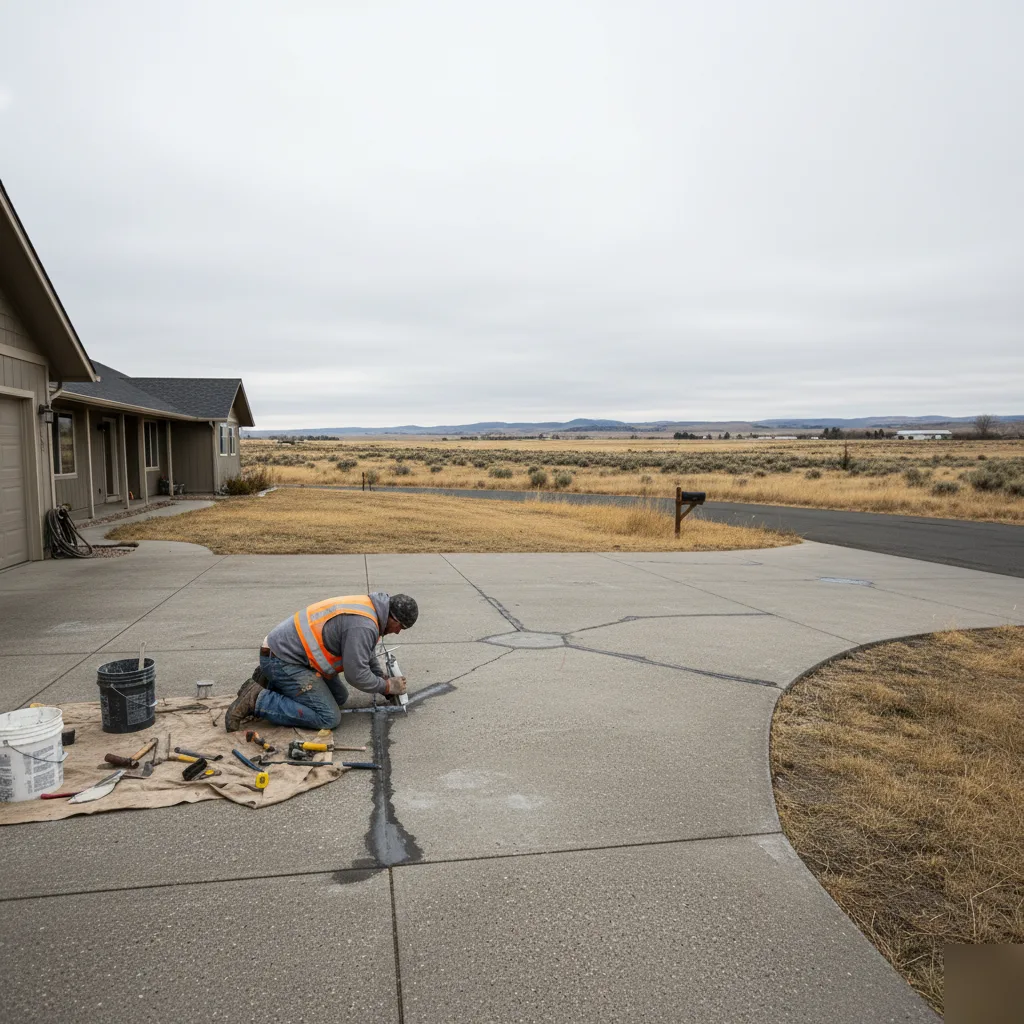
Freeze-thaw cycles hit this part of the valley hard every winter. The land out here is low, close to the water table, and moisture wicks up through concrete slabs from below while snow and ice press down from above. We see it every spring when we're out doing driveway repair near Saltese Uplands Spokane Valley. Slabs that looked fine in October have new cracks by March. Surface spalling shows up along the edges first, then creeps inward.
The houses along Henry Road and south toward Saltese Lake tend to share a few things in common:
- Longer driveways with more square footage exposed to weather
- Properties built on soil that holds moisture longer than the sandy ground further north
- Concrete that takes a beating from gravel, equipment, and heavier vehicle traffic
- Slabs poured without proper drainage grading toward the conservation area's low spots
We're out in this part of Spokane Valley regularly, and the pattern repeats. A homeowner notices a crack running across the apron. They ignore it through summer. By the next spring, water's gotten underneath, the slab section has shifted a quarter inch, and now the crack is a trip hazard. Concrete crack repair done early saves the whole slab, done late, you're looking at a full tear-out.
Early doesn't mean rushed. It means calling before the frost sets in, or right after the ground dries in spring. The Saltese Uplands area gets soggy. That wetland drainage affects the soil under your driveway more than most people realize, and we account for that when we repair concrete out here.
The driveways near the conservation area aren't all the same. Some are plain gray slabs poured when the house went up. Others have stamped or colored finishes that need careful matching during a repair. We handle both. A patch on a stamped driveway has to blend with the existing pattern or it looks worse than the crack did.
One thing we've noticed around Saltese Uplands is how many homeowners use their driveways for more than parking. Boats, trailers, ATVs heading out toward the trails. That weight adds stress to edges and joints. Driveway resurfacing becomes the right call when the surface is worn but the base is still solid underneath.
The conservation area draws foot traffic and wildlife, but the roads leading to it carry real vehicle weight. If your driveway connects to one of the busier stretches near Sullivan or 44th, you're dealing with vibration stress on top of everything else. Small cracks turn into big ones faster when heavy trucks roll past your property line every day.
If you've been watching a crack grow since last winter, don't wait for another freeze cycle to make the decision for you.
How Our Team Reaches the Saltese Uplands Area
Our shop sits on East Sprague Ave in Spokane Valley. Getting out to the Saltese Uplands Conservation Area means heading east, and the route is straightforward.
- Pull out of our lot at 16823 E Sprague Ave and head east.
- Continue on Sprague past Sullivan Road, staying eastbound through the commercial stretch.
- Turn south on Henry Road. The neighborhoods start to open up here.
- Follow Henry Road south until it meets Indiana Ave, then jog east toward the Saltese Uplands area.
- The conservation area and surrounding homes sit off Saltese Road and the streets branching from it near the wetlands.
Straight shot. No highway merges, no downtown bottlenecks. We're out on these roads regularly.
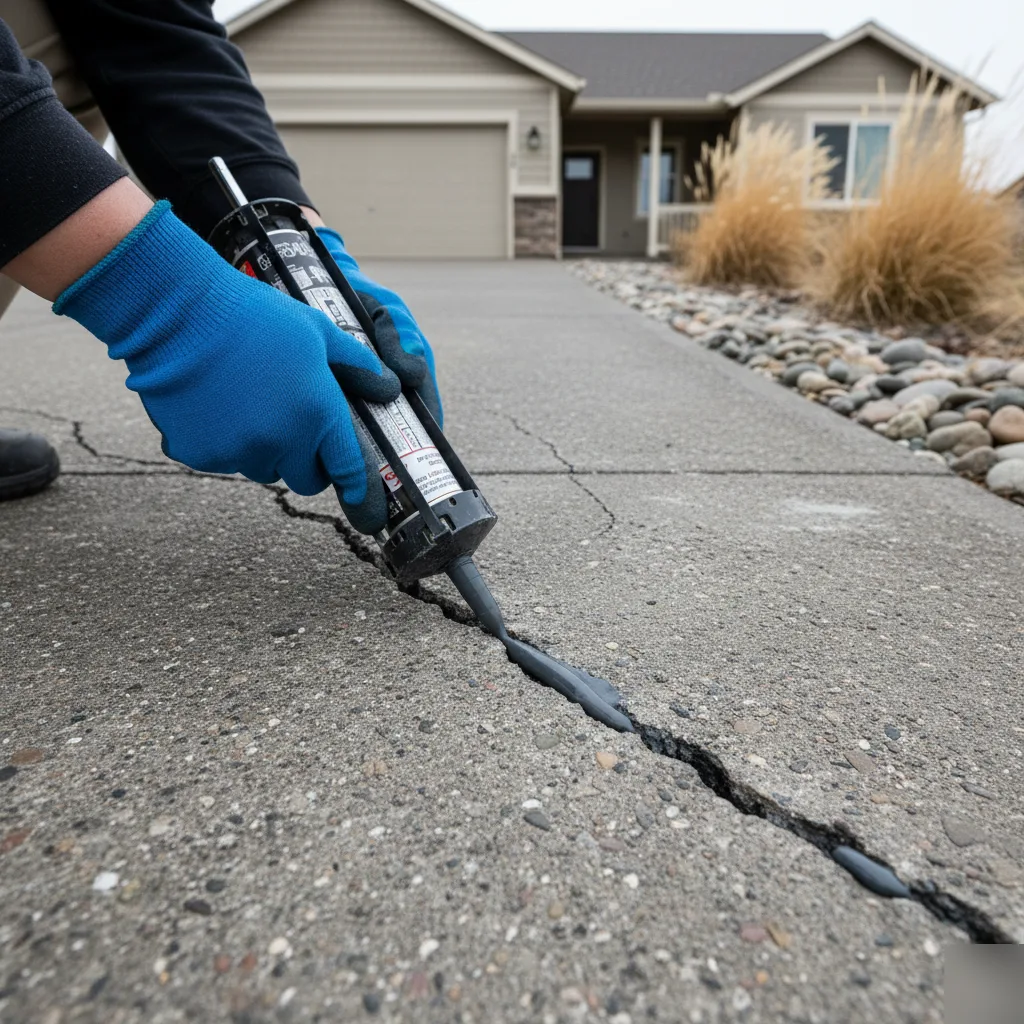
A lot of crews won't make the trip. They cluster around the Sullivan Road corridor and call it a day. But the homes near Saltese Uplands Conservation Area need concrete work just as much as anywhere else in the valley. The streets out here sit at slightly higher elevation than central Spokane Valley, the freeze-thaw cycles hit a little harder, and the soil conditions near the wetlands can shift under slabs in ways that flat valley lots don't deal with.
We've done driveway repair on properties along Saltese Road where the concrete had heaved a full inch on one side. That kind of lift doesn't happen overnight. It's years of moisture cycling through the ground near the conservation area's wetland edges, freezing in November, thawing in March, then doing it again. Understanding how freeze-thaw cycles degrade concrete from below is covered in detail in Washington State's Pavement Patching and Repair Guide, which outlines the same failure patterns we see on residential slabs out here every spring.
Because the Saltese Uplands neighborhood is quieter and more spread out, we can usually get our trailer and equipment staged without blocking traffic or crowding a neighbor's lot. That's a small thing, but it makes the job go smoother. No parking headaches, no tight turns between houses built three feet apart.
Most mornings we're loaded up and rolling east on Sprague before 8 a.m. Traffic is light heading that direction. By the time we pull onto your street near the conservation area, the crew's ready to work.
If you live out near Saltese Uplands and you've been putting off concrete crack repair because you figured nobody would drive that far, think again. We're already out here. Bigger lots, real driveways, homeowners who care about keeping things right. That's our kind of job.
Call us for a free estimate. We'll drive out, look at your slab, and tell you exactly what it needs.
What Newer Single-Family Driveways in This Part of the Valley Need
Most homes near Saltese Uplands Conservation Area are single-family builds. Lots are bigger out here than closer to the Sullivan Road corridor. Bigger lots usually mean longer driveways with more surface area exposed to Spokane Valley's freeze-thaw cycles.
That extra square footage adds up.
A short driveway on a compact lot might develop one or two cracks after a rough winter. But the driveways along the streets bordering Saltese Uplands tend to run 40 feet or more from the garage to the road. More length means more joints, more expansion stress, and more spots where water pools and freezes. We see it every spring out here. A homeowner spots a hairline crack in October, ignores it through the snow months, then finds a two-inch gap by April.
Concrete crack repair catches these problems before they get ugly.
A crack that sits open through even one Spokane Valley winter will almost always get worse. Water seeps in, freezes, expands. The slab lifts or sinks at the edges. That's not cosmetic damage anymore, that's a driveway repair job that costs real money if you wait. And around here, with the wetland soil conditions near the conservation area, that process moves faster than people expect.
Here's what we typically run into on driveways in this part of the valley:
- Surface scaling from deicing salt used on the long slopes near Saltese Uplands, where driveways often have a slight grade toward the street
- Control joint failure at the midpoint of longer pours, especially on driveways poured in a single session without proper joint spacing
- Edge crumbling along the sides where concrete meets gravel or landscaping rock, common on the wider lots out here
- Settlement cracks near the garage apron caused by backfill soil compacting unevenly over the first few years
The neighborhoods east of Sullivan and south toward the conservation area keep us busy. The homes are well-maintained and the owners care about their concrete. That's the kind of work we want to do.
And here's something worth knowing about the Saltese Uplands area specifically: a lot of homeowners out here poured decorative or colored concrete for their driveways. Looks sharp when it's new. But colored concrete shows damage faster than plain gray. A spall or pop-out on a standard slab blends in. On a stained or colored surface, it stands out immediately. Driveway resurfacing can restore the look without tearing everything out, and it holds up well when the base slab is still solid underneath.
Don't assume the whole thing needs replacing.
Most of the time it doesn't. A proper concrete driveway repair addresses the damaged sections and protects the rest. We match the existing finish as close as possible, seal the joints correctly, and make sure water drains away from the slab instead of sitting on it. And if the garage floor took damage too, we handle that. Epoxy floor coating or concrete finishing inside the garage pairs well with driveway work outside. Might as well fix both while the crew's already there.
Frequently Asked Questions
Do you actually service homes near Saltese Uplands Conservation Area, or is that too far out?
We service the Saltese Uplands area regularly — it's not too far at all. Our shop is on East Sprague Ave, and the drive east to Henry Road and Saltese Road is a straight shot with no highway headaches. We're already out this direction most weeks. If you've been putting off a call because you figured we wouldn't make the trip, don't. We will.
My driveway near Saltese Uplands gets used for a boat trailer and ATV — does that change what kind of repair I need?
Yes, heavier loads like trailers and ATVs stress the edges and joints of your slab more than regular vehicles. Homes near Saltese Uplands Conservation Area are bigger lots with longer driveways, so there's more surface taking that repeated weight. We look at whether the base is still solid underneath. If it is, resurfacing handles the worn top. If joints have shifted, we address those first.
Why do driveways near the Saltese Uplands wetlands seem to crack faster than other parts of Spokane Valley?
The wetland soil near Saltese Uplands Conservation Area holds moisture longer than the sandier ground further north. That moisture wicks up under your concrete slab all winter. Freeze-thaw cycles then push slabs from below while ice presses from above. We see heaved and cracked concrete every spring on properties along Saltese Road and Henry Road because of exactly this soil and drainage combination.
Ready to Experience the Concrete Revival Difference?
Complete Service Area Coverage
- Spokane and Spokane Valley
- Coeur d'Alene metro area
- Deer Park and Newport
- Liberty Lake and Otis Orchards
- Cheney and Medical Lake
- Post Falls and Rathdrum