
Driveway Crack Repair Near Driver Licensing Office
That stretch of Sprague Avenue by the Driver Licensing Office sees more foot and car traffic than most people realize. The neighborhoods just behind it, the residential streets branching off Sullivan and running south toward the valley floor, those driveways take a beating every winter.
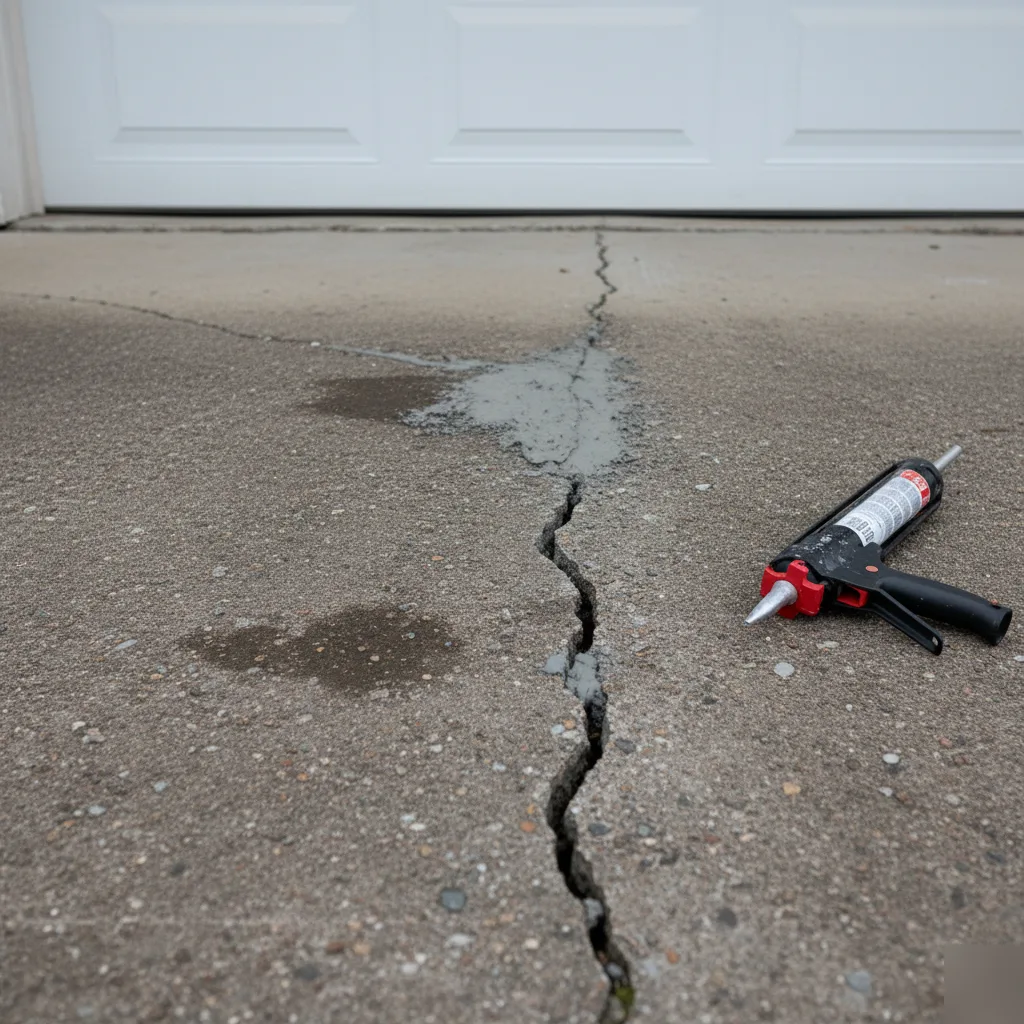
We're out in this part of Spokane Valley constantly. The homes in this corridor catch wind, collect snowmelt, and freeze hard from November through March. Concrete driveways around here don't just crack from age, they crack because water pools in low spots, freezes overnight, expands, then thaws by afternoon. That cycle repeats dozens of times each winter. One small crack in October becomes a jagged split by April.
Driveway crack repair near the Driver Licensing Office in Spokane Valley is something we handle regularly because the conditions here demand it. The soil along this part of the valley has real clay content. It shifts with moisture changes and puts stress on slabs that were poured decades ago. Many of the homes within a few blocks of the licensing office are single-family places that have been around long enough to show their age in the concrete.
Here's what we typically see on driveways in this area:
- Hairline cracks along control joints that have widened over multiple freeze-thaw seasons
- Corner breaks near garage aprons where water drains off the roof and pools
- Long linear cracks running parallel to the street, caused by ground settling beneath the slab
- Surface spalling from old salt damage or poor original finishing
Every one of those problems gets worse if you wait. A crack that's a quarter inch wide today lets in twice as much water next rain. That water freezes. The crack grows. By the time you're renewing your license on Sprague and pulling back into your driveway, the damage has doubled.
We had a homeowner last fall on one of the residential streets just south of the DOL office. Their driveway had three cracks running across the full width. They'd been there for two winters already. The previous owner had filled them with hardware store caulk, it pulled away within months. We cleaned out the old filler, routed the cracks properly, and applied a flexible concrete crack repair material rated for Spokane's temperature swings. That driveway made it through the whole winter without reopening.
But not every crack needs the same fix.
Some driveways in this corridor have settled unevenly, so the crack is really a symptom of a bigger shift underneath. We look at the whole slab before we touch anything. If the foundation is stable, concrete crack repair handles it. If the slab has dropped or heaved, we talk about driveway resurfacing or a full concrete repair approach instead. Understanding how different crack types form and behave is essential — the concrete crack repair information from NRMCA outlines why crack type determines the correct repair method.
Spokane Valley's climate doesn't forgive neglect. Twenty years of working these streets has taught us that much. The homes along Sullivan Road and the blocks surrounding the licensing office sit right in the path of valley weather patterns that make concrete maintenance a real priority, not something you put off until the cracks become tripping hazards.
If your driveway has cracks forming, get a free estimate before the next freeze cycle starts. Fixing it now costs less than replacing it later.
Why Residents Near This Area Visit Concrete Revival
People idle in parking lots near that DOL office on Sprague, wait in lines, stare at the ground. You know what they notice? Cracked concrete. And then they go home and look at their own driveway a little harder.
We get calls from this part of Spokane Valley all the time. Homeowners along Sullivan Road and the blocks south of the DOL office deal with the same freeze-thaw punishment every winter. Water seeps into small cracks in the fall, freezes hard by December, expands, and by March you've got a driveway that looks ten years older than it did in September. That cycle is brutal on concrete, it doesn't care how well your slab was poured originally.
Here's what makes this corridor different from other parts of the Valley:
- Heavy daily vehicle traffic on surrounding roads means driveways near Sprague take extra stress from cars pulling in and out
- Many homes here sit on older slabs that have already survived dozens of Spokane winters
- Commercial and residential properties sit close together, so curb appeal matters more than people think
- Road salt and de-icer runoff from Sprague Avenue accelerates surface damage on nearby residential concrete
Driveway crack repair is the most common job we do in this neighborhood. Not full replacements. Not tear-outs. Solid, lasting crack repair that stops the damage before it spreads.
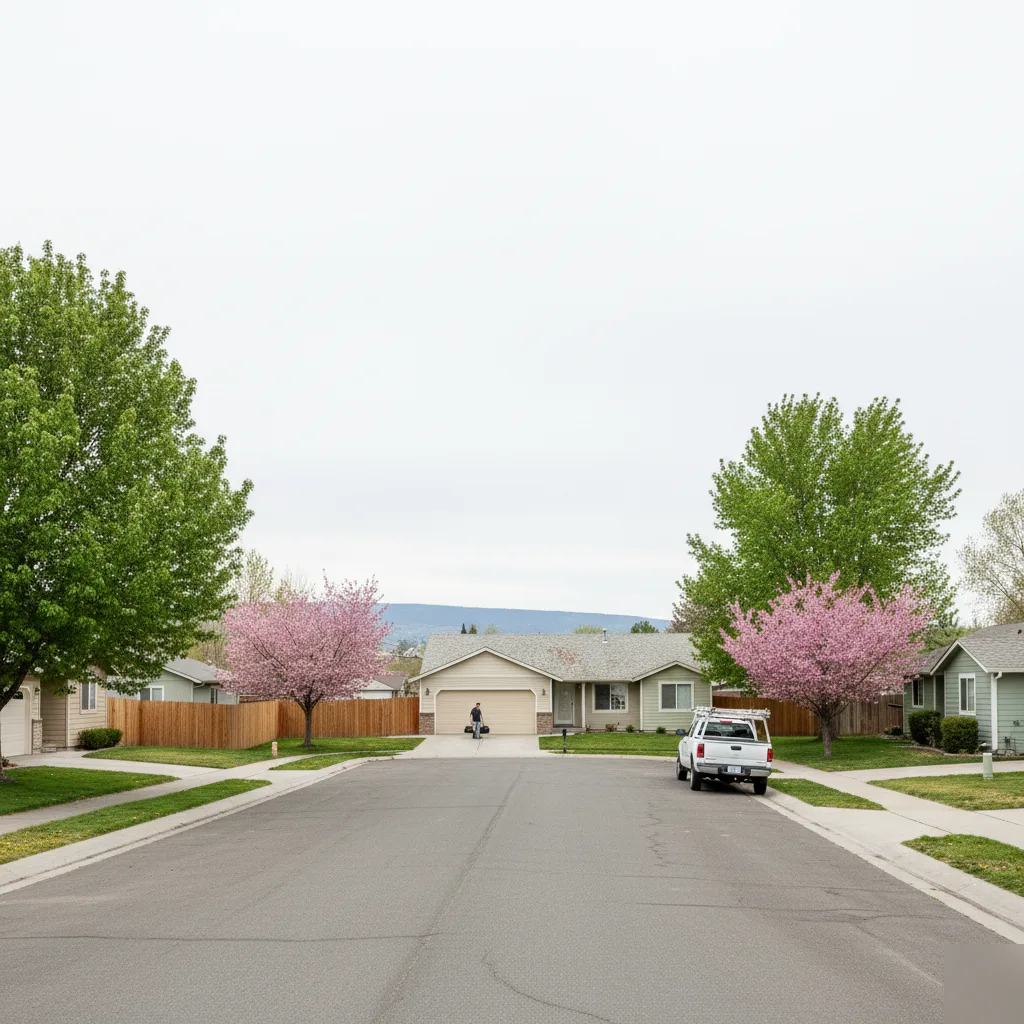
A typical call goes like this. Someone on one of these residential streets notices a crack running across their driveway, maybe two feet long. They figure it's cosmetic. But one more winter hits and that crack branches out, the edges start to spall, and now water pools underneath the slab. By the time they call us, a simple concrete crack repair has turned into a bigger project. We'd rather catch it early, and we tell people that straight up.
And that's why we push people to act in spring or early fall. The weather window in Spokane Valley is tight. You've got maybe six good months for concrete work before temperatures drop below what repair materials can handle. Residents in this part of Spokane Valley who call us in April or May get ahead of the next freeze cycle.
That matters more than most people realize.
We've been doing this for over 20 years across Spokane. The homes around this part of Spokane Valley keep us busy because the conditions are relentless. Salt exposure, temperature swings from 95 degrees in July to single digits in January, heavy SUVs and trucks parked on aging slabs. It all adds up.
But driveway crack repair done right holds up. We match the repair to the type of cracking, whether it's surface-level spider cracks or deeper structural splits that need more attention. Every driveway in this area has its own story. We read the concrete before we touch it.
So if you've been driving past that DOL office on Sprague and thinking your own driveway looks rough, you're probably right. Call us for a free estimate before the next freeze makes it worse.
What Older Single-Family Driveways in This Part of Spokane Valley Need
Most homes along Sprague and the side streets off Sullivan Road sit on lots developed decades ago. The driveways match. You'll see slabs poured thin, with no real joint plan, sitting on soil that's shifted through years of Spokane Valley's freeze-thaw cycles. That's the starting point for almost every driveway crack repair job we do in this neighborhood.
And the cracks here aren't small. They run deep.
Older single-family homes in this stretch of Spokane Valley share a few traits that make their driveways especially vulnerable:
- Original pours with minimal reinforcement, common in mid-century residential builds east of Sullivan Road
- Soil movement from decades of irrigation runoff draining toward the Valley's lower elevations
- Tree root pressure from mature landscaping that's had 30 or 40 years to push under slabs
- Repeated salt and deicer exposure from homeowners fighting ice on north-facing driveways all winter
That combination does real damage over time. A hairline crack in September becomes a quarter-inch gap by March. Water gets in, freezes, expands, breaks the concrete apart from the inside. We see it every spring in the blocks between Evergreen and Park Road. Same story, same failure pattern.
Here's what most people in this part of Spokane Valley don't realize. A cracked driveway isn't just ugly. It's getting worse every day you leave it. Summer heat pushes 95 degrees and bakes slabs until they expand. Then October hits and nighttime temps drop below freezing. That cycle repeats hundreds of times a year, every crack grows a little more each round.
We've been doing concrete crack repair in Spokane Valley for over 20 years now. The houses around this part of town keep us busy because the driveways were built for a different era. Thinner pours. Less prep. No vapor barriers underneath. The homes themselves hold up fine, but the flatwork out front tells a different story.
So what do these driveways actually need? It depends on how far the damage has gone. Surface-level spider cracks respond well to concrete repair and sealing. Deeper structural cracks need proper filling, sometimes routing and bonding agents before we can seal them right. And if a section has heaved or sunk from root pressure or soil washout, that's a different conversation about driveway resurfacing or partial replacement.
But the first step is always the same. Get someone out to look at it who knows what Spokane Valley soil and weather do to concrete. Not someone guessing from a photo.
One thing we notice specifically on the residential streets south of Sprague, and this is something we point out on almost every estimate in this neighborhood, is how many driveways slope toward the garage. That's a drainage problem that accelerates cracking. Water pools at the garage apron, freezes in place, and pries the slab apart right where it meets the foundation. We see that failure point constantly around here. It's predictable, it's fixable, but you've got to catch it before the whole apron section needs replacement.
Driveway crack repair done right means matching the fix to the problem.
A stress crack from original curing is different from a crack caused by root heave. We treat them differently because they fail differently. That's 20 years of reading Spokane Valley concrete talking, and we're not going to hand you a one-size-fits-all patch job and call it done. Build it once, build it right. That's how we work.
Frequently Asked Questions
Do you service driveways on the residential streets right behind the Driver Licensing Office on Sprague?
Yes, we work in this part of Spokane Valley regularly. The streets branching off Sullivan Road and running south toward the valley floor are areas we visit constantly. Homes in this corridor deal with freeze-thaw damage every winter. We know the conditions here well and can get to your driveway without any scheduling hassle.
Is spring really the best time to schedule driveway crack repair near the Driver Licensing Office area?
Spring is the ideal window, and we tell every homeowner in this corridor the same thing. Spokane Valley gives you roughly six good months before temperatures drop too low for repair materials to cure properly. Calling us in April or May means we fix the damage before the next freeze cycle starts. Waiting until fall puts you right back at risk for the same cracks reopening by March.
Why do driveways near the Driver Licensing Office seem to crack worse than other parts of Spokane Valley?
The soil along this stretch has real clay content that shifts with moisture changes. Many slabs near the licensing office on Sprague were poured decades ago and have already survived dozens of brutal Spokane winters. Add road salt runoff from Sprague Avenue and heavy daily traffic, and your driveway faces more stress than most. That combination accelerates cracking faster than age alone.
Ready to Experience the Concrete Revival Difference?
Complete Service Area Coverage
- Spokane and Spokane Valley
- Coeur d'Alene metro area
- Deer Park and Newport
- Liberty Lake and Otis Orchards
- Cheney and Medical Lake
- Post Falls and Rathdrum