
Does Homeowners Insurance Cover Driveway Repair?
Most folks just figure their homeowners policy takes care of any damage to their property. That's not the case. Your policy views your driveway as an "other structure," much like a back fence or a garage that's not attached. And that tiny difference changes everything about what you can claim.
Insurance outfits split damage into two types: sudden hits and slow rot. A big old tree lands on your driveway during a wild Spokane Valley windstorm? That's a sudden hit. Your insurer will probably pay for that driveway repair. But the tiny cracks that grow over three rough winters? That’s just normal wear and tear, and your policy won't touch it.

Here's the part that gets people confused. Your policy spells out "covered perils." These are the exact situations where your insurer agrees to open their wallet.
- Fire, lightning, or an explosion that hurts the driveway surface.
- Damage from a truck hitting the driveway (not your own car, mind you).
- Vandalism that causes real destruction to the concrete.
- Things falling down, like big tree branches during a storm.
If the damage doesn't match a listed peril, you're footing the bill. We see this catch homeowners off guard all the time.
This is the big one, no doubt about it. Almost every regular homeowners policy leaves out damage from simply getting old — and that's exactly why Spokane driveway repair you can count on matters more than most homeowners realize until it's too late. Our freeze-thaw cycles crack concrete over time here in Spokane Valley. Tree roots push slabs up, year after year. Water slowly eats away at the ground under your driveway. None of that stuff will get you a claim. When wear and weather stack up the way they do in this valley, having Spokane driveway repair you can count on means catching the damage early — before it crosses from maintenance territory into full replacement.
The Insurance Information Institute says wear and tear is the top reason driveway claims get denied. Your insurer expects you to keep up your place. They see cracks and settling as your job.
So, what does this actually mean for you? If your driveway has been breaking apart for a couple of years, insurance isn't your way to get it fixed. Driveway repair becomes routine home upkeep, straight up your responsibility.
When a Claim Might Actually Work
A delivery truck backs up into your driveway, crushing a chunk of concrete. That's fast, it's an accident, and you didn't cause it by letting things go. You'd file under your property damage coverage, the insurer sends an adjuster, they figure out the cost for that driveway repair.
But even then, your deductible matters a lot. If fixing the busted section costs less than your deductible, filing a claim makes no sense at all. You’d pay the whole amount anyway, and you'd have a claim on your record.
And here’s something people often miss until it’s too late. Filing tiny claims can push your rates higher. Sometimes, just handling the driveway repair yourself is the smarter play, even if you technically have coverage. We think that's usually the best way to go.
One more detail worth knowing. If something covered damages your driveway and you just let it sit there, your insurer can deny future claims tied to that. They expect you to fix things fast. Letting water get into cracks after a storm changes a covered loss into one that's excluded.
The plain truth is simple. Insurance covers sudden, surprising driveway damage from specific things. It does not cover the slow wearing out that happens to every concrete driveway over time. If your driveway needs work now, getting a professional assessment is usually faster than waiting on an insurance call that likely won't go your way.
Covered Perils That May Apply to Your Driveway
Your homeowners insurance policy lists the exact events it covers. They call these "named perils." Not every bad break that hits your driveway will count. But a few common perils might just get your driveway repair paid for.
Let's look at the ones most likely to matter.
Fire and Explosion
If a car catches fire in your driveway and the heat cracks or scorches the concrete, that's a covered peril under most standard policies. We've actually seen this around Spokane Valley after a car engine fire spread right to the slab below. The homeowner never even thought to file a claim at first. That driveway repair ended up getting covered because fire damage is almost always on the list of named perils.
Falling Objects and Vehicles
A big tree branch drops during a windstorm. It punches a hole right through your driveway. That's usually covered. Same thing for a vehicle hitting your driveway in an odd way, like a delivery truck jumping the curb and digging into the concrete.
The key thing here is "sudden." Insurance companies want proof the damage happened fast and without any warning. A tree slowly pushing roots under your slab for five years? That's not sudden. A big branch snapping off during a real November ice storm and cracking your concrete? Yes, that is.
Vandalism
Someone purposely messes up your driveway. Maybe they pour weird chemicals on it or hit it with a sledgehammer. Vandalism is a named peril on most HO-3 policies, which is the most common kind of homeowners insurance in the country. You'd call the police first, get a report, then call your insurer.
Many people don't even realize vandalism applies to driveways.
Weight of Ice, Snow, or Sleet
This one really matters in Spokane Valley. Our winters bring heavy snow and freeze-thaw cycles that can do real harm. If a single bad ice event causes your driveway to lift or crack hard, some policies cover that under "weight of ice, snow, or sleet." But here’s the sticky part, the damage must come from one clear event. Slow cracking over several winters won't make the cut.
We get calls about this every spring around here. Homeowners spot new cracks after the snow melts and just assume insurance will handle it. Sometimes it does. Often, it doesn't. The big difference is whether you can point to one specific storm or moment.
Perils That Almost Never Apply
A few situations look like they should be covered, but they never are:
- Ground settling or shifting under the driveway.
- Just getting old from years of cars driving on it.
- Cracks caused by tree roots growing slowly over time.
- Damage from a bad install or cheap materials used long ago.
- Flooding from high water, unless you have separate flood coverage.
Insurance adjusters are good at spotting these things. They will look hard at whether the damage truly came from a covered peril or from simply letting things go too long. That's why taking pictures of your driveway before winter hits is smart. Get those photos every fall. If something sudden happens, you have proof of what changed.
So, what should you do if you think a covered peril messed up your driveway? Start by checking your policy’s "other structures" part very carefully. Then, take pictures right away. If you need help figuring out exactly what kind of driveway repair you’re facing, our crew can walk through what's going on with your concrete before you file anything.
Why Most Driveway Damage in Spokane Valley Is Excluded
Here's the news no one wants to hear. Most driveway damage gets filed under "wear and tear" in your policy. Insurance companies just don't cover things that happen slowly over time. They pay for sudden events. That's a huge difference, and it trips up a lot of folks.
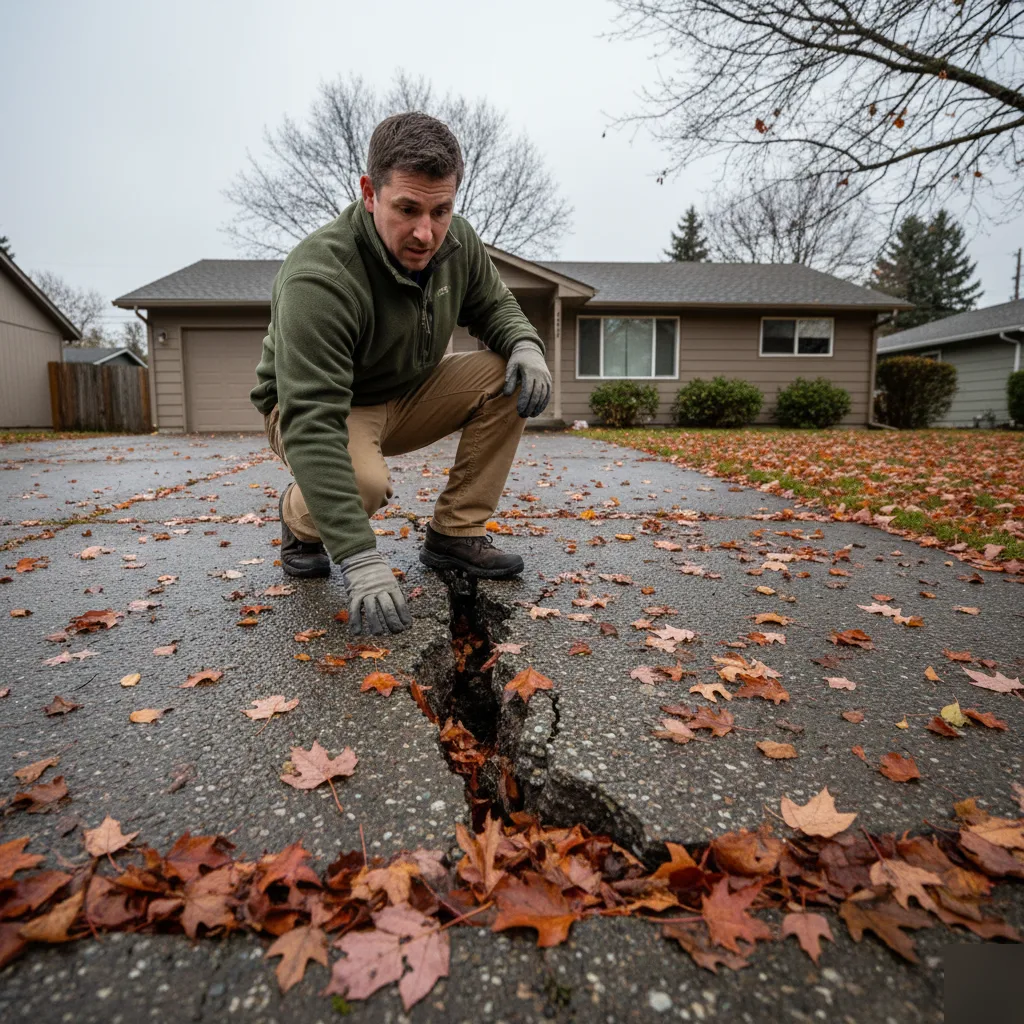
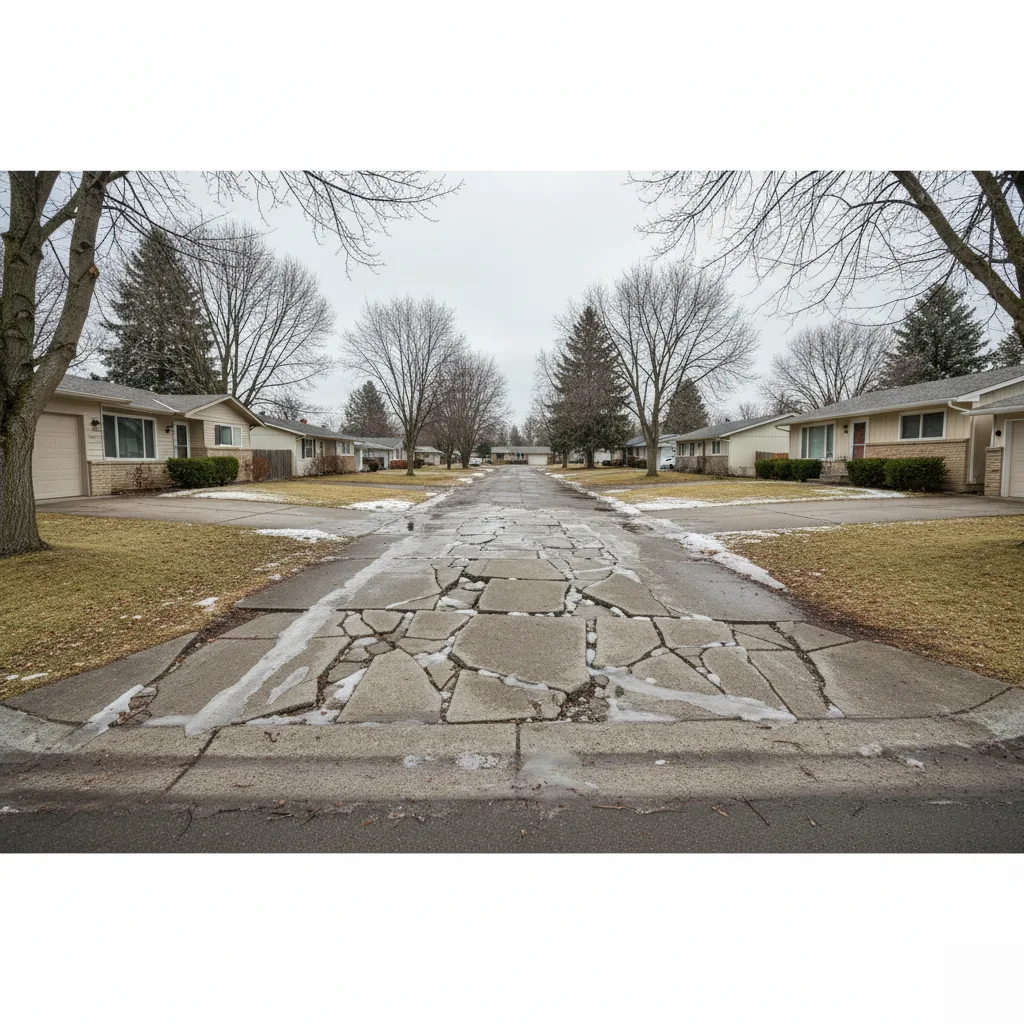
Think about what actually breaks driveways here in Spokane Valley. Our freeze-thaw cycles are truly brutal. Water slips into small cracks during the fall rains. Then temperatures drop way below freezing, sometimes hitting single digits near the Spokane River corridor (that cold air just hangs there). That water pushes out hard as it freezes. The concrete splits a little more each winter. By springtime, you've got real problems, not tiny ones.
But your insurance company calls that "gradual deterioration." It's just not covered.
We see this exact pattern all the time with homeowners out near Greenacres and along Sprague Avenue. They'll spot a crack one year, ignore it through the summer, then find a much larger crack the next spring. By the time they call us for driveway repair, the damage has been slowly building for two or three seasons. Their insurer won't touch it with a ten-foot pole.
The Most Common Exclusions
Regular homeowners policies do not cover driveway damage from these causes:
- Normal wear and aging, concrete just breaks down over years of use, sun, and weather.
- Tree root pressure, roots push up from below, cracking slabs apart slowly.
- Bad drainage, water sitting against your driveway eats away at the base underneath it.
- Ground settling, soil moves beneath the slab, making bumpy surfaces.
- Skipped maintenance, small cracks left open that grow into big headaches.
Every single one of those is super common here in Spokane Valley. Our soil conditions, our older neighborhoods with houses from the 50s and 60s, our big, mature trees. They all lead to the exact kind of damage insurers specifically leave out.
What About Earthquake Damage?
Spokane Valley sits in a pretty active seismic zone. Small quakes happen here more often than people realize. But standard homeowners insurance doesn't cover earthquake damage either. You'd need a separate earthquake policy for that, and most people just don't carry one.
So if the ground moves and cracks your driveway, you're likely paying for it yourself, no matter what.
And here’s something a lot of folks don't figure out until it’s way too late. Even when a covered event does cause some damage, the insurer will look hard at whether old wear made the damage worse. If they find old cracks or signs you let things go too long, they can cut down your payout or deny the whole claim. The Insurance Information Institute says maintenance-related claims are denied a lot across all homeowner policy types.
I had a customer near Sullivan Road whose driveway got hit by a delivery truck. Cracked the edge of a slab, a clear hit. Seemed like an open-and-shut case for a claim. But when the adjuster came out, he pointed to three other cracks that had been there for years. The insurer only covered a small part of the driveway repair because they argued the driveway was already falling apart.
That story plays out more often than you’d think., it’s why we engineer every pour to survive Spokane's brutal freeze-thaw cycles – guaranteed for 10 years or we'll fix it free.
The main point is simple. Waiting for insurance to handle driveway repair almost never works out well. Small cracks today turn into huge, expensive problems next year. Taking care of concrete crack repair early keeps costs lower and stops the kind of damage that no one will pay for but you. If you're already seeing signs of trouble, getting a professional look now is smart before another Spokane Valley winter makes things even worse.

Frequently Asked Questions
Does homeowners insurance cover driveway repair costs?
Sometimes yes, but only for sudden damage from a covered peril — not for normal wear and tear. Your driveway is listed as an "other structure" on your policy. That means fire, falling trees, vandalism, or a vehicle hitting it may be covered. But cracks from freeze-thaw cycles or slow settling? Your insurer won't pay for those. If you're unsure what your policy covers, our parent page on driveway repair in Spokane Valley walks through your next steps.
How do Spokane Valley winters affect driveway insurance claims?
Spokane Valley's freeze-thaw cycles are tough on concrete driveways. Ice expands inside small cracks, making them bigger each winter. Some policies cover damage under "weight of ice, snow, or sleet" — but only if you can point to one specific storm. Gradual cracking over multiple winters won't qualify. Every spring, homeowners here spot new cracks after the snow melts and assume insurance will handle it. Often, it won't unless the damage ties back to one clear event.
Is a cracked driveway covered if a vehicle hits it?
Yes, vehicle damage to your driveway can be covered — but not if it's your own car. If a delivery truck jumps the curb and crushes part of your concrete, that's a sudden accident and likely a covered peril. Your insurer would send an adjuster to look at the damage. Just remember your deductible. If the repair costs less than your deductible, it makes more sense to skip the claim and handle the driveway repair directly.
What kinds of driveway damage does insurance usually deny?
Insurance almost always denies driveway damage caused by wear and tear, ground settling, or tree roots pushing up slabs over time. The Insurance Information Institute says wear and tear is the top reason driveway claims get rejected. Your insurer expects you to keep up your property. Slow cracking over several winters is considered your responsibility, not theirs. If the damage has been building up for years, filing a claim likely won't help you.
When should you just pay for driveway repair yourself instead of filing a claim?
Pay out of pocket when the repair cost is close to or less than your deductible. Filing a small claim can raise your rates, and you'd pay the full amount anyway. If your driveway has been cracking slowly over time, that's wear and tear — filing won't work. Save your claims for big, sudden damage like a delivery truck crushing a section of concrete. Small fixes are almost always better handled without calling your insurer.
What's a common mistake Spokane Valley homeowners make with driveway insurance claims?
The biggest mistake is waiting too long after damage happens. If a covered event cracks your driveway and you let water get into those cracks, your insurer can deny the claim later. They expect you to act fast. Another common mix-up is thinking all driveway damage is covered just because the policy covers the home. It isn't. Wear and tear, slow settling, and root damage are always excluded — no matter how good your policy looks on paper.
Ready to Experience the Concrete Revival Difference?
Complete Service Area Coverage
- Spokane and Spokane Valley
- Coeur d'Alene metro area
- Deer Park and Newport
- Liberty Lake and Otis Orchards
- Cheney and Medical Lake
- Post Falls and Rathdrum