

Does Home Insurance Typically Pay for Driveway Damage in Spokane Valley?
Here’s the straight talk. Your homeowners insurance probably covers your driveway. But it’s only under very specific situations. Most people don't figure this out until they're staring at a big crack and a denied claim. That's a real headache.
Standard homeowners policies consider your driveway an "other structure" on your property. It sits in the same bucket as your fence, your shed, or a detached garage. Coverage only kicks in when the damage comes from what insurance folks call a "covered peril." That’s just their way of saying events you can't control.
Covered Perils That Apply to Driveways
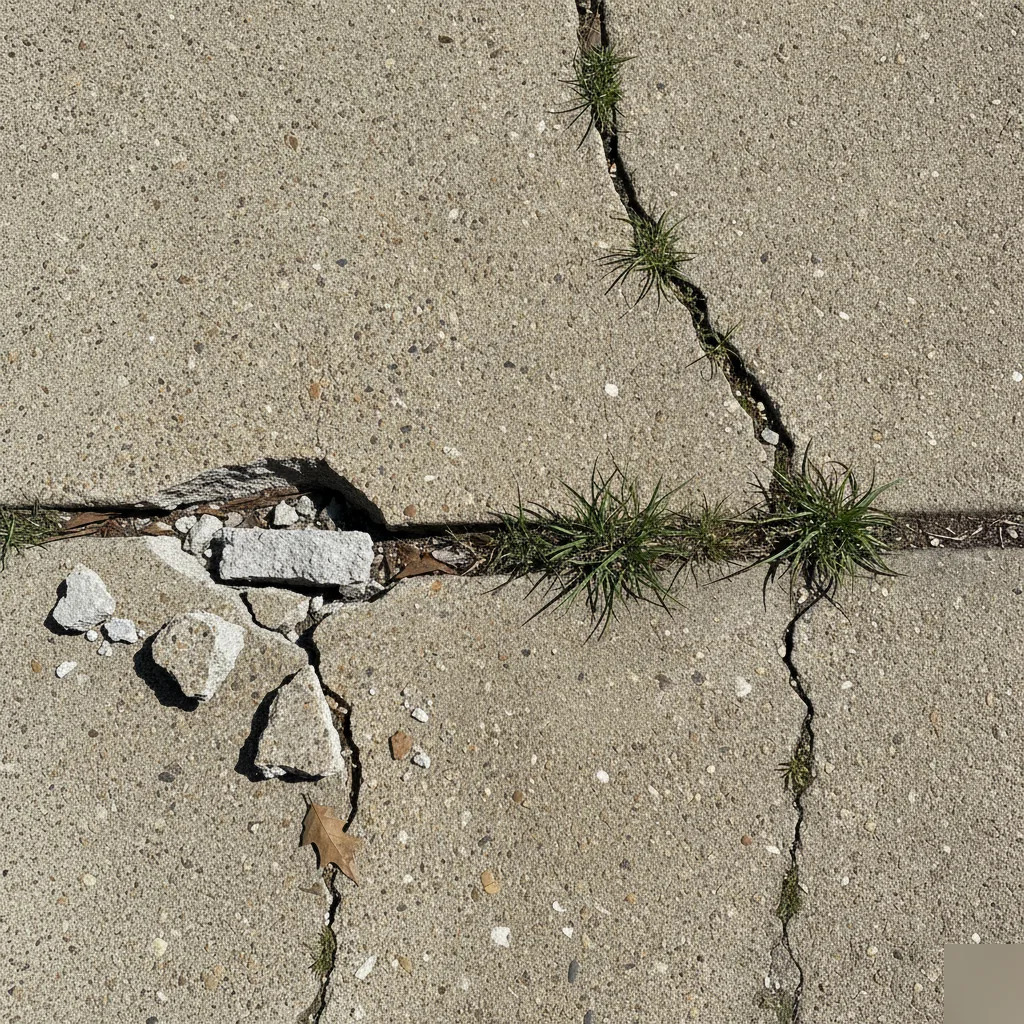
Not every kind of damage makes the cut. Your policy usually covers driveway damage from things like these:
- A tree falls during a windstorm, smashing the slab.
- A car that isn't yours crashes right into the driveway.
- Fire, lightning, or an explosion wrecks the concrete.
- Vandalism causes real destruction to the surface.
So, if a big old ponderosa pine snaps during a January ice storm, a common Spokane winter event, and lands on your driveway, maybe near the Sullivan Road corridor, that’s likely a covered event. We've seen exactly that happen to Spokane Valley homeowners more than once. It’s never fun to clean up.
But here’s where things get tricky.
What Your Policy Won't Pay For
The kind of damage most Spokane Valley driveways take? Insurance won't touch it. Those relentless freeze-thaw cycles, the settling soil, tree roots pushing up, poor drainage, or just plain old age. None of that counts as a covered peril. The Insurance Information Institute states that standard policies always leave out damage from wear and tear, any kind of earth movement, and gradual deterioration. It’s a bitter pill to swallow.
Think about what our Spokane winters do to concrete. Water seeps into those tiny cracks. It freezes solid. It expands. Then it thaws out. This happens dozens of times between November and March. That’s the number one reason driveways fail around here, you know. And it's also the one thing your insurance company will not pay to fix. It just isn’t how it works.
We've had homeowners call us after filing a claim for a badly cracked driveway. They figured the damage just happened overnight. But the adjuster shows up, looks at the surface spalling and the crack patterns, then calls it wear and tear. Claim denied. Happens all the time.
And if your own car leaks oil, leaving a big stain on the concrete? That’s on you. Same goes if your own vehicle backs over the edge and breaks a chunk off. That’s just how it goes.
The Deductible Problem
Even when damage is covered, there’s another kicker. Your deductible might be more than the repair itself. Most homeowners carry a deductible between $500 and $2,500. If a covered event causes $1,200 in driveway damage, and your deductible is $1,000, you're only getting $200 back. Filing that claim could even make your premiums go up for years. It's worth understanding how home improvements affect insurance rates before deciding whether a claim is even worth filing. this is the part most people overthink.
Most people are smarter handling driveway repairs themselves, out of pocket. That’s just the reality of it in Eastern Washington.
The real move is catching damage early. Before small cracks turn into full slab failures. If you're seeing cracks, surface flaking, or uneven sections on your Spokane Valley driveway, don't wait for it to get worse. We offer driveway repairs and concrete crack repair that stop the problem before it spreads. Our professional-grade work is built to last. Check out our driveway repair services and get a free estimate while the fix is still simple. And, a quick repair saves you from a full driveway replacement later.
Bottom line: insurance is there for the big disasters. Not for the slow grind of Spokane winters on concrete. Knowing the difference saves you time, money, and a frustrating phone call with your adjuster.
Why Cracked, Heaving, or Settling Driveways Rarely Qualify
Here's the hard truth most Spokane Valley homeowners don't want to hear. That cracked driveway you've been staring at all winter? Your insurance company probably won't pay to fix it. We see this all the time.
We get calls about this constantly. A homeowner notices their concrete has shifted, heaved, or split apart. They assume their homeowner's policy should cover it. But insurance adjusters, well, they see it differently.
The "Wear and Tear" Problem
Most standard home insurance policies always exclude damage from normal wear and tear, settling, or earth movement. The Insurance Information Institute says these exclusions exist because insurers see them as maintenance issues. Not sudden losses. That's the key word there: Sudden. Everything else is just upkeep.
Think about what Spokane Valley driveways deal with every single year. Those brutal freeze-thaw cycles push moisture into tiny cracks from October right through March. The ground shifts underneath. The soil compacts unevenly over time. Your concrete heaves a little more each season. None of that happens overnight, it happens slowly across years. And slow, creeping damage is almost always denied.
We've seen this crack pattern a hundred times along the Sullivan Road corridor and through the neighborhoods near Greenacres. The slab lifts on one side, drops on the other. Roots push right through the concrete. Water pools in the low spots and freezes again. By the time you call your agent, the adjuster takes one look and says, "maintenance issue." It's frustrating to hear.
What About Heaving From Frost?
You'd think frost heave would count as real weather damage. It doesn't. Most policies treat frost heave as a natural ground movement problem. That puts it in the same category as settling or shifting soil. Excluded. It's tough, but that's the rule.
Same goes for tree root damage, by the way. If roots from your big pine tree pushed your driveway slab up three inches, that's on you. Insurance companies view root intrusion as a preventable maintenance concern. They expect you to keep an eye on your trees.
Here's a real scenario we run into. A homeowner in Spokane Valley had a driveway with two inches of heave across the center joint. They filed a claim after a rough Spokane winter. The adjuster came out, noted the damage had been developing for multiple seasons based on the crack patterns and staining, and denied it. The homeowner was stuck paying out of pocket for concrete crack repair and driveway resurfacing. Most homeowners wait too long to call us, then they’re out of options.
Most people don't realize this until it's too late.
The Few Exceptions
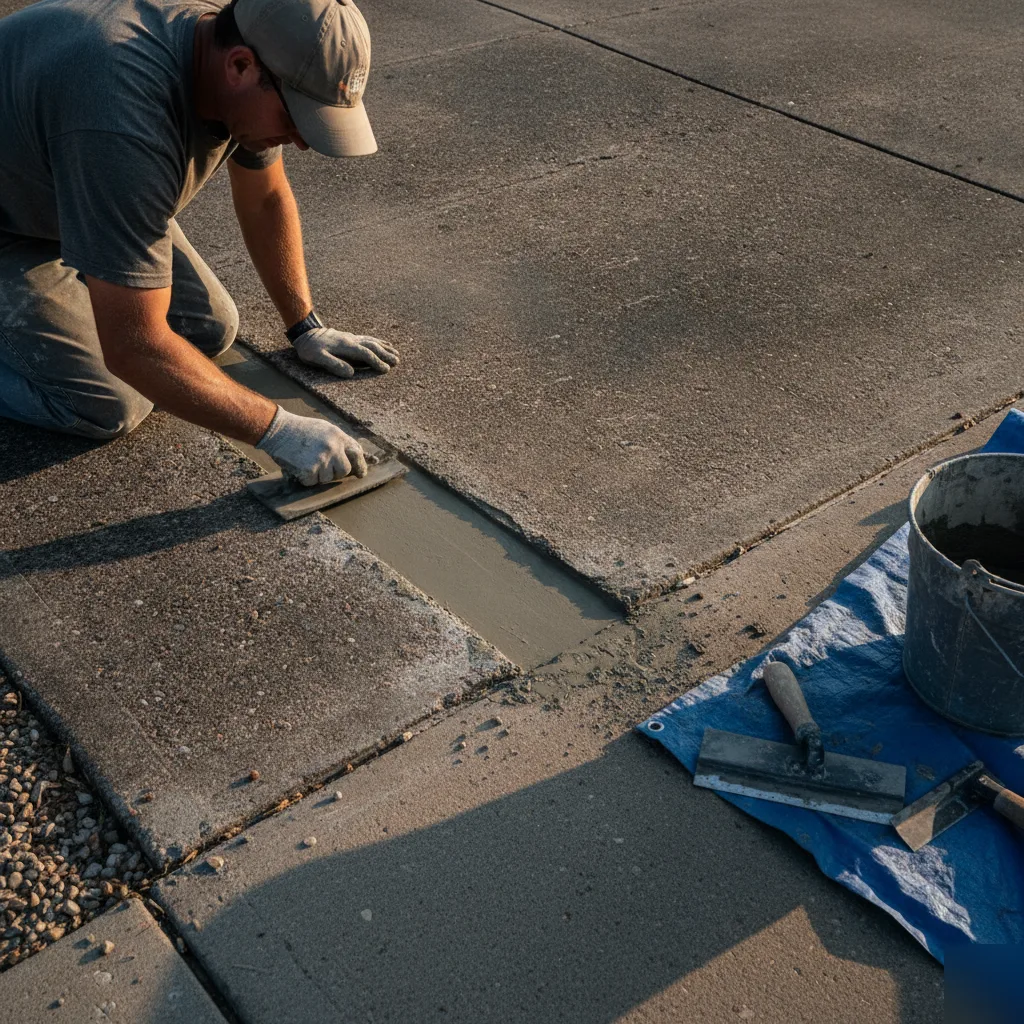
There are rare situations where driveway damage gets covered. But they're very narrow:
- A car that isn't yours crashes into your driveway, breaking the slab.
- A covered peril like fire or explosion damages the concrete.
- Vandalism causes sudden, documented destruction to the surface.
Notice what all three have in common. They're sudden events with a clear cause. Not gradual. Not weather-related wear. Not settling that took five years to show up. And that's the rub.
So what should you do instead of waiting on an insurance check that probably won't come? Get ahead of the damage before it gets worse. Small cracks turn into big cracks fast in our Eastern Washington climate. A concrete crack repair done this spring saves you from a full driveway replacement next year. If you're seeing signs of heaving or settling, talk to a local concrete contractor who understands Spokane Valley's unique soil and intense weather conditions. That’s the real move that protects your investment. Call us for a free estimate.
Who Pays When a Vehicle or Delivery Truck Damages Your Driveway
This one comes up more than you'd think. A delivery truck backs right over the edge of your driveway. Maybe a neighbor's guest cracks the apron pulling in too fast. Or a utility company sends heavy equipment across your concrete and leaves behind a mess of broken slabs. So who pays for the driveway damage? Good question.
It really depends on who caused it.
When Someone Else's Vehicle Is at Fault
If a driver damages your driveway, their auto liability insurance should cover the repair. That's true whether it's a FedEx truck, a moving company, or your neighbor's kid just learning to drive. The vehicle owner's policy covers property damage they cause on someone else's land. Your home insurance doesn't need to get involved at all. It's pretty straightforward.
Here's the catch. You've got to prove who did it. We've seen homeowners along the Sullivan Road corridor come out to find fresh cracks and gouges with no idea who left them there. No witness, no camera footage, no license plate. At that point, you're stuck filing a claim on your own policy or paying out of pocket. A simple doorbell camera, saves a lot of headaches here.
When a Utility Company or Contractor Causes the Damage
Utility crews and city contractors sometimes need to cross your driveway. They need to reach water lines, sewer connections, or power infrastructure. In Spokane Valley, this happens more often in older neighborhoods. Underground utilities often run beneath or alongside residential driveways built in, say, 1979. If their work cracks or breaks your concrete, the responsible party should pay for repairs. That's how it's supposed to work.
But getting them to do it? That takes some real documentation. It's not always easy.
- Photograph your driveway before and after any scheduled utility work.
- Get the name of the contracting company and their insurance info.
- File a written damage claim with the utility or municipality within 30 days.
- Keep copies of every email and phone call log.
Most people don't realize they need to act fast on these claims. Wait too long and the company will just argue the damage was pre-existing. We've walked driveways in the Greenacres area where homeowners waited months to report damage from a sewer line project. The city denied the claim because there was no "before" photo. That’s a hard lesson to learn, believe me.
When Your Own Vehicle Causes the Damage
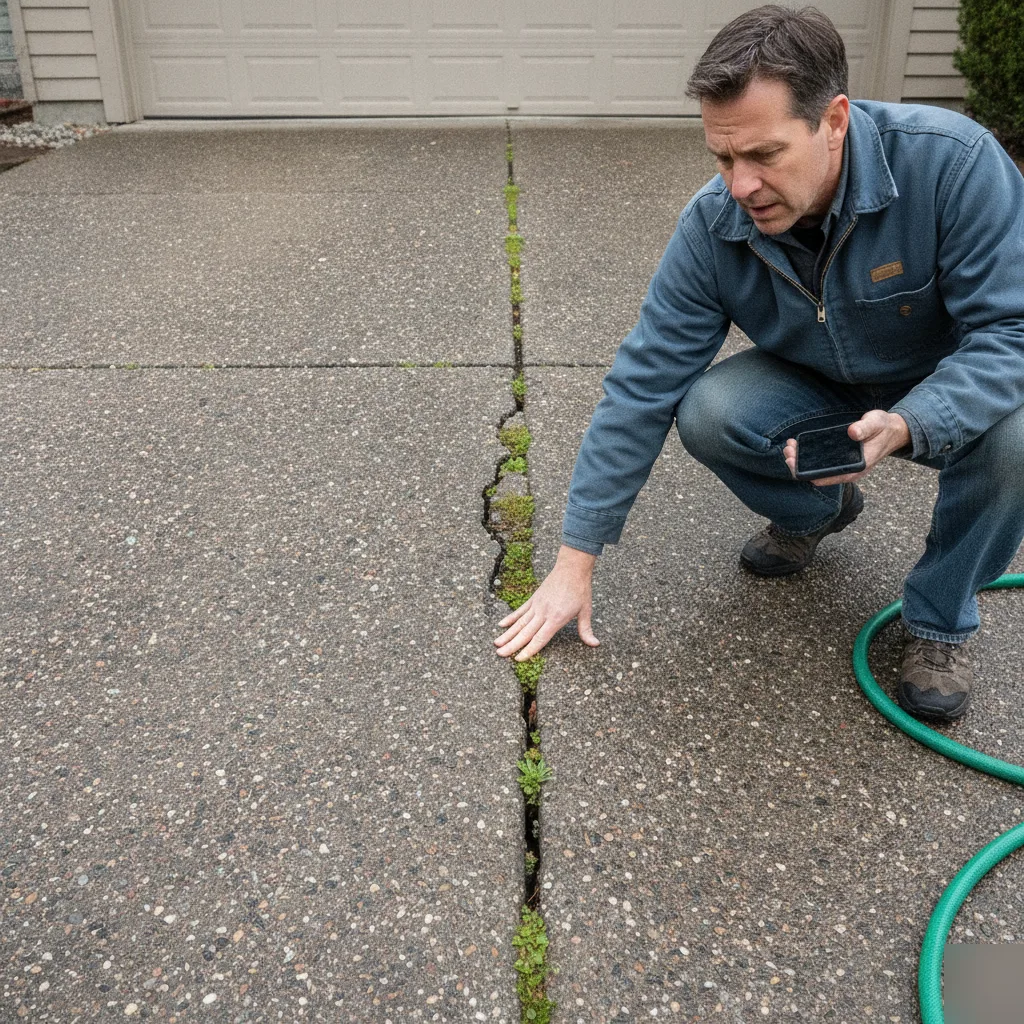
If you park a heavy RV or a big work truck on your driveway and it cracks the slab, that's on you. Home insurance won't cover it. Your auto insurance won't either, since the vehicle was on your own property. This falls right under normal wear and maintenance. Plain and simple.
And, this is one of the most common scenarios we see in Spokane Valley. Concrete driveways that were poured too thin. Or without proper reinforcement. They just can't handle heavy loads through repeated freeze-thaw cycles. The slab wasn't engineered for what’s sitting on it. We build our concrete to last, built once and built right.
If your driveway has cracking or sinking from vehicle weight, a professional concrete contractor can assess whether you need concrete crack repair or full driveway resurfacing. Sometimes a targeted fix handles it. Sometimes the base underneath has failed, and you need more work. We see this a lot with older driveways.
The bottom line is simple. If someone else broke it, their insurance pays. If you can't prove who did it, you're likely covering the bill yourself. Either way, the damage doesn't fix itself, it just gets worse every Spokane winter. If you're dealing with driveway damage right now and you're not sure where to start, reach out to Concrete Revival for a free estimate. We've spent 11 years helping Spokane Valley homeowners figure out the smartest path forward. We're your neighborhood's concrete resurfacing guy.
Frequently Asked Questions
How do I know if my driveway damage is covered by insurance?
You know it's covered if the damage came from a sudden event you couldn't control. Think fallen trees, fire, vandalism, or a car crashing into the slab. If the crack showed up slowly over months or years, it's probably not covered. A fast way to check is to ask yourself: did this happen in one day, or did I notice it getting worse over time? Sudden usually means covered. Slow usually means it's on you to fix.
Is it a mistake to file a claim for a small driveway crack?
Yes, filing a claim for a small crack is often a mistake. Many homeowners assume any damage should go through insurance. But small cracks are usually wear and tear, not a covered peril. Even if it's approved, your deductible may cost more than the repair itself. Filing can also raise your premium for years afterward. It's smarter to have small cracks checked and fixed early through our driveway repair services before they grow into bigger, costlier problems.
Does tree root damage to a driveway ever get covered by insurance?
No, tree root damage is treated like earth movement, so standard policies leave it out. Roots pushing up through concrete happen slowly, the same way soil settling does. Insurance adjusters see this as a maintenance issue rather than an accident. If you have trees near your driveway, especially older ones common around Spokane Valley yards, keep an eye on root growth each year so you can catch cracking early.
Can freeze-thaw damage in Spokane Valley ever be covered by insurance?
No, freeze-thaw damage is almost never covered, even here in Spokane Valley where our winters are hard on concrete. Insurance companies treat freeze-thaw cracking as gradual wear, not a sudden loss. Water gets into tiny cracks, freezes, expands, then thaws again all winter long. This happens dozens of times each season. That repeated cycle is exactly why so many local driveways crack, but it's also exactly why claims for it get denied.
Should I try to repair a cracked driveway myself, or call a professional?
Small hairline cracks can sometimes be sealed as a DIY project. But once you see heaving, chunks breaking off, or uneven slab sections, it's time to call a professional. Spokane Valley soil and freeze-thaw cycles make driveway problems worse fast if they're not fixed right the first time. A pro can also tell you if the damage is a simple crack repair or a sign of deeper settling underneath the slab.
What's the difference between a covered peril and normal wear and tear?
A covered peril is a sudden, one-time event like a storm, fire, or vandalism. Wear and tear is damage that builds up slowly, like freeze-thaw cracking or soil settling. Insurance only pays for the first kind. This difference is why so many Spokane Valley driveway claims get denied even when the damage looks serious. Knowing this before you call your adjuster can save you a frustrating conversation and help you plan for repairs the right way.
Ready to Experience the Concrete Revival Difference?
Complete Service Area Coverage
- Spokane and Spokane Valley
- Coeur d'Alene metro area
- Deer Park and Newport
- Liberty Lake and Otis Orchards
- Cheney and Medical Lake
- Post Falls and Rathdrum