
Cheap DIY Ideas to Fix a Crumbling Driveway in Spokane Valley
What Causes a Driveway to Start Crumbling
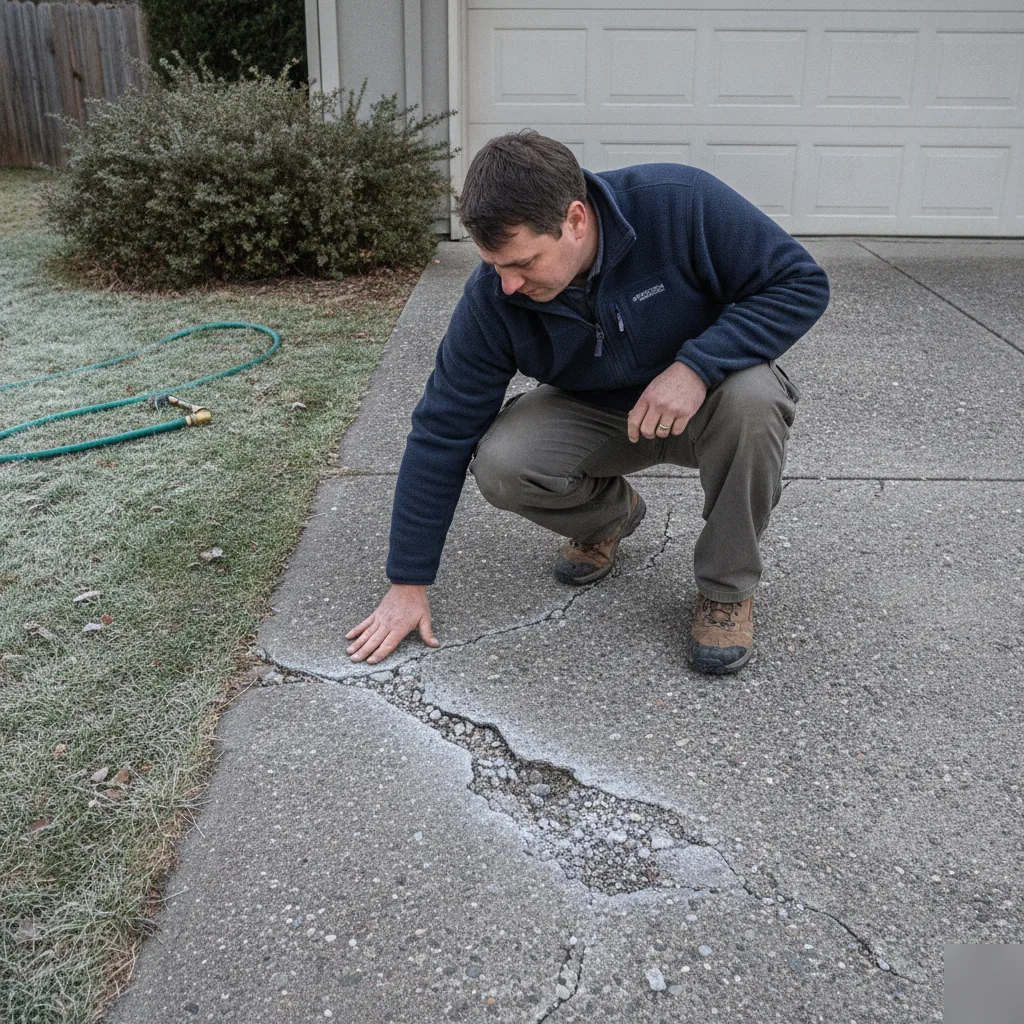
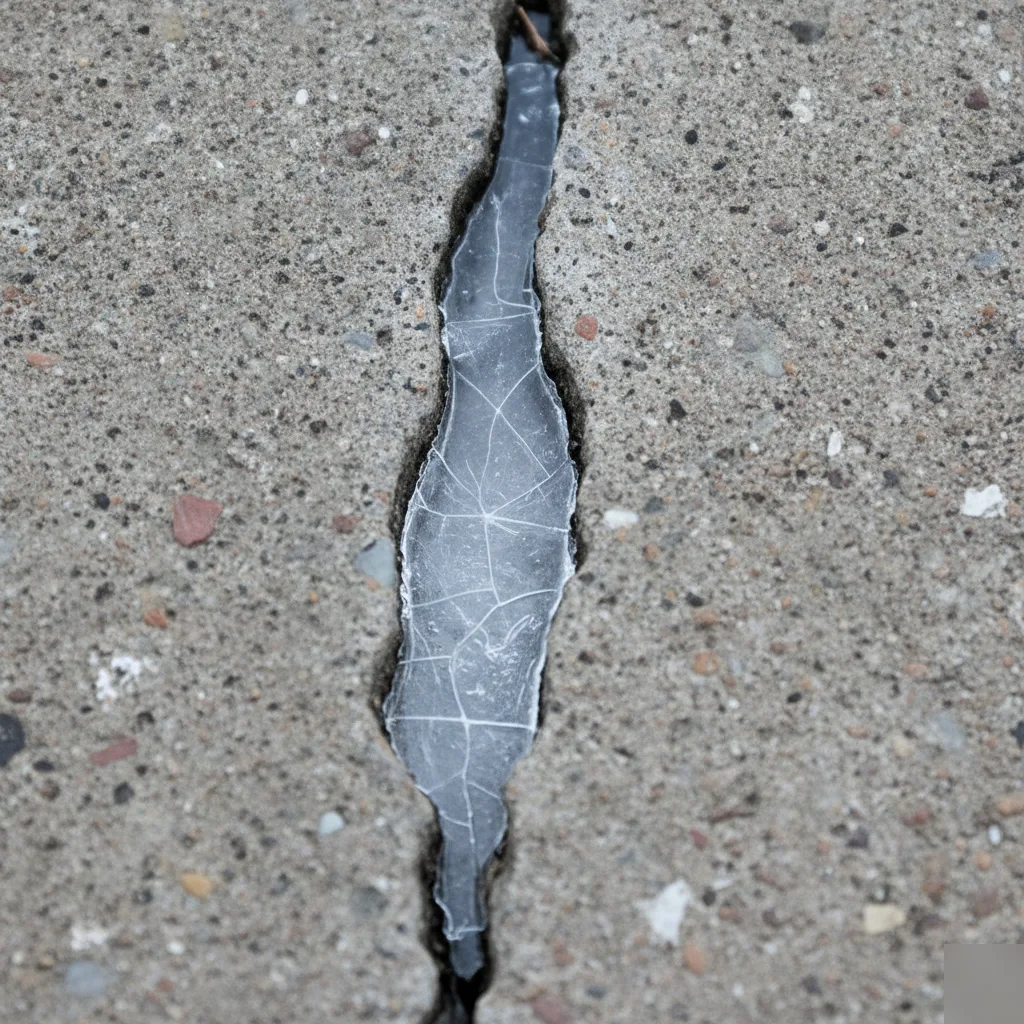
Water gets in, freezes, and just blows the concrete apart from the inside. That’s the real short version. Spokane Valley sees constant freeze-thaw cycles all winter-sometimes dozens of them between November and March here. That's a lot of abuse. Every time water soaks into a tiny crack and turns to ice, it expands. Your concrete can't handle that kind of pressure. So it flakes. It pits. Eventually, it crumbles. This is the biggest reason we get called out to look at driveways that looked perfectly fine a year or two before. But freeze-thaw damage doesn't happen on its own. It needs an entry point, and that's where most of the other problems start. Timely driveway repair stops the damage.
The Usual Suspects
- Poor drainage: Water sits on your slab instead of running off. This gives it more time to soak in. Flat driveways or low spots near the garage are the worst for this, especially after a heavy spring rain.
- Bad base prep: A driveway is only as good as the ground underneath. We see this all the time, particularly on older Spokane Valley places from the 1950s through the 2000s, built before proper gravel base standards became common. Without a solid, compacted base, the slab shifts. Cracks form fast.
- Sealcoat neglect: If you don't seal it, your concrete drinks water. Skip sealing for five or six years, and you’re basically inviting Spokane's brutal winters right in. It won't stay winter-proof without protection.
- TrDe-icing salts: Rock salt and other de-icers push the freezing point lower, creating even more freeze-thaw cycles right on the surface. That makes the damage happen faster, not slower.
- Heavy loads: A family car is one thing. Parking a big work truck or an RV on a driveway not engineered for that weight puts massive stress on a slab that’s already thin or aging.
Add two or three of these together, and your driveway is living on borrowed time.
Why Age Alone Isn't the Real Problem
Concrete can last 30 years or more. If it's built right. If it's maintained. So when we see a driveway crumbling at year 12 or 15, age isn't truly the cause. Something let water in early. Spokane's brutal freeze-thaw cycles did the rest, winter after winter. That’s why two driveways poured the same year on the same street can look completely different ten years later. One got sealed and cared for. The other didn’t. We see this difference play out constantly in neighborhoods across Spokane Valley. Here’s a scenario we run into a lot: a homeowner near the Sullivan Road corridor calls us because their driveway has a web of small cracks spreading out from one corner. Nine times out of ten, that corner sits closest to a downspout or a low point in the yard. Water just pools there. Then it finds hairline cracks, freezes. Over and over. By the time you see the mess on top, the damage underneath is already done. Concrete crack repair works when you catch it early. But once the base is compromised, patching the surface is just a band-aid. You need to know this before picking a fix.
Cheap DIY Fixes That Slow the Damage
Let's be honest. Most cheap DIY ideas to fix a crumbling driveway won't solve the problem for good. But some of them buy you some breathing room, especially if you catch the damage early. We've walked hundreds of driveways in Spokane Valley over our 20+ years, and the ones that held up longest were the ones where owners did small fixes before cracks turned into potholes. Here’s the thing about our Eastern Washington climate. Water gets into a hairline crack, freezes overnight, then expands. That happens over and over each winter. A small crack in October can turn into a chunk missing from your slab by March. So the goal with any DIY fix is simple: keep water out before Spokane’s freeze-thaw cycles start eating it alive.
Quick Fixes Worth Trying
- Crack filler for hairline cracks. Concrete caulk or a vinyl concrete patch can handle cracks under a quarter inch. Just make sure the crack is clean first-dust and all.
- Concrete sealing products. A good penetrating sealer helps block moisture from soaking into the surface. Put it on every couple of years. More often if your driveway faces harsh winter sun and salt.
- Patch compound for small chips. Bagged patch mix fills shallow spalling near edges. We see this a lot where cars constantly turn in tight, like in older Cheney neighborhoods, chipping the corners.
- Drainage fixes. Often, the crack isn't the root problem. It's water pooling next to it. Extend a downspout away from the slab. Regrade a low spot with some gravel.
None of that costs much, and a Saturday afternoon is usually enough time to knock it out. That's the appeal, homeowners in Hillyard and along the Sullivan Road corridor often try this first.
A Basic Crack-Filling Process
- Wire brush the crack. Get every bit of loose junk and old sealant out.
- Rinse with water, then let it dry completely. Damp spots kill the bond.
- Apply the crack filler or caulk. Push it in deep, don't just skim the surface.
- Smooth the surface with a putty knife. No dips for water to collect there.
- Let it cure. Follow the full time listed on the product, usually 24 hours at least.
- Seal the entire driveway after the patch has set. This locks moisture out around the repair.
Do this every fall before the first freeze hits, and you'll slow the damage down a lot. But here's what we tell everyone who asks: DIY patching treats the surface, not the cause. If your slab is cracking because of what’s happening underneath, base settling, poor drainage, old concrete that’s lost its strength, caulk won't fix that. We've seen it a lot. Homeowners filling the same crack, year after year. Every brutal Spokane winter, it just got wider. That’s your slab talking. It says the damage is deeper than a surface patch. DIY work has its place. It's smart for small stuff. But once cracks spread past a few inches, or you see chunks lifting instead of just cracking, that’s the point where a lasting driveway repair makes more sense than another tube of filler.
Asphalt vs. Concrete: Matching the Right Patch to Your Driveway
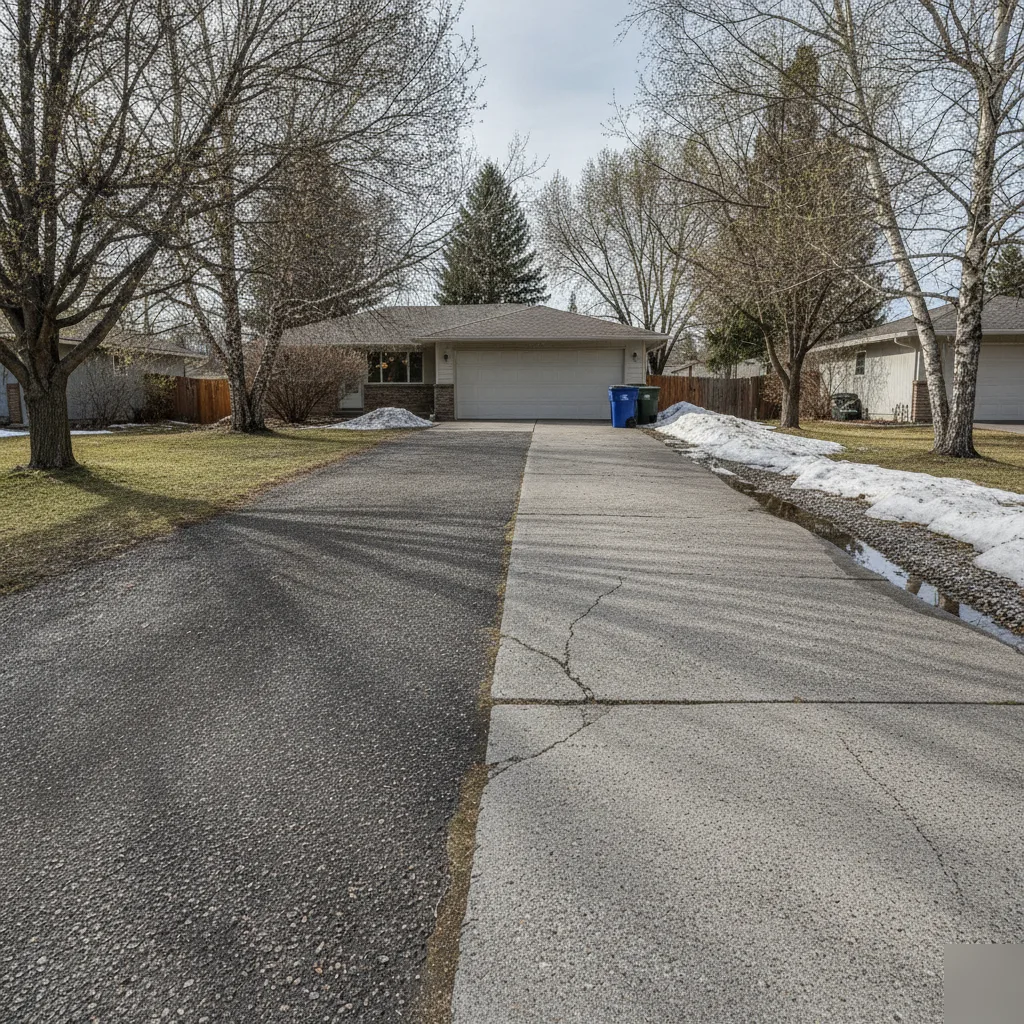
Grab the wrong patch material and you’re back at square one by spring. That's the thing most people don't realize at the hardware store checkout. Asphalt patch and concrete patch are not the same thing, even though they sit on the same shelf. Your driveway is made of one material or the other. The patch needs to match it. Mix them? You’ll get peeling. Or cracking. Or a patch that just won't bond. How to tell the difference? Concrete driveways are gray, hard, and usually poured in big slabs, often with visible control joints cut every few feet. Asphalt driveways are black or dark gray, they get soft in the summer sun, and they’re made of rock mixed with tar-like binder. If you’re not sure, scratch the surface with a key. Concrete stays gray underneath. Asphalt shows a darker, oilier look. We get calls from Spokane Valley folks who dumped asphalt cold patch on a concrete driveway, wondering why it looks like a black scar a month later. It never blends. It never lasts. So which one do you have, and what patch fits it?
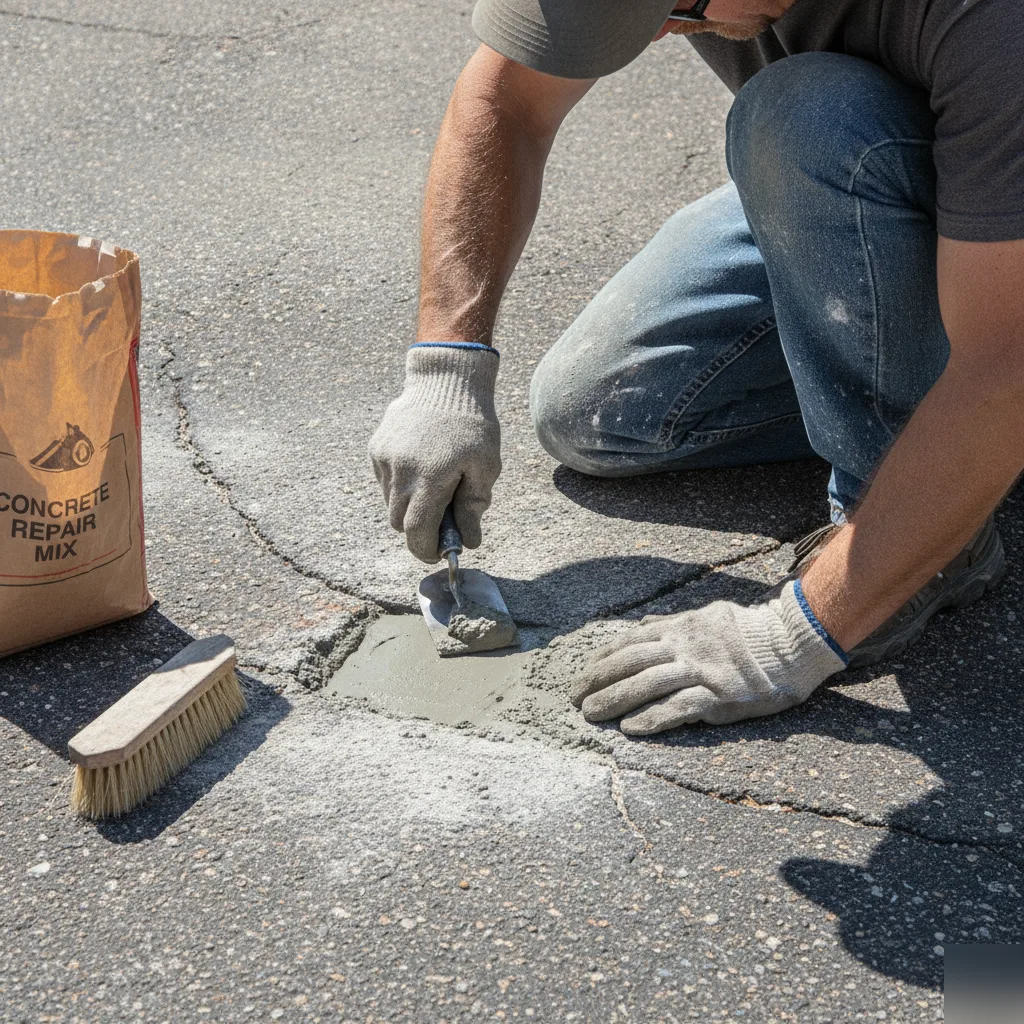
- Concrete driveway, small cracks or chips: Grab a concrete patch compound or vinyl concrete patcher. These bond to cured concrete. You can smooth them with a trowel.
- Concrete driveway, deeper spalling or crumbling edges: Use a concrete resurfacer. Or a repair mortar. It's thicker. It rebuilds lost material, doesn't just fill a crack.
- Asphalt driveway, cracks: Rubberized asphalt crack filler works. Use a pour spout. Or a caulk gun.
- Asphalt driveway, potholes or crumbling sections: Cold patch asphalt. Tamp it down in layers.

Frequently Asked Questions
How do I know if a crack needs a professional fix instead of a DIY patch?
You need a professional fix once a crack is wider than a quarter inch or you see chunks lifting instead of a clean split. Caulk and patch compound only seal the surface. If the ground underneath has shifted, the same crack will keep opening every winter no matter how often you fill it. A pro can check the base and drainage before more damage sets in. If your crack keeps coming back, it's time to look into professional concrete crack repair before another freeze-thaw season makes it worse.
Why do Spokane Valley driveways crumble faster than driveways in warmer climates?
Spokane Valley driveways crumble faster because of nonstop freeze-thaw cycles between November and March. Water soaks into tiny cracks, freezes overnight, and expands, pushing concrete apart from the inside. Warmer areas don't see this constant freeze-thaw pressure, so their concrete lasts longer with less care. Older homes built here in the 1950s through the 2000s often have thinner gravel bases too, which makes the freeze damage even worse. Sealing every couple of years matters more here than almost anywhere else.
Is it normal for a driveway to crack even if it's less than 15 years old?
Cracking before 15 years is not normal for a well-built, well-maintained driveway, but it happens often in Spokane Valley. Concrete can last 30 years or more when water is kept out and the base is solid. Early cracking usually means water got in through an unsealed surface, a drainage issue, or a weak gravel base from the start. Once you spot a pattern of cracks spreading from one corner, it's worth having someone check what's happening underneath the slab.
What's the biggest mistake homeowners make when patching a crumbling driveway?
The biggest mistake is treating the crack without fixing the water problem behind it. Most people fill a crack, feel good about it, and never check why water got in there in the first place. If a downspout drains onto the slab or a low spot collects rain, that water finds a new way in fast. Your patch fails within a season. Always fix drainage first, then seal the crack. Skipping this step is why the same spot keeps failing year after year.
Can de-icing salt really make a driveway crumble faster?
Yes, de-icing salt speeds up crumbling by lowering the freezing point right on your concrete surface. This creates extra freeze-thaw cycles in a single storm instead of just one. Each cycle pushes a little more moisture into cracks and pits, weakening the slab from the top down. If you use rock salt every winter, seal your driveway more often to slow this damage. Sand or gravel for traction is gentler on aging concrete than heavy salt use.
Does filling a crack every year mean the repair isn't working?
Yes, if you're filling the same crack year after year, the repair is only masking a deeper problem. A crack that keeps returning usually points to base settling, ongoing drainage trouble, or concrete that's already lost its strength. Surface caulk can't solve any of those. At that point, DIY patching becomes a cycle instead of a fix. Getting the base and drainage checked once can save you from redoing the same patch every single fall.
Ready to Experience the Concrete Revival Difference?
Complete Service Area Coverage
- Spokane and Spokane Valley
- Coeur d'Alene metro area
- Deer Park and Newport
- Liberty Lake and Otis Orchards
- Cheney and Medical Lake
- Post Falls and Rathdrum