Can You Still Seal a Driveway in the Fall, or Is It Too Late by October? A Spokane Valley Guide
Why "Is It Too Late" Is the Wrong Question to Ask
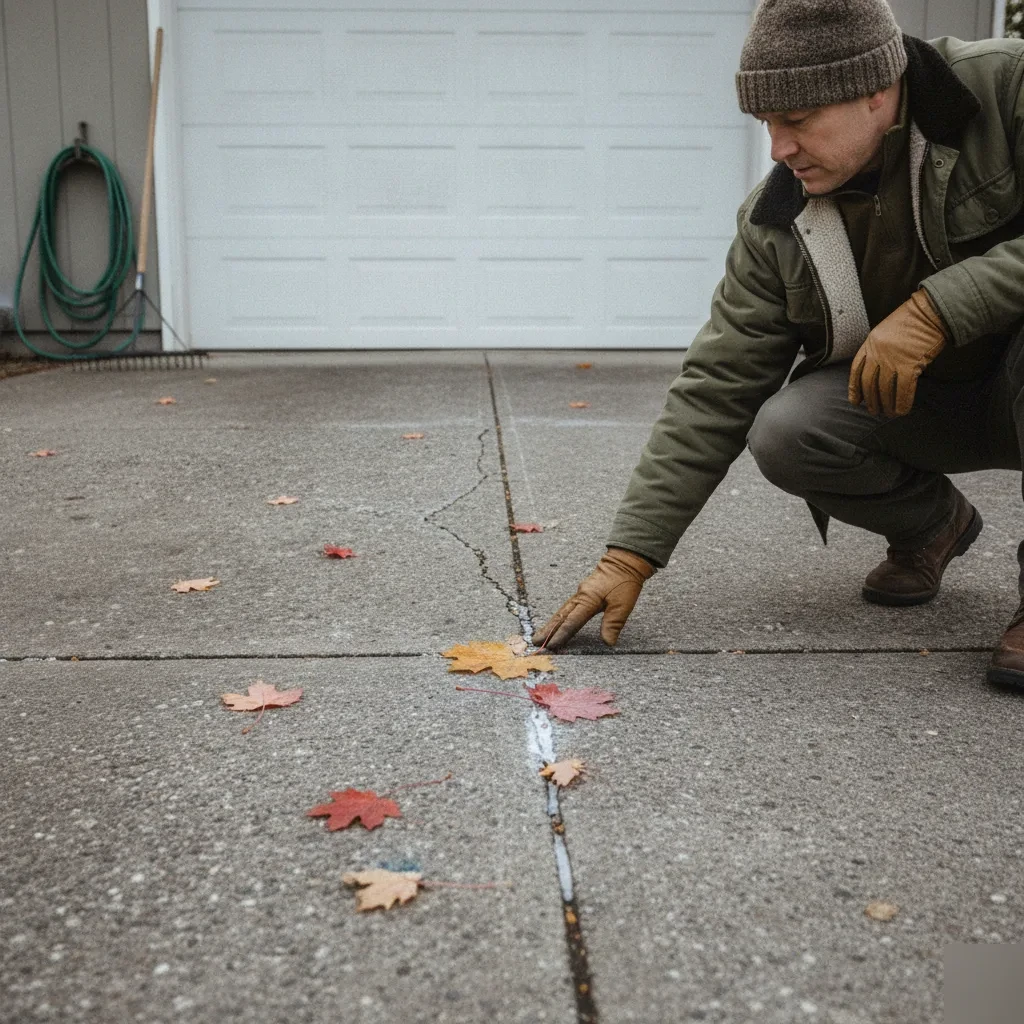
Can you still seal a driveway in the fall, or is it too late by October? The real answer has nothing to do with the calendar. What matters is ground temperature, air temperature, and how much moisture is sitting in the concrete. We've sealed driveways in Spokane Valley well past October when conditions lined up right, and we've turned down jobs in September when they didn't.
Homeowners ask us this every fall. October hits, the leaves come down, and suddenly everyone's in a panic thinking they missed their window. But October isn't a deadline. It's just a month. The actual deadline is set by temperature, not by what's on the calendar.
Here's the thing most people don't realize. Concrete sealer needs a minimum temperature to cure right, both in the air and in the slab itself. Most sealers need somewhere around 50 degrees Fahrenheit and rising for a solid stretch of hours, sometimes days, to bond properly. Spokane Valley can hit 55 degrees during the day in late October and still drop into the 30s at night. That swing is the real problem, not the month itself.
So what should you be asking? Try these instead of "is it too late":
- What's the daytime and nighttime temperature forecast for the next 48 to 72 hours?
- Has the driveway had a few dry days with no rain or heavy dew?
- Is there frost forecasted anytime soon?
- How much sun does the driveway get, and will it warm up enough during the day?
- Is the concrete itself dry all the way through, not just on the surface?
We've seen this crack pattern a hundred times: a driveway sealed too late in a cold snap, sealer that never bonded right, and by spring it's peeling in sheets. That's not a fall problem. That's a temperature problem that happened to occur in fall.
A driveway on the Sullivan Road corridor with full sun exposure can still be a great candidate in late October. A shaded driveway on the North Side that stays damp under trees might already be done by mid-September. Same month, two completely different answers.
Most homeowners wait too long because they're watching the wrong signal, the calendar, instead of the one that actually matters, the thermometer.
That's really the whole point here. Stop asking if a month is too late. Start asking if the conditions are right.
How Sealcoat Cures in Cool Weather
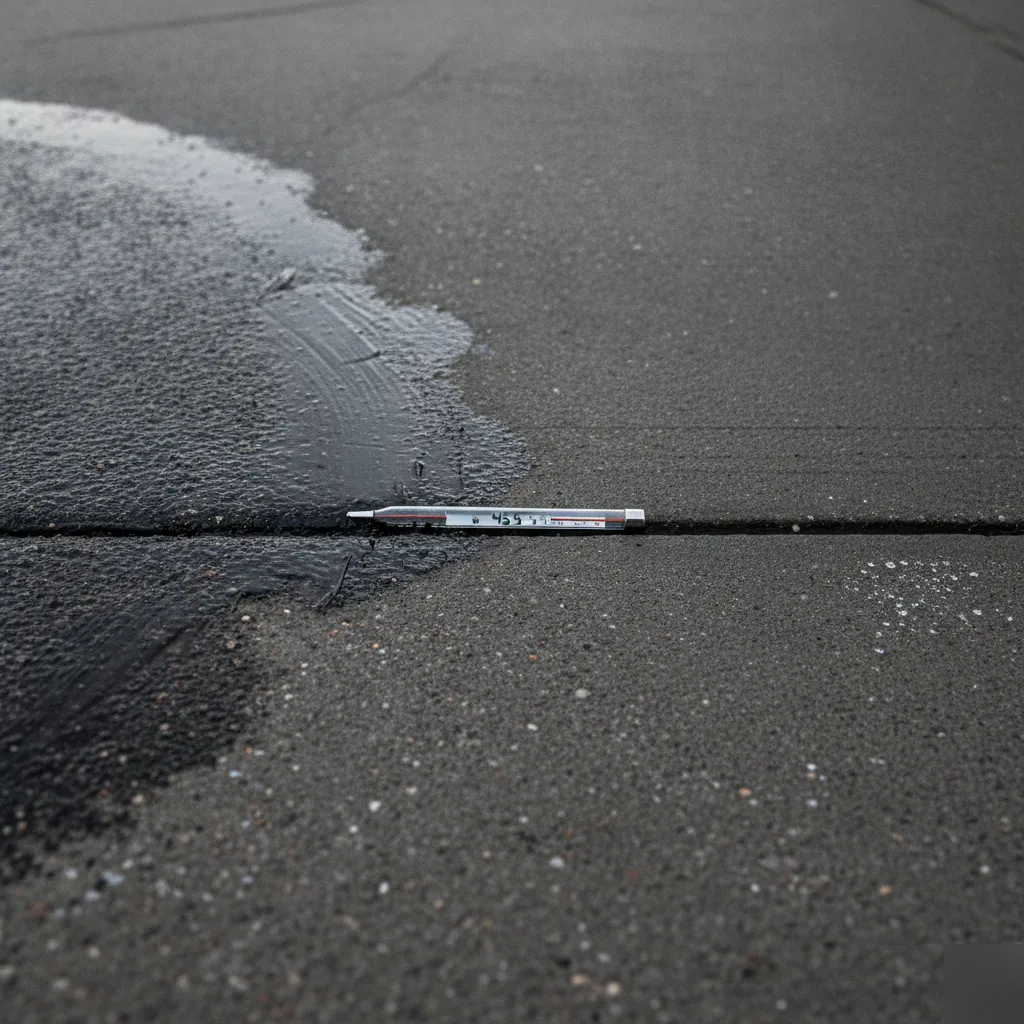
Sealcoat isn't paint. It doesn't just sit on the surface and dry. It's an emulsion that needs to lose water content and bond into the concrete as it cures, and that process depends almost entirely on heat. Warm air pulls moisture out of the sealer. Cold air traps it in.
We've watched this play out a hundred times on Spokane Valley driveways. A homeowner seals on a nice 60 degree afternoon, feels good about it, then a cold front rolls through that night. Temps drop into the 30s. The sealer never finishes curing right. Come spring, you get flaking, dull patches, or sealer that never fully bonded to the concrete underneath.
Most sealcoat products need air and surface temps above 50 degrees for at least 24 to 48 hours after application. Some manufacturers push that window to 72 hours if humidity is high, SOURCE TBD. Spokane Valley falls are tricky because daytime highs can look great, but our nighttime lows drop fast once October hits. You might get a sunny 58 degree day and a 34 degree night on the same date.
So what happens if the sealer doesn't cure right? A few things, and none of them are good.
- The sealer stays soft or tacky longer than it should, picking up dirt and tire marks
- Moisture gets trapped underneath, which can cause bubbling or peeling once temps warm back up
- The bond to the concrete weakens, so the coating wears off faster than it's supposed to
- Freeze-thaw cycles start working on uncured sealer almost immediately, breaking it down before it ever had a chance
That last one matters most here. Spokane Valley doesn't do one hard freeze and call it winter. We get dozens of freeze-thaw cycles between October and March. Uncured sealer has zero defense against that kind of repeated stress. It's like asking wet concrete to hold weight before it's set, it just can't do its job yet.
And here's something a lot of homeowners don't realize: cooler temps don't just slow curing, they change how the sealer levels out. Cold sealer is thicker and harder to spread evenly. That's why DIY jobs done too late in the season often look streaky or uneven, even if the person did everything else right.
We've seen this exact failure pattern more times than we can count.
This is why timing your driveway sealing isn't about luck, it's about reading the forecast like a pro would. A short warm stretch with mild nights can absolutely work for sealcoating, even in October. But guessing wrong costs you a full redo next spring, and that's a bigger headache than just waiting a few extra days for the right weather window.
Should You Seal This Fall or Wait Until Spring
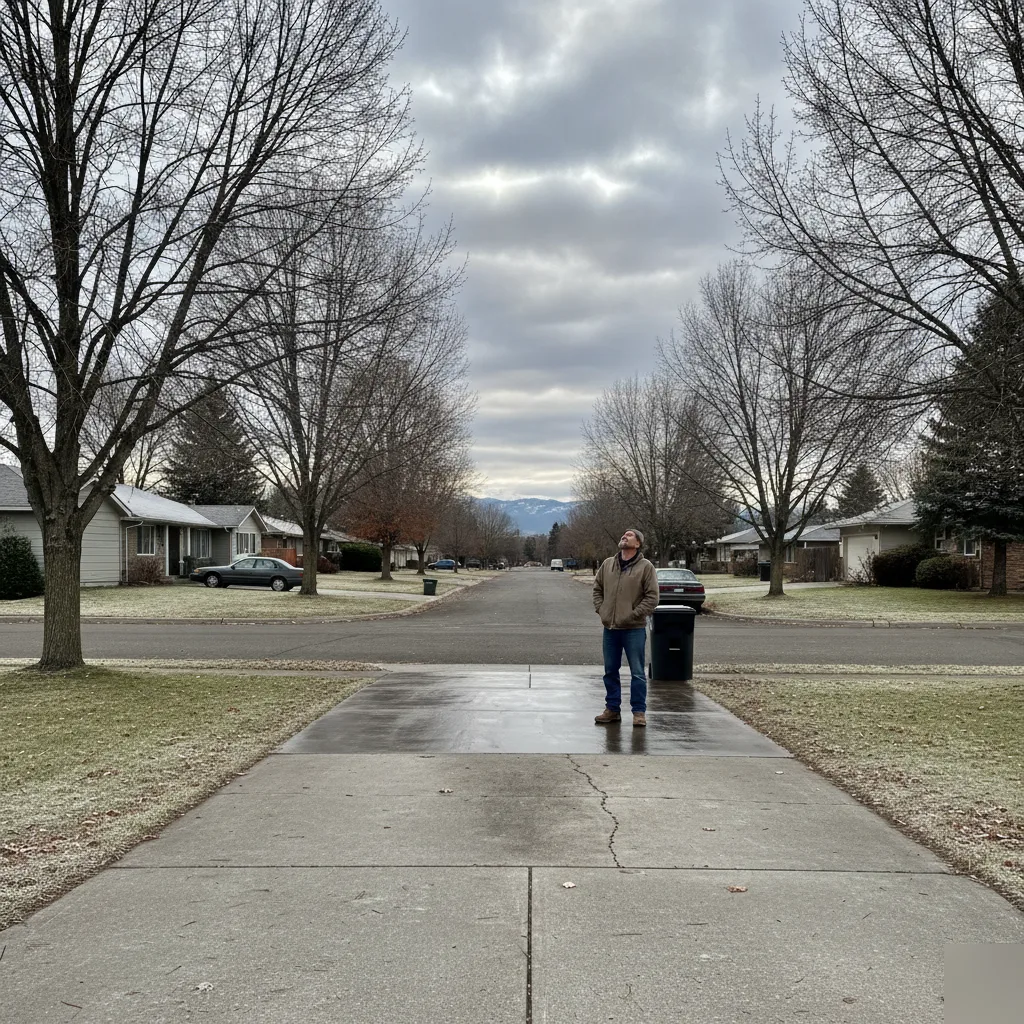
Here's the honest answer: it depends on your driveway, not the calendar. We've sealed driveways in early October that held up fine through winter. We've also told customers to wait until April because their slab wasn't ready. So how do you know which camp you're in?
Start by looking at your concrete's age and condition. New concrete needs 28 to 30 days to cure before sealer goes on, no exceptions. If you poured in September, you might already be too close to the cold snap. Older driveways with hairline cracks or dry, chalky patches are usually good candidates for fall sealing, as long as we can get the temperature window right.
- Check the forecast for a 5-day stretch above 45 degrees, both day and night.
- Confirm your driveway has no standing moisture from recent rain.
- Look at the concrete's age. Wait if it's under 30 days old.
- Inspect for existing cracks. Fall sealing is smart if you catch them before winter.
- Call us for a free estimate if you're unsure. We'll tell you straight.
That five-step check works for most Spokane Valley homes, but Sullivan Road corridor properties and North Side lots with more shade tend to hold moisture longer. Shaded driveways dry slower after rain, so the sealer might not bond right. And a driveway near a downspout or sprinkler zone needs extra drying time before we can even start.
We've had customers call us in late October panicking because they waited too long. Most of the time, we can still work with them if the weather cooperates. But once nighttime temps drop into the 30s consistently, we call it. No sealer, no matter what the label says, cures right in a freeze.
If your driveway missed the fall window, don't stress. Spring sealing works just as well, sometimes better, since you're not racing the calendar. What matters more than the season is getting the surface prepped and the timing right. That's the whole point of talking to a concrete contractor Spokane homeowners trust before you decide anything.
We've been doing this for 11 years across Spokane Valley, and we'd rather tell you to wait than watch your sealer fail by January.
Frequently Asked Questions
Is October too late to seal a driveway in Spokane Valley?
No, October is not automatically too late to seal your driveway. What matters is temperature, not the date on the calendar. If you get a stretch of days above 45 degrees, both day and night, with no rain or heavy dew, your driveway can still be a good candidate. The mistake most homeowners make is panicking about the month instead of checking the forecast. Watch the thermometer, not the calendar, and you will make a better call on timing.
Why does sealer crack or peel after it's applied in the fall?
Sealer usually cracks or peels because it didn't fully cure before cold weather hit. Sealer needs steady warmth, often 24 to 48 hours above 50 degrees, to bond into the concrete. When a cold snap moves in too soon, moisture gets trapped underneath the coating. That trapped moisture causes bubbling, flaking, or peeling once spring temperatures return. This isn't really a fall problem. It's a temperature problem that happened to land in October.
Should I get a professional to check if my driveway is ready for fall sealing?
A professional check makes sense if you're unsure about ground temperature, moisture levels, or how much sun your driveway gets. These details are hard to judge just by looking outside. Freeze-thaw cycles in Spokane Valley can break down sealer fast if it goes on under the wrong conditions. Our driveway sealing services page walks through what a proper condition assessment looks like, so you can avoid a costly redo next spring.
How do I know if the weather is right for sealing my driveway this fall?
You know the weather is right when you have several days in a row with temperatures staying above 45 to 50 degrees, day and night. Check a 5-day forecast before you commit. Look for dry conditions too, since a driveway with standing moisture or recent rain won't bond well with sealer. Nighttime dips into the 30s are the real danger in Spokane Valley falls, even when the afternoons feel warm and sunny.
Does where my driveway sits in Spokane Valley change when I should seal it?
Yes, sun exposure makes a real difference. A driveway along the Sullivan Road corridor with full sun can still warm up enough for sealing well into late October. A shaded driveway on the North Side that stays damp under trees may already be past its window by mid-September. Same month, different answer, because the sun exposure changes how fast the concrete dries and warms. Check your own driveway's sun pattern before assuming the calendar tells you anything useful.
Does where my driveway sits in Spokane Valley change when I should seal it?
Yes, sun exposure makes a real difference. A driveway along the Sullivan Road corridor with full sun can still warm up enough for sealing well into late October. A shaded driveway on the North Side that stays damp under trees may already be past its window by mid-September. Same month, different answer, because the sun exposure changes how fast the concrete dries and warms. Check your own driveway's sun pattern before assuming the calendar tells you anything useful.
Ready to Experience the Concrete Revival Difference?
Complete Service Area Coverage
- Spokane and Spokane Valley
- Coeur d'Alene metro area
- Deer Park and Newport
- Liberty Lake and Otis Orchards
- Cheney and Medical Lake
- Post Falls and Rathdrum