

Can epoxy be applied to garage floors during Spokane winters?
Cold kills epoxy. It doesn't fail, not like that. Instead, it just quietly kills the bond between the coating and your concrete floor, something you won't even spot until spring when the whole thing starts peeling up in big sheets.
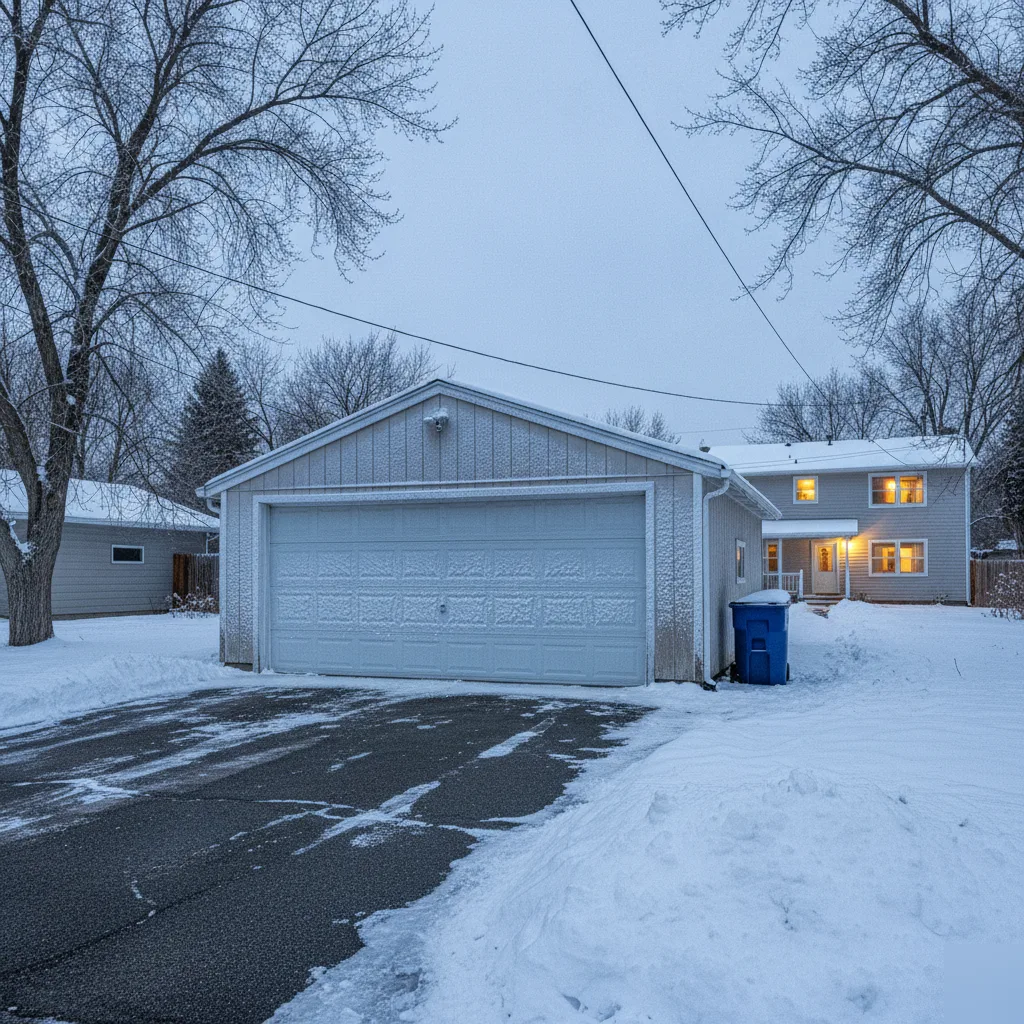
Here's what folks often miss. Epoxy isn't just paint. It’s a chemical reaction, two parts mixing, making heat as they cure. This curing needs a set temperature range to go right. Go below 50°F on that concrete surface, and the reaction just crawls. The epoxy gets sluggish. It won't level itself out. It never hardens right.
What Happens When Concrete Gets Too Cold
You can get epoxy garage floor during Spokane winters. But the concrete surface temperature matters more than the outside air. We see this blunder a lot. Someone checks their phone, sees 45°F, figures it's fine. Not so. That garage slab is probably sitting at 38°F because concrete hangs onto cold longer than air ever will.
When epoxy hits a cold slab, three problems hit:
The Portland Cement Association states that concrete surface temperature needs to be at least 55°F for most epoxy floor coating systems to set. That's not a guideline. It’s a rule.
Spokane Valley's Winter Temperature Swings
Spokane Valley winters aren't just cold. They swing wildly. January can bring a 50°F day, then a 15°F night. That freeze-thaw cycle wrecks uncured epoxy. If the coating isn't solid before temps drop, moisture in the concrete freezes. It pushes the epoxy right off.
We've handled epoxy garage floor installation in Spokane for 11 years now. And here's the big takeaway: timing beats skill in winter. A flawless job on a cold slab? It fails. A solid job on a warm slab? It lasts for years. We see this firsthand, projects holding strong through brutal Spokane winters.
How do you tell if the slab is warm enough? You grab an infrared thermometer, point it at the concrete in a few spots. Check the corners especially, those always shed heat fastest. If any reading is under 55°F, you're not ready. Simple.
Why Air Temperature Alone Is Misleading
Most homeowners check the garage thermostat, think they're set. But a concrete slab is a big heat sponge. It takes 48 to 72 hours for that floor to soak up enough heat to match the air around it. Running a space heater for a couple of hours? Not going to work.
Think about it. Your garage near the Sullivan Road corridor might feel toasty by lunchtime, but that four-inch slab has been pulling in cold all week. It stays cold. The surface could still read 42°F, even if the air hits 55°F.
The bottom line: measure the floor, not the air. That one step stops most winter epoxy failures we see. If you're considering an epoxy floor coating for your garage this winter, visit our epoxy floor coating page for a free estimate. We'll show you how we handle cold-weather applications right.
What Spokane Valley Winters Actually Do to a Garage Floor
Folks usually ignore their garage floor until it's a mess. But in Spokane Valley, winter gets right to work the moment temperatures dip below freezing. And they dip hard. We regularly see single-digit nights along the Sullivan Road corridor and out toward Greenacres (that area really gets hammered). That cold doesn't just sit on top. It sinks deep into the slab.
So, here's the real story. Water creeps into small pores and hairline cracks in your concrete. Then it freezes solid. Water expands about 9 percent when it freezes, says the U.S. Geological Survey. That creates big pressure inside the concrete. The ice melts by day, water goes deeper, then it freezes again that night. That's our freeze-thaw cycle. Spokane Valley sees dozens of these every brutal winter.
Over time, that constant pressure causes serious damage:
It's not just cold. Your tires bring in road salt, sand, snowmelt, every time you park. That water pools on the floor. Salt is nasty stuff. It eats unsealed concrete. We've seen garages along Sprague Avenue where the floor looked like it was hammered. No human did that. Winter just chewed it up.
The Hidden Problem: Moisture Vapor
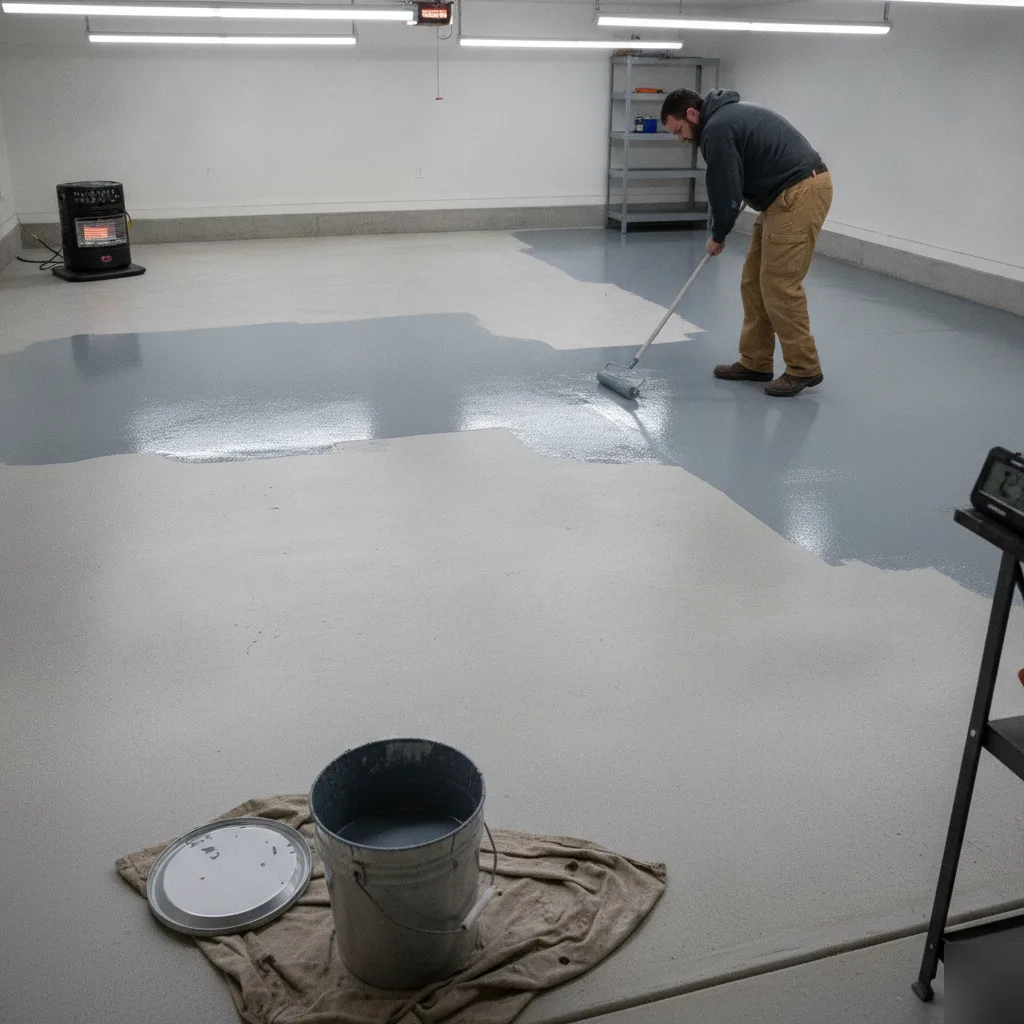
Here’s what most folks miss completely. Concrete breathes. It’s porous. Even a garage floor that looks solid and dry can have moisture vapor pushing up from the ground. In Spokane Valley, with our water table and soil, this happens a lot. You might not see it. But it's there.
Why does this matter for epoxy floor coating? Simple. Moisture vapor is why epoxy fails, hands down. It gets stuck between the coating and the concrete. Then it shoves the epoxy right off. You’ll spot bubbling, peeling, or white spots under the finish. That’s a bad bond, it means the floor wasn’t tested or prepped right.
We test every garage floor for moisture, always before we start an epoxy floor coating project. A calcium chloride test tells us what’s really going on below. If moisture is too high, we fix that first. Skipping this step is the single biggest screw-up we see from DIYers and new installers.
Winter epoxy work on a Spokane garage floor can be done. But you need to know what winter already did to that concrete. And what's still happening underneath. That freeze-thaw damage? It needs repairs first. Moisture needs testing. The surface needs solid prep. Skip these steps, and you're putting epoxy on a floor that will just kick it off before spring.
If your garage floor shows spalling or cracking, start with our epoxy floor coating page for a free estimate. See how we handle winter installations, the right way.
Attached vs. Detached Garages: The Difference That Changes Everything
People often don't get this until it's a problem. Your garage type completely changes the game for winter epoxy floor coating. An attached garage in Spokane Valley acts totally different from a detached one when temps hit freezing. We've seen this play out over 11 years of epoxy installation.
Here’s the main difference. An attached garage shares a wall with your warm house. That wall works like a big radiator. It keeps the garage slab warmer than the air outside. Even on a 20-degree night, an attached garage floor might stay around 45 to 50 degrees. That's a good temperature for epoxy.
A detached garage? Different story entirely.
Detached buildings bleed heat from all sides. The concrete slab gets cold. It stays cold, a long time. No connection to your home's heat means that floor temperature can hit the low 30s, or worse. Cold concrete doesn't just slow epoxy down. It can stop it cold.
Why Slab Temperature Matters More Than Air Temperature
You might look at the weather, see 50 degrees outside. But your garage floor has another tale to tell. Concrete holds cold like a battery. The Portland Cement Association says slabs can stay 10 to 15 degrees colder than the air for a long time. So a sunny afternoon doesn't mean your floor is ready for epoxy floor coating.
We always check slab temperature with an infrared thermometer. We do this before any winter job. If the concrete reads below 50 degrees, we don't start. It's that simple. Rushing it causes peeling, bubbling. That floor fails in months.
What This Means for Your Winter Project
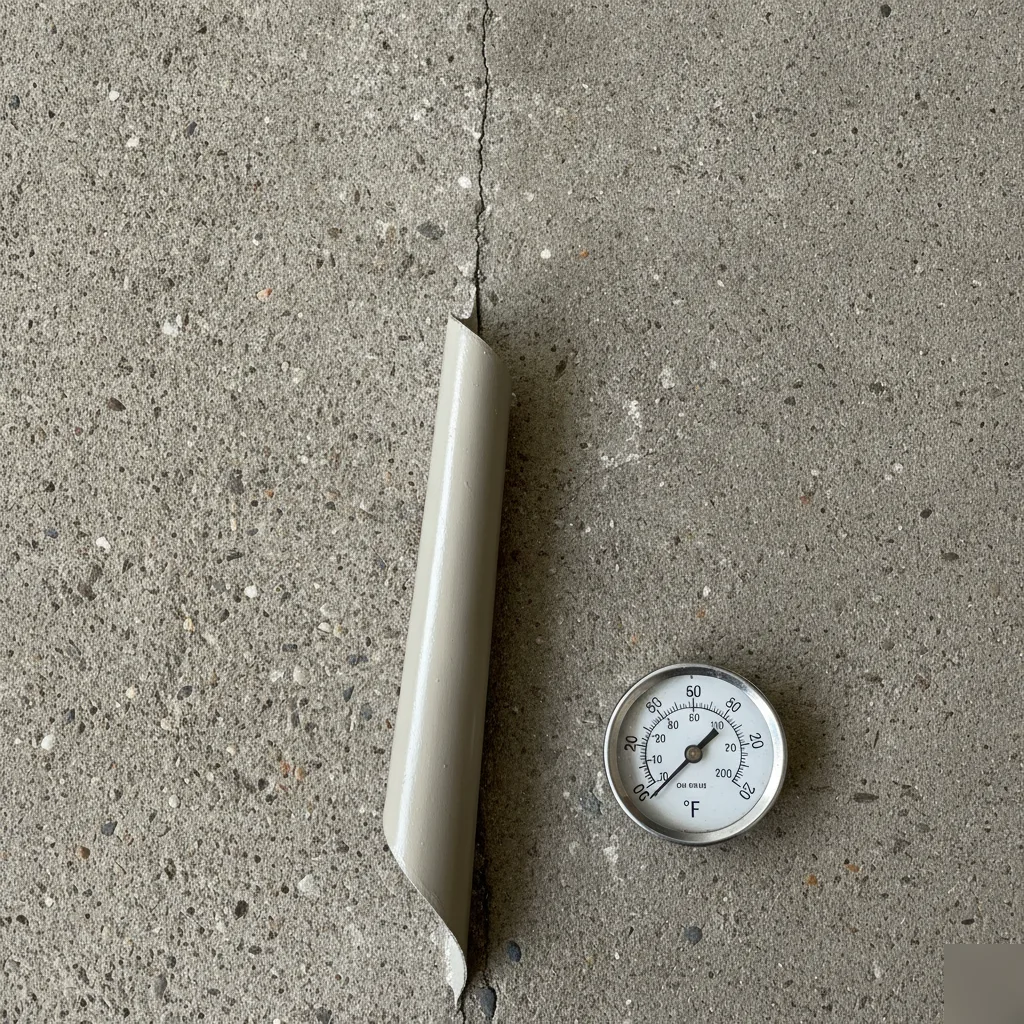
Got an attached garage along the Sullivan Road corridor or elsewhere in Spokane Valley? Winter epoxy work is very much doable with good prep. Here’s what we do to make it happen:
For detached garages, you'll need more planning. You'll probably need portable heaters running for several days, before and after the epoxy goes down. That slab needs serious time to take in the warmth. And you must keep the temperature steady through the whole cure window, not just for a few hours, that’s how you build it once, build it right.
We've handled winter epoxy garage floor installations in detached shops all over Spokane Valley. They work out great, when the prep is spot-on. But skip the heating, and you're just wasting cash on a floor. It won't survive even one freeze-thaw cycle.
Here’s a scenario we see often. A homeowner with a detached two-car garage wants epoxy before spring hits. We set up heaters three days early. We check the slab with thermometers. We keep things steady through the 72-hour cure. The result? A floor that’s laughed off multiple Spokane winters. Not one chip.
So, can you get epoxy floor coating in a detached garage during winter? Yes, you can. But it takes more effort than an attached one. Not sure what your garage needs? Check out our epoxy floor coating page for a free estimate. We lay out how we handle winter installs.
Frequently Asked Questions
What is the minimum concrete surface temperature for epoxy to work in a Spokane Valley garage?
Your concrete surface needs to be at least 55°F before epoxy can be applied safely. The Portland Cement Association sets this as a hard rule, not a suggestion. In Spokane Valley, that slab can sit at 38°F even when your garage air feels warmer. Always use an infrared thermometer to check the floor itself — especially the corners, which lose heat fastest. Air temperature alone will mislead you every time.
Can you just run a space heater in your garage to warm the slab for epoxy?
No — a space heater running for a few hours will not warm your concrete slab enough. Concrete takes 48 to 72 hours to absorb enough heat to match the surrounding air temperature. Your garage near the Sullivan Road corridor might feel warm by noon, but that four-inch slab could still read 42°F. You have to measure the floor with an infrared thermometer, not the air. Heating the space helps, but it takes days — not hours — to matter.
How do you know if winter already damaged your concrete before applying epoxy?
Look for spalling, pitting, growing cracks, or white salt deposits on the surface. These are all signs that freeze-thaw cycles have already done damage. Spokane Valley winters — especially out toward Greenacres — are hard on concrete slabs. Epoxy applied over damaged concrete won't bond correctly and will fail fast. Any cracks or spalling need repairs before coating work begins. Our epoxy floor coating page walks through how we assess and prep floors before any winter installation.
Why does Spokane Valley's freeze-thaw cycle make winter epoxy application so risky?
Spokane Valley winters swing hard — a 50°F afternoon can drop to 15°F overnight. If epoxy hasn't fully cured before that temperature drop hits, moisture inside the concrete freezes and expands. That pushes the coating right off the slab. We see this happen every year. Timing your application during a stable warm stretch matters more than almost anything else. A few warm days in a row give the epoxy the cure window it needs.
What is moisture vapor, and why does it cause epoxy to fail on Spokane Valley garage floors?
Moisture vapor is water pushing up through your concrete from the ground below — and you often can't see it. In Spokane Valley, the soil and water table make this very common. When epoxy is applied over a floor with high moisture vapor, the moisture gets trapped underneath and shoves the coating off. You end up with bubbling, peeling, or white spots. A calcium chloride test before any coating work tells you exactly what's happening below the surface.
Is it ever a good idea to apply garage floor epoxy yourself during a Spokane winter?
DIY epoxy in winter is high-risk in Spokane Valley. The most common mistakes are skipping moisture testing, misjudging slab temperature, and not allowing enough cure time before a cold snap hits. One bad night can ruin a full application. A professional will test the slab, monitor conditions, and know when to pause the job. If your floor already shows freeze-thaw damage, that needs to be addressed first — something most DIY kits are not built to handle.
Ready to Experience the Concrete Revival Difference?
Complete Service Area Coverage
- Spokane and Spokane Valley
- Coeur d'Alene metro area
- Deer Park and Newport
- Liberty Lake and Otis Orchards
- Cheney and Medical Lake
- Post Falls and Rathdrum