
Average Driveway Replacement Cost in 2026: What Homeowners in Spokane Valley Should Expect to Pay
Most Driveways in Spokane Valley Cost Between These Ranges in 2026
Here's what we tell every homeowner who calls us. Your driveway replacement cost depends on three big things: the material you pick, how large your driveway is, and what's already underneath it. That's it. Everything else is a detail inside one of those three buckets.
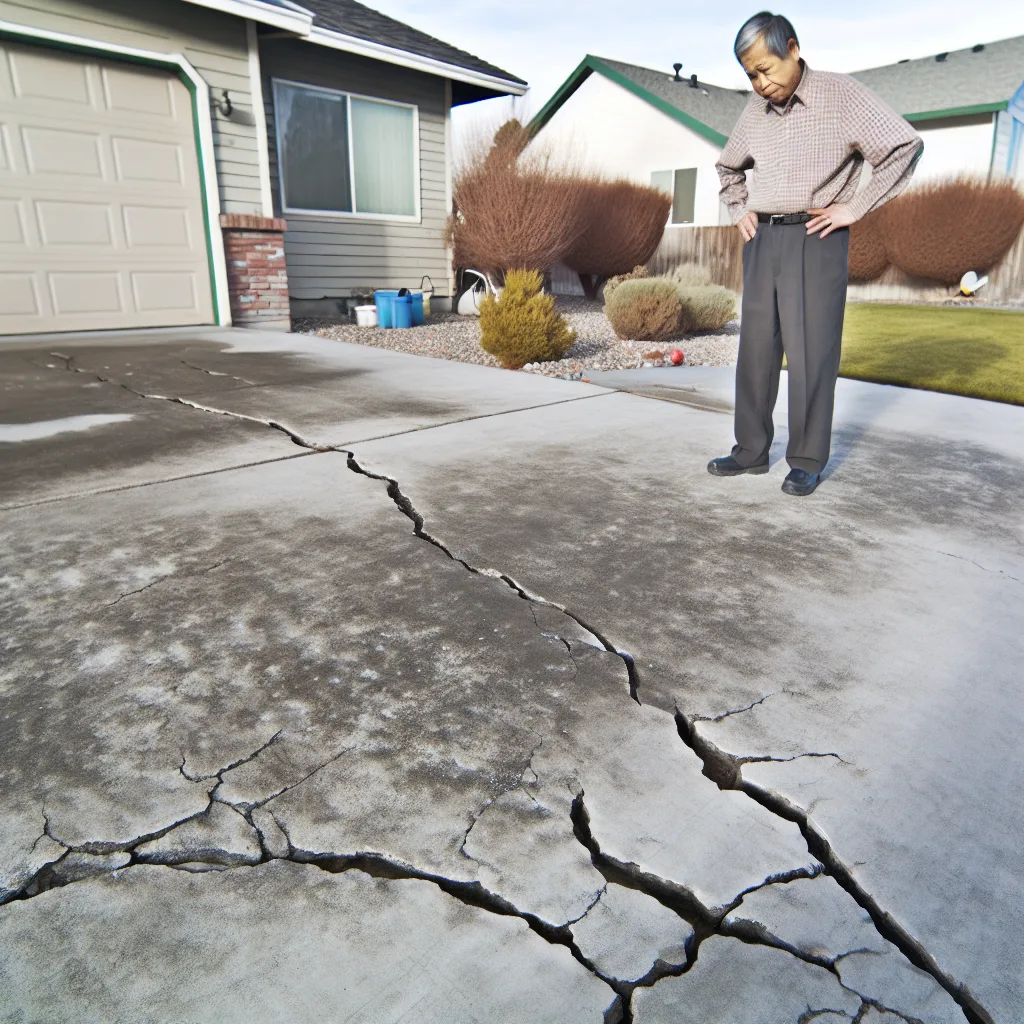
The national average for a full driveway replacement falls between four thousand and eight thousand dollars for a standard two-car concrete driveway, according to HomeAdvisor's 2024 cost data. But national averages don't pay your bill. Local labor rates, material hauling distances, and ground conditions shift those numbers in every direction.
Spokane Valley sits in a unique spot. We've got freeze-thaw cycles that punish cheap installs. We've got rocky subgrade in neighborhoods near Dishman and Greenacres that can add excavation time. And we've got a growing demand for contractors that keeps schedules tight through the warmer months. All of that matters when you're budgeting.
So what should you actually expect?
A basic concrete driveway replacement for a typical Spokane Valley home runs higher than the national floor. Most homeowners here end up somewhere in the mid-range because our soil conditions usually require proper base preparation. Skipping that step leads to cracking within a few winters — and the need for concrete driveway repair down the road. We see this mistake all the time with DIY pours and budget contractors who cut corners on the gravel base.
Asphalt tends to cost less upfront than concrete. But it needs resealing every few years, especially with our temperature swings. Gravel is the most affordable option, though it demands regular maintenance and isn't ideal for every property layout. Pavers sit at the higher end and bring a different look that some neighborhoods near the Sullivan Road corridor really favor.
The size of your driveway changes everything. A single-car-width driveway that's thirty feet long is a completely different project than a wide double-car setup with a turnaround. Most people underestimate their square footage until we measure it. A homeowner near Sprague Avenue recently thought their driveway was around 400 square feet. It was closer to 650. That difference alone shifted their project into a higher range.
And don't forget demolition. Ripping out an old driveway isn't free. If you've got thick, reinforced concrete from a previous pour, removal costs more than pulling up cracked. Hauling away debris adds to the total too, especially if the nearest disposal site is across town.
One thing that catches people off guard is the cost of permits. Spokane Valley may require permits depending on the scope of your project and whether drainage changes are involved. It's not a huge expense, but it's real. Ignoring it can lead to fines or problems when you sell your home later.
Here's a quick way to think about your budget. Start with the material you want. Then multiply your driveway's square footage by that material's per-square-foot cost range. Add removal of the old surface. Add base preparation. That gives you a realistic ballpark before you ever talk to a contractor.
But the smartest move? Get a real estimate based on your actual property. Every driveway in Spokane Valley has its own quirks. Slope, drainage, proximity to the street, tree roots underneath the slab. These details make generic cost calculators almost useless for your specific situation. If you're ready to get a clear picture of what your project would involve, our driveway replacement page walks you through the full process and makes it easy to request a personalized estimate.
Most homeowners feel relieved once they see real numbers instead of guessing. That clarity is worth the phone call.
Several Factors Push Driveway Replacement Costs Higher or Lower
Most people assume the material is what drives the final number. It matters, sure. But we see homeowners get surprised by factors they never thought about. The stuff beneath the surface and around the edges can shift your total by thousands.
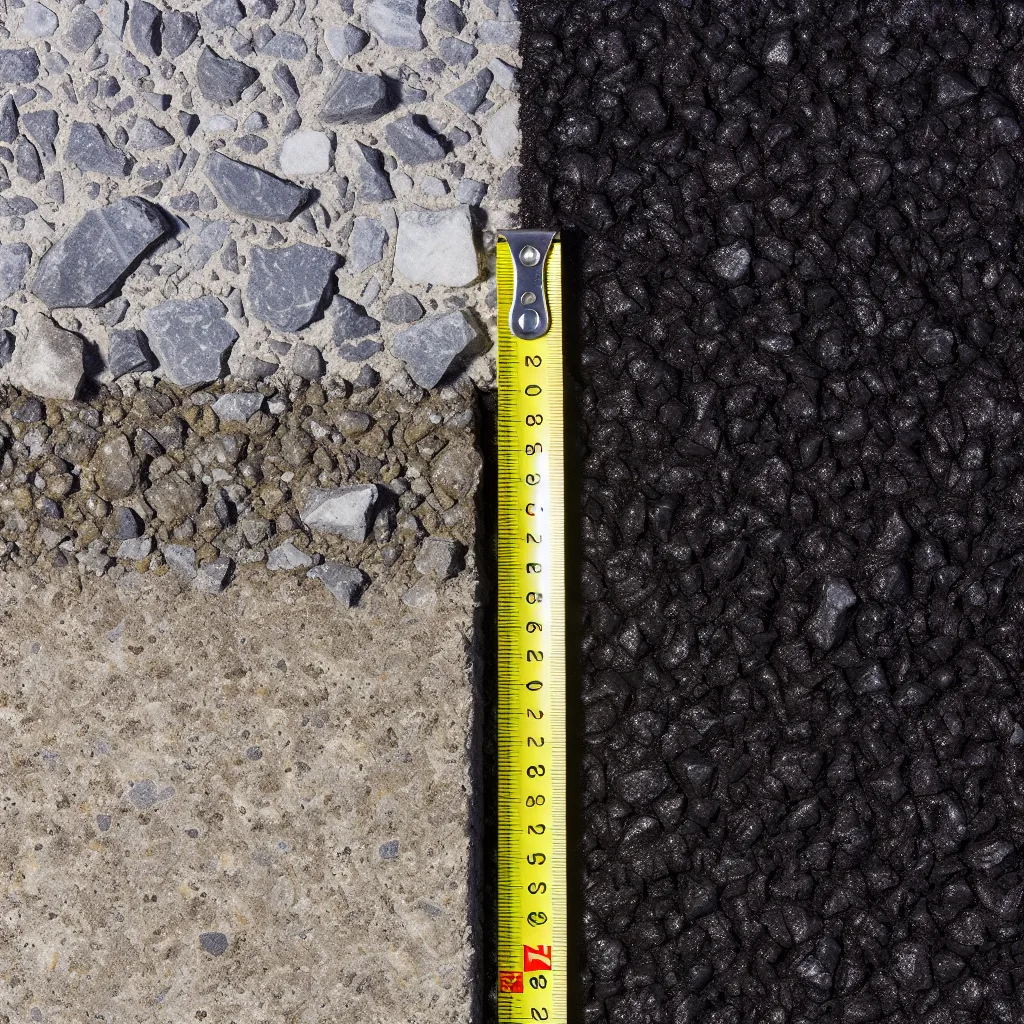
Size is the obvious one. A short, single-car driveway costs far less than a long, double-wide setup stretching from the street to a detached garage. But here's what catches people off guard: shape matters just as much as square footage. Curves, angles, and turnaround areas all add labor time and material waste. A straight rectangle is the most budget-friendly layout you can choose.
Then there's the base layer. Your driveway sits on top of compacted gravel and soil. If that base has shifted, eroded, or was never done right in the first place, it needs to be rebuilt before any new surface goes down. We run into this a lot in Spokane Valley, especially in neighborhoods near the Spokane River where soil conditions can vary from one block to the next. Soft or sandy subgrade means more excavation, more gravel, and more compaction work.
Drainage is another big one. Does water pool on your current driveway? That's a sign the grading is off. Fixing drainage during a replacement adds cost, but ignoring it guarantees your new driveway won't last. Proper slope and channel work protect your investment for years.
Access to the work area plays a role too. Can equipment get in easily? Or is your driveway tucked behind a fence, up a steep grade, or squeezed between landscaping? Tight access means smaller equipment, more hand labor, and longer project timelines. All of that shows up in the estimate.
So what about demolition? Tearing out the old surface isn't free. A thin layer of cracked is quick to remove. Six inches of reinforced concrete with rebar? That's a different story entirely. The thickness, material type, and condition of your existing driveway directly affect removal costs. According to the National Association of Home Builders, site preparation and demolition can account for a significant portion of any exterior concrete project's total budget.
Climate matters here. Spokane Valley's freeze-thaw cycles put serious stress on driveways every winter. That means contractors need to account for proper depth, reinforcement, and joint spacing to handle temperature swings. Cutting corners on any of these leads to early cracking. A driveway built for a mild climate won't survive long here.
Permits and local code requirements can add to the total too. Depending on your project scope and location, you may need a permit from Spokane Valley's building department. Replacing a driveway in the same footprint is usually straightforward. But widening it, changing the apron where it meets the street, or altering drainage patterns could trigger additional requirements.
One factor people almost never consider? Timing. Contractors in our area stay busiest through summer and into early fall. Scheduling during peak season can mean higher labor rates and longer wait times. Planning your project for early spring or late fall sometimes works in your favor.
And don't forget utilities. Gas lines, water mains, or irrigation systems running under or near your driveway need to be located and protected. Hitting a utility line doesn't just cause damage. It stops the entire project.
Every driveway replacement is different because every property is different. The best way to understand what's driving your specific cost is to have a contractor evaluate your site in person. If you're starting to think through a driveway replacement, getting that on-site assessment early saves you from surprises later.
Concrete vs. : What Makes Sense for Spokane Valley Homes
Your driveway material changes everything about the replacement process. The timeline, the prep work, the way it holds up through winter. And here in Spokane Valley, our freeze-thaw cycles put both materials to the test every single year.
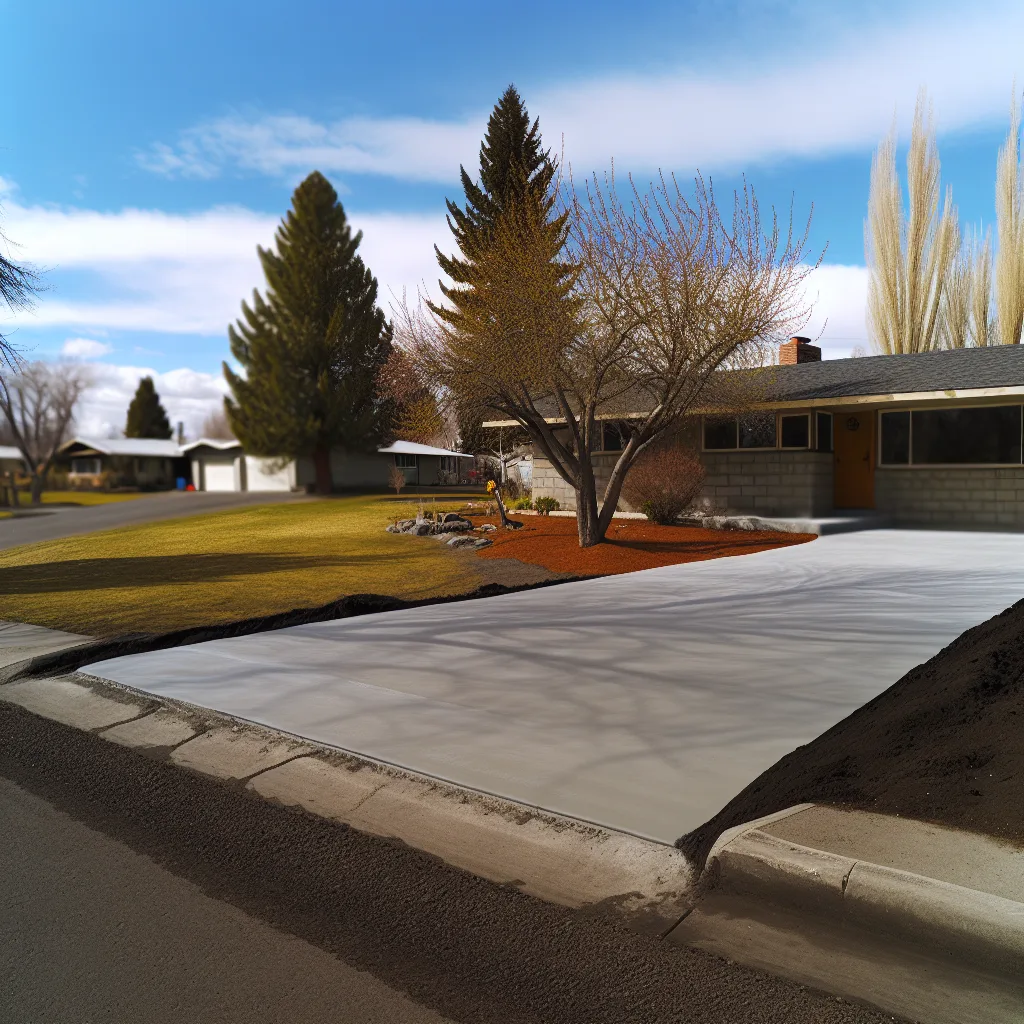
Let's break down what actually matters when you're choosing between concrete and for your replacement.
Concrete is the heavier, more rigid option. It handles weight well and doesn't soften in summer heat. But it's sensitive to ground movement. When Spokane Valley soil shifts during spring thaw, concrete can crack if the base wasn't prepared right. We see this all the time on older driveways near the Dishman-Mica corridor where the soil composition changes block to block. A proper subgrade is non-negotiable with concrete.
is more flexible. It gives a little when the ground moves, which can be an advantage in our climate. But that flexibility comes with trade-offs. needs sealing every few years to stay in good shape. Skip that maintenance and you'll watch it deteriorate fast, especially along edges where water pools during snowmelt season.
So which one actually lasts longer? It depends on how you maintain it. A well-installed concrete driveway can serve you for decades. has a shorter overall lifespan but can be resurfaced without a full tearout, which changes the math on long-term upkeep. Most people don't realize this until they're already deep into planning a replacement.
Here's something worth thinking about. How long do you plan to stay in your home? If you're in a neighborhood like Greenacres or near the Centennial Trail and you're putting down roots, the longer-lasting material might make more sense. If you're looking at a five-to-seven-year window before selling, the calculation shifts.
Installation timing matters too. Concrete can be poured in a wider range of temperatures, but it needs time to cure properly. requires warmer conditions for installation. Our Spokane Valley paving season typically runs from late spring through early fall, so trying to rush an job in October is asking for trouble.
One thing we tell every homeowner: don't pick a material based on what your neighbor chose. Their soil conditions, their drainage situation, their driveway slope could all be completely different from yours. A driveway on a flat lot near Sullivan Road faces different challenges than one on a sloped property closer to the South Hill border.
Both materials require proper drainage planning. Standing water is the enemy of any driveway surface. But the way water damages concrete versus is different. Water seeps into concrete cracks, freezes, and expands them. With, water breaks down the binder material from the surface, creating potholes over time.
The removal process differs too. Concrete tearout is louder, slower, and produces heavier debris. comes up faster and can sometimes be recycled on site. That removal phase affects your project timeline and the disruption to your daily routine.
Want help figuring out which material fits your specific property? Our driveway replacement page walks through the full process and can help you take the next step toward getting a professional assessment.
The bottom line is simple. Both materials work in Spokane Valley. But "works" and "works well for your property" aren't the same thing. The right choice comes down to your soil, your slope, your maintenance habits, and how long you need that driveway to perform.
Frequently Asked Questions
How does Spokane Valley's climate affect driveway replacement costs?
Spokane Valley's freeze-thaw cycles directly raise the cost of a proper driveway replacement. When water gets into cracks and freezes, it expands and breaks up the surface fast. That means contractors here need to build a stronger base layer than warmer climates require. Skipping proper base prep saves money upfront but costs you more in repairs within a few winters. Budget for it now and your driveway will last much longer.
What is a common mistake homeowners make when budgeting for driveway replacement?
The most common mistake is underestimating square footage. Most homeowners guess low, and that gap can shift the whole project into a higher cost range. One homeowner near Sprague Avenue thought their driveway was around 400 square feet — it was closer to 650. Always get it measured before you budget. Also, don't forget to include demolition, hauling, base prep, and permits. Those extras add up fast and catch a lot of people off guard.
Does driveway shape affect the total replacement cost?
Yes, shape matters just as much as square footage when pricing a driveway replacement. Curves, angles, and turnaround areas add labor time and create more material waste. A straight rectangular driveway is the most budget-friendly layout. If your driveway has a curved apron or a wide turnaround area — common in some neighborhoods along the Sullivan Road corridor — expect the labor portion of your estimate to be higher than a simple straight run.
Does the soil in Spokane Valley affect how much a driveway replacement costs?
Yes, soil conditions in Spokane Valley can add real cost to your project. Areas near Dishman and Greenacres often have rocky subgrade that takes more time to excavate. Neighborhoods near the Spokane River can have soft or sandy soil that needs extra gravel and compaction work. Your contractor should assess the ground before giving you a final number. Generic online estimates won't account for what's under your specific driveway.
When should I call a professional instead of replacing my driveway myself?
You should call a professional any time your project involves concrete, drainage changes, or a large surface area. DIY concrete pours often skip proper base preparation, which leads to cracking after just a few winters here in Spokane Valley. If your driveway has drainage problems, poor grading, or a thick reinforced slab that needs removal, professional equipment and experience make a big difference.
Do I need a permit to replace my driveway in Spokane Valley?
Permits may be required in Spokane Valley depending on the scope of your project and whether drainage changes are involved. It is not always a large expense, but skipping it can lead to fines or complications when you sell your home. Always check with your local building department before work starts. A reputable contractor will know what is required for your specific project and can help you handle the paperwork before the first shovel hits the ground.
Ready to Experience the Concrete Revival Difference?
Complete Service Area Coverage
- Spokane and Spokane Valley
- Coeur d'Alene metro area
- Deer Park and Newport
- Liberty Lake and Otis Orchards
- Cheney and Medical Lake
- Post Falls and Rathdrum