
7 Driveway Mistakes Spokane Homeowners Make in Winter
Mistake #1: Skipping Driveway Sealing Before the First Freeze
This is the one we see more than anything else. A homeowner pours a new driveway or gets concrete crack repair done in the summer, then just lets it sit. No sealer. No protection. November rolls in with that first hard freeze along the Sullivan Road corridor, and the damage starts before anyone notices.
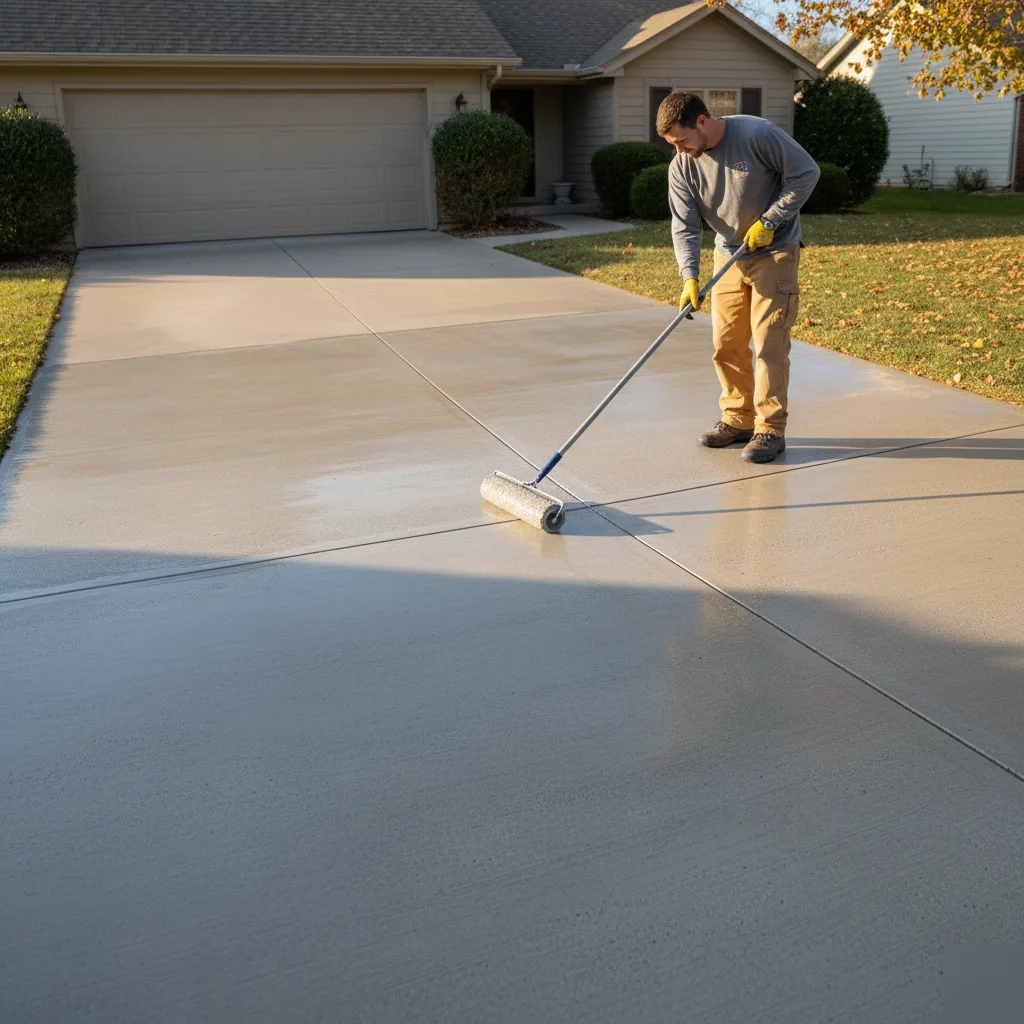
Concrete is porous. That's not a flaw, it's just how the material works. Water soaks into those tiny pores every time it rains or snow melts off your car in the garage. Once temperatures drop below 32 degrees, that trapped water expands. The Portland Cement Association notes water expands roughly 9 percent when it freezes. That's enough force to crack concrete from the inside out.
Spokane Valley gets hit hard by this. We're not talking about one freeze and done. We're talking about dozens of freeze-thaw cycles every single winter. The temperature swings here are brutal. It might be 40 degrees at noon and 18 degrees by midnight. Each swing pushes water deeper into unprotected concrete, then forces it to expand again.
What Sealing Actually Does
A proper concrete sealing product fills those surface pores. It creates a barrier that keeps moisture out. Your driveway is a sponge without sealer, a shield with it. The difference after one Spokane winter is obvious.
Sealed driveways resist surface spalling. That's the flaking and pitting you see on older concrete all over town. Unsealed driveways start showing damage in year one. We've worked on homes in Spokane Valley where the driveway was only two years old but looked ten years neglected, all because nobody sealed it before that first winter.
When to Seal and How Often
Timing matters more than most people think. You want to seal your driveway in late summer or early fall. The concrete needs to be dry and the temperature needs to stay above 50 degrees for at least 24 hours after application. Here's the basic process:
- Clean the surface thoroughly. Remove oil stains, dirt, and debris.
- Repair any existing cracks with concrete crack repair before sealing.
- Apply sealer evenly across the entire driveway surface.
- Allow full cure time before driving on it or exposing it to moisture.
- Plan to reseal every two to three years depending on traffic and wear.
Most homeowners skip step two. They seal right over cracked concrete and wonder why problems come back. Cracks let water bypass the sealer entirely. Fix them first, then seal. That's the order that works.
But here's what really gets people. They assume sealing is a one-time thing. It's not. Spokane's winters eat through sealer over time. After 20 years doing driveway repair and restoration in this area, we can tell you that the homeowners who reseal on schedule almost never need major concrete driveway repair. The ones who skip it end up calling us for full driveway resurfacing.
If your driveway hasn't been sealed heading into this winter, you're already behind. A professional concrete contractor can evaluate your surface and tell you exactly what it needs before the cold sets in. Don't wait for spalling to show up. By then the damage is done, the repair bill is bigger.
Mistake #2: Using Rock Salt on Concrete Driveways
Rock salt is everywhere. And it's one of the fastest ways to destroy a concrete driveway in Spokane Valley.
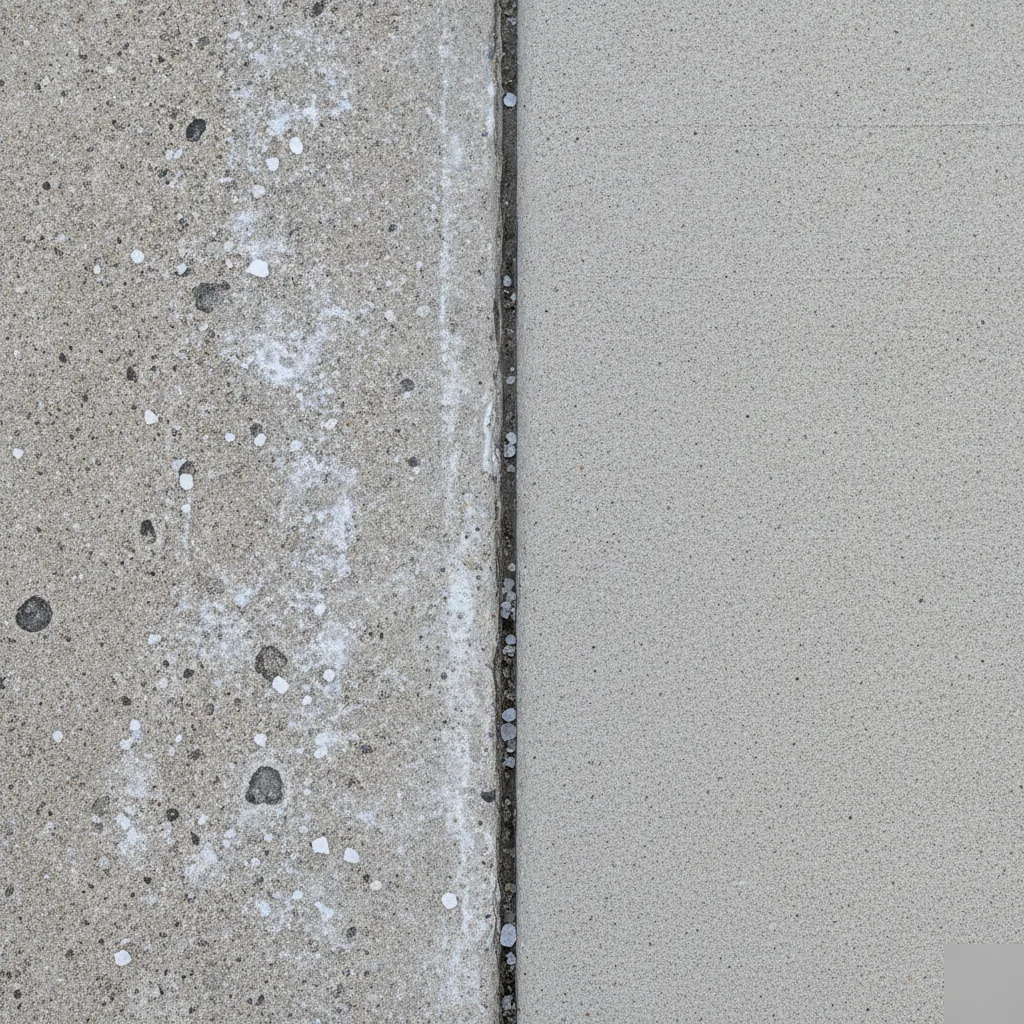
We see the damage every spring. Homeowners dump bag after bag of sodium chloride on their driveways from November through March, the ice melts, everything looks fine. Then April hits. Suddenly there's pitting, flaking, and surface spalling across the whole slab. That's not bad luck. That's a chemical reaction eating your concrete from the inside out.
What Rock Salt Actually Does to Concrete
Here's the short version. Salt lowers the freezing point of water. That sounds helpful until you realize what happens next. The melted water seeps into tiny pores in your concrete. Temperatures drop again overnight. That water refreezes and expands. The Portland Cement Association notes water expands roughly 9 percent when it freezes. Salt forces this freeze-thaw cycle to happen more often than it would naturally.
Instead of one freeze and one thaw per day, you might get three or four. Each cycle pushes the concrete apart a little more. The surface starts to pop and flake. We call it spalling. You'll call it ugly.
And it gets worse. Salt pulls extra moisture toward the surface of the slab. So you're not just increasing the number of freeze-thaw cycles, you're also increasing the amount of water doing the damage. It's a double hit your driveway can't win.
Better Options for Ice Control
You don't have to white-knuckle it across a sheet of ice every morning. There are safer choices that won't lead to concrete crack repair come spring.
- Sand or kitty litter: These add traction without any chemical reaction. They won't melt ice, but they keep you upright.
- Calcium magnesium acetate (CMA): It's gentler on concrete and works at lower temps than rock salt.
- Magnesium chloride: Less damaging than sodium chloride, it works down to about 0°F. Still use it sparingly.
- Heated mats or cables: A bigger investment upfront, but zero chemical contact with your slab.
Whatever you choose, less is more. A light application goes a long way. Piling on product doesn't melt ice faster, it just saturates your concrete with more moisture. For a broader look at how winter weather creates hazards around your home, OSHA's guide to winter weather hazards and precautions is a helpful resource that covers ice, cold surfaces, and safe practices.
The Spokane Valley Factor
Our winters along the Sullivan Road corridor and throughout Spokane Valley aren't mild. We regularly swing from the low 20s to above freezing in a single day. That means natural freeze-thaw cycles are already hammering your driveway dozens of times each season. Adding rock salt on top of that is like pouring gasoline on a slow fire.
We've pulled up driveways along Sprague Avenue that were only eight years old but looked twenty-five. The homeowners thought they were taking care of things by keeping the ice off. But the salt did more harm than the ice ever would have.
If your driveway already shows signs of spalling or surface damage from salt use, professional driveway repair services can restore the surface before the damage goes deeper. Catching it early saves you from a full replacement. But the real fix is stopping the salt habit now, before another Spokane winter makes things worse.
Bottom line: shovel early, shovel often, and keep the rock salt in the store.
Mistake #3: Letting Snow Sit and Pack Into Ice
Fresh snow looks harmless on a driveway. It's light, fluffy, easy to ignore. But every hour it sits there, it gets heavier. Foot traffic packs it down. Car tires compress it into a dense layer. And once that layer bonds to your concrete surface, you've got a real problem.
Packed snow turns into ice. Not the kind you chip off easily, the kind that fuses to your concrete like it belongs there.
We see this every winter along the Sullivan Road corridor and throughout Spokane Valley. A homeowner figures they'll clear the driveway "later." Later becomes tomorrow. Tomorrow becomes next week. By then, that snow has gone through a melt-and-refreeze cycle, it's now a solid ice sheet sitting right on top of the slab.
Why Packed Ice Destroys Concrete
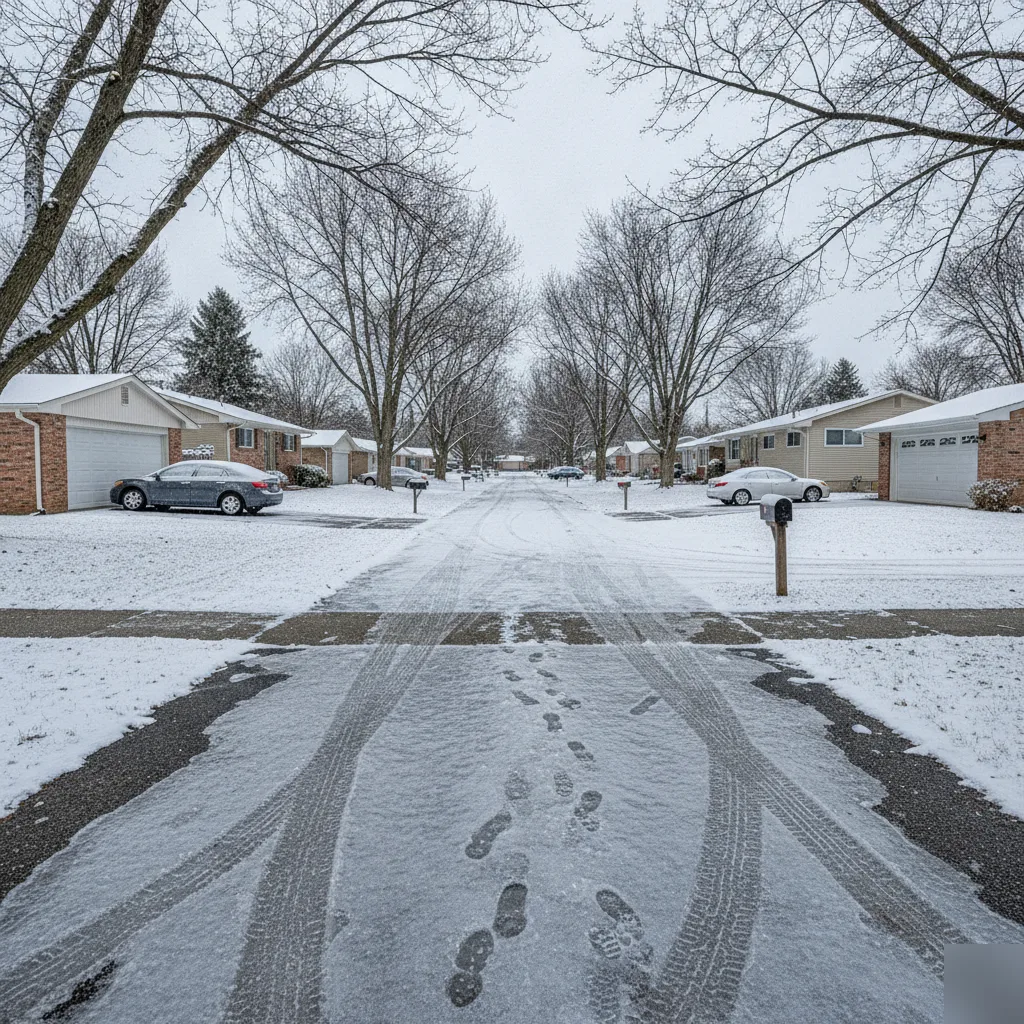
Here's what most people don't realize. Concrete is porous. It absorbs moisture. When ice sits on your driveway for days or weeks, water slowly works its way into the surface. Then nighttime temperatures drop below freezing. That water expands inside the concrete. The Portland Cement Association notes water expands roughly 9 percent when it freezes. That expansion creates tiny fractures you can't even see yet.
Those tiny fractures grow. One winter of packed ice can cause surface spalling, pitting, and cracks that need professional concrete crack repair by spring. Two winters of the same habit? Now you're looking at concrete driveway repair or full driveway resurfacing.
The Right Way to Handle Snow on Your Driveway
You don't need to be out there with a shovel every 20 minutes. But you do need a basic plan. Here's what works:
- Clear snow within 12 hours of it falling, before foot and vehicle traffic pack it down.
- Shovel or blow snow off the entire surface. Don't just clear tire paths.
- Apply a concrete-safe deicer to prevent refreeze on the cleared slab.
- Push snow away from the driveway edges so meltwater doesn't pool and seep back under the slab.
- After big storms, do a second pass once temperatures rise above freezing.
That fifth step matters more than people think. Spokane Valley can swing from 15 degrees at night to 38 degrees by afternoon. That partial thaw loosens snow you missed. A quick second clearing prevents it from refreezing into another ice layer.
And if ice has already bonded to your driveway? Don't grab a metal scraper or pickaxe. That's a way to gouge the surface and create new entry points for moisture. Use calcium chloride pellets to melt it gradually. Give them time to work.
Keep your concrete dry and clear as often as you can during winter months. Every day that packed ice sits on your slab, it's doing damage you won't notice until the snow melts in March.
If your driveway already shows signs of pitting or flaking from past winters, a professional concrete contractor can assess whether you need concrete crack repair or a more involved fix. Don't wait for small damage to become big damage. Our driveway repair and restoration page breaks down what's possible based on the condition of your slab.
Frequently Asked Questions
How does Spokane Valley's climate make driveway damage worse than other areas?
Spokane Valley's freeze-thaw cycles are more frequent and extreme than many other regions. Temperatures can swing from the low 20s to above freezing in a single day. That means your driveway gets hit with dozens of freeze-thaw cycles every winter, not just a few. Each cycle forces water to expand inside your concrete. Over a full season, that repeated stress cracks and weakens even newer driveways faster than homeowners expect.
Is rock salt safe to use on a concrete driveway?
No, rock salt is not safe for concrete driveways. It increases the number of freeze-thaw cycles your slab goes through each day. It also pulls extra moisture into the concrete surface. Together, those two effects speed up spalling and cracking. Safer options include sand, kitty litter for traction, or calcium magnesium acetate. If you want to protect your driveway long-term, avoiding rock salt is one of the most important steps you can take.
Can a driveway that's only a few years old really need repairs already?
Yes, and it happens more than people expect in Spokane Valley. A newer driveway without sealer can show serious surface damage within one or two winters. The age of the concrete matters less than how well it was protected. Unsealed driveways absorb moisture right away. After just one hard winter with repeated freeze-thaw cycles, the surface can look years older than it actually is. Early protection is what keeps newer driveways looking and performing well.
What is concrete spalling, and should Spokane Valley homeowners be worried about it?
Concrete spalling is the flaking and pitting you see on the surface of older driveways. It happens when water gets into tiny pores, freezes, and pushes the surface apart from the inside. Spokane Valley homeowners should watch for it because our winters create the exact conditions that cause it. Early spalling looks minor but gets worse fast. Catching it early means a smaller repair. Waiting usually means a much bigger fix.
When is the right time to seal a driveway in Spokane Valley?
Late summer or early fall is the best time to seal a driveway here. You need dry concrete and temperatures above 50 degrees for at least 24 hours after application. Sealing too late in the season means the product won't cure properly before the first freeze. Most homeowners also skip repairing cracks before sealing, which lets water bypass the sealer entirely. Fix cracks first, then seal. Plan to reseal every two to three years.
What's the difference between sealing a driveway and resurfacing it, and which one do I need?
Sealing adds a protective barrier over intact concrete to block moisture. Resurfacing means applying a new layer over damaged concrete to restore the surface. If your driveway is still structurally sound with minor surface wear, sealing is the right step. If you're seeing widespread spalling, deep pitting, or large cracks, resurfacing may be needed. For a full breakdown of repair and restoration options, the parent page on concrete driveway repair covers what each service involves and when each one applies.
Ready to Experience the Concrete Revival Difference?
Complete Service Area Coverage
- Spokane and Spokane Valley
- Coeur d'Alene metro area
- Deer Park and Newport
- Liberty Lake and Otis Orchards
- Cheney and Medical Lake
- Post Falls and Rathdrum